
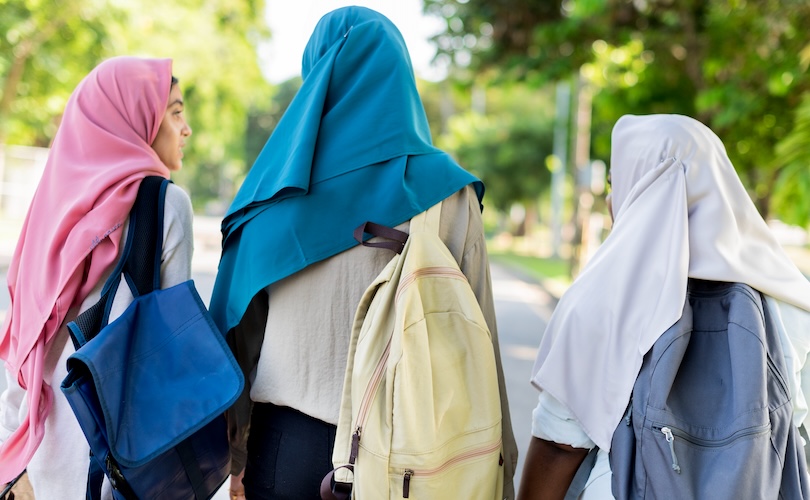
A Catholic school in Australia posted a photo showing students wearing Islamic head coverings during an Interfaith Reflection Day that also included visits to Hindu temples. The image and the itinerary have sparked discussion about how religious schools approach exposure to other faiths, what such programs aim to teach, and how communities react when traditions and symbols are shared in public school settings.
The school organized an Interfaith Reflection Day that took students to a mosque where they were pictured wearing Islamic head scarves, and the program also involved trips to Hindu temples. The event was framed as an educational visit meant to introduce pupils to different religious practices and places of worship. Sharing images of students in religious dress brought attention to how schools visually represent their engagement with other faith communities.
Supporters of cross-faith learning say experiences like these can build awareness and reduce fear of the unfamiliar among young people. When students see peers in another place of worship and learn the context behind items like head coverings, the hope is that curiosity replaces misunderstanding. Proponents argue that guided visits create a safe space for questions and respectful dialogue without asking students to change their own beliefs.
Critics, however, worry that handing out or asking students to wear religious garments during a school activity can blur lines between learning about a faith and participating in its outward expressions. Some parents and observers believe schools should limit symbolic involvement to avoid implying endorsement or adopting practices from another tradition. These concerns tend to focus on maintaining clear boundaries so a student’s primary religious identity and the school’s religious character remain intact.
The image of schoolgirls wearing head scarves is a striking example of how visual moments can shape public reaction more strongly than written explanations. Photographs simplify nuance; a single frame can be read as participation rather than as an educational tool. That visual shorthand is why some argue schools must be extra careful when documenting interfaith experiences and should provide clear context whenever images are shared.
From an educational standpoint, visits to places of worship can be structured to highlight cultural literacy, history, and community roles without pressing students into ritual practice. Teachers can prepare pupils with background information, establish respectful behavior expectations, and follow up with reflective conversations about what was seen and learned. Thoughtful framing helps make sure that the point of such visits is understanding rather than performance.
Local communities react differently depending on regional norms, religious demographics, and recent incidents that shape public sensitivity to faith-related topics. In Australia’s multicultural context, many schools already incorporate modules on world religions to reflect the country’s diverse makeup. Yet even in plural societies, the optics of children wearing religious symbols can ignite debate about parental rights, school policies, and cultural respect.
Practical questions arise about consent and communication: were parents fully informed beforehand, were students comfortable with the clothing choices, and did the school explain why certain items were provided? Clear communication before and after the event tends to ease tensions, since transparency shows that the activity was planned with educational intent and not casual appropriation. Schools that handle these steps carefully can reduce misunderstandings and keep the focus on learning.
At the end of the day, Interfaith Reflection Days aim to expose young people to different beliefs in a controlled, educational setting, and the way those programs are presented matters as much as the visits themselves. Sharing visuals without context risks overshadowing the pedagogical goals, while thoughtful planning and dialogue can turn a single photo into an opportunity for wider understanding and respectful curiosity.

2 Comments
NO just plain wrong unless parents OK
1 Corinthians 10:19-21…“19Am I suggesting, then, that food sacrificed to an idol is anything, or that an idol is anything? 20No, but the sacrifices of pagans are offered to demons, not to God. And I do not want you to be participants with demons. 21You cannot drink the cup of the Lord and the cup of demons too; you cannot partake in the table of the Lord and the table of demons too.”
So I say why tempt the Devil and be involved with murky waters where much is hidden from the young participants? I see it all as too risky and really foolish to allow this playing around or messing where they shouldn’t happen in the first place! Leave the interfaith venue to be handled by top notch Theologians or Bishops and Priests who are so much more aware and cognizant of any dangers hidden from plain sight, and that can be a better way of inviting those pagan worshipers and building bridges to consider coming to Jesus Christ, the only “One and True God Almighty the Creator of the Heavens and the Earth!”