
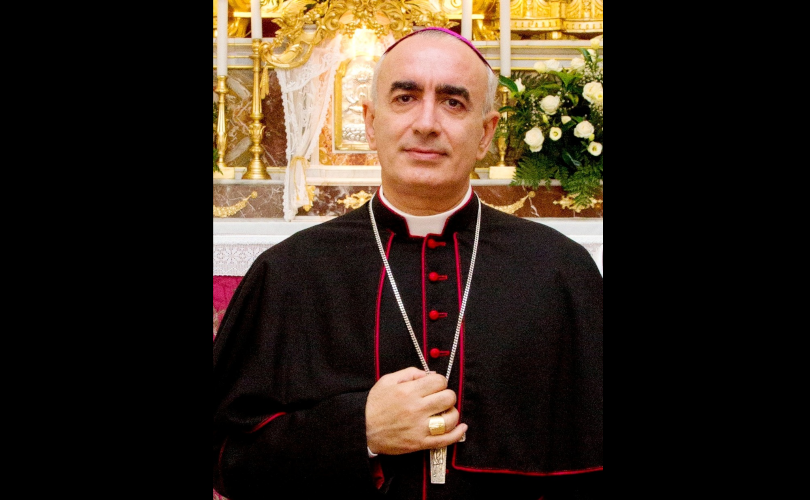
The Vatican comment stirred a wave of conversation when the president of the Pontifical Academy of Theology suggested that John Lennon’s famous song belongs in the company of beautiful, challenging cultural expressions, and argued that Jesus sided with Lennon in opposing a God for whom one ‘must kill or die.’ This piece unpacks that claim, the context behind it, and why a comparison between a pop anthem and Christian teaching grabs headlines and parish notice boards alike.
At the center is a curious pairing: a senior Catholic theologian and a 20th century pop songwriter. The theologian framed the discussion not as a praise of atheism but as an ethical touchstone, pointing to an instinct against sacrificial violence in both Jesus’ message and the song’s impulse. That framing reframes the song from mere cultural artifact to a provocation for moral conversation inside the church.
John Lennon’s song has long been called an atheist anthem, and its simple, imagistic lines pushed listeners to imagine a different moral order. The Vatican comment did not endorse every philosophical claim in the lyrics, yet it coaxed the church to listen when culture raises questions about power, suffering, and who counts as belonging to the human family. Placing the tune into theological debate forces a look at how faith communities respond to peaceful critiques of divine violence.
Christian reflection on violence and God is not a new conversation. Scripture and history contain instances where faith is tied to force and moments where Jesus counseled mercy, turning the other cheek and calling followers to love enemies. The theologian’s point leaned on that Gospel insistence, arguing that Jesus’ pattern pushes believers away from any theology that requires literal killing or dying in God’s name, hence the phrase ‘must kill or die.’
Reactions were predictably mixed. Some Catholics welcomed a leader willing to speak plainly about nonviolence and to use an unexpected cultural reference to reach people outside the pews. Others worried that equating a secular anthem with the Gospel risks flattening deep doctrinal differences and confusing pastoral priorities. Both responses show how keenly people guard the boundary between sacred teachings and popular culture.
Beyond headlines, the exchange matters because it opens a pastoral conversation about how the church engages modern moral instincts. If religious leaders can concede common ground where it exists, they might also sharpen the distinctives of faith in response. That is, acknowledging a shared rejection of violence does not erase theological differences but can make room for clearer witness and more persuasive moral argument.
Ultimately, this comparison is less a verdict on a songwriter and more a call to consider how contemporary Christianity argues for peace in a complex world. The theologian’s comment functions as a prod: ask why images of divine violence persist and whether they reflect the God whom Jesus revealed. The point lands as a conversation starter, one that invites both critics and believers to rethink what it means to follow a God who summons people toward life rather than death.
