
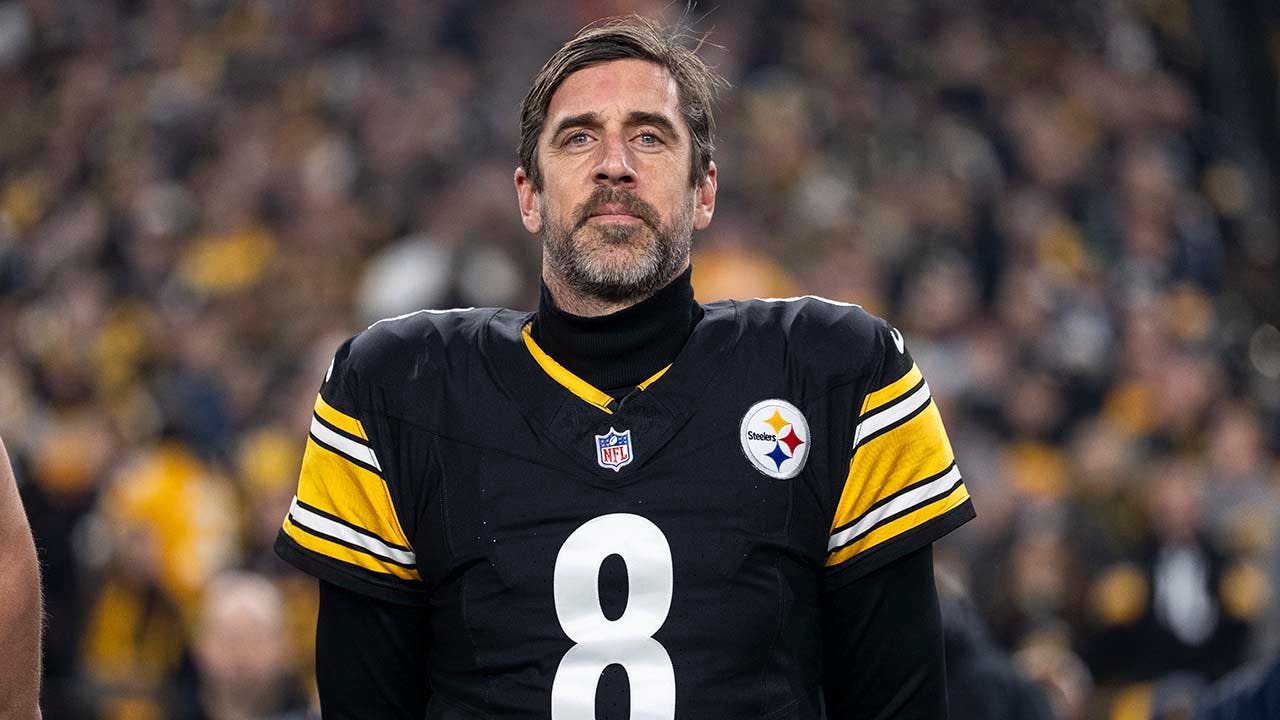
Joe Theismann argued that Mike McCarthy played a central role in Aaron Rodgers’ decision to join the Pittsburgh Steelers, pointing to the long shelf of shared history between coach and quarterback and suggesting the reunion was driven as much by trust as by tactics.
Theismann’s take lands simply: familiarity matters. After more than a decade working together in Green Bay, McCarthy and Rodgers developed a language only they really understood, and that kind of connection can tip the scales when a veteran quarterback is plotting the final chapters of his career.
Coaching relationships are underrated in public conversations about trades and free agency. Fans focus on cap numbers and scheme fits, but players keep repeating one idea: you play for who you trust. That trust can be the difference between signing with a contender or choosing a place where you can control the snap-to-snap flow.
For Rodgers, reputation and relationships have always mattered. His career has been full of headline-making choices, but when it came down to returning to the field with a new team, Theismann suggests the personal bond with McCarthy was decisive. That bond translates into play design, pre-snap adjustments, and the ability to avoid the kind of friction that can derail a season.
From McCarthy’s perspective, bringing in a veteran like Rodgers is both a chance to re-establish an offense and to lean on a quarterback who understands his philosophy. The coach knows how Rodgers processes defenses, which routes work against certain coverages, and how to build a game plan that plays to Rodgers’ strengths. That history is a strategic shortcut, not a guarantee.
Steelers fans will want to know how this will look on the field. Chemistry between coach and quarterback can speed up installation of a complex offense, but it also raises questions about the rest of the roster. A veteran QB can carry a unit for a while, yet meaningful success still depends on pass protection, a reliable receiving corps, and a defense that can hold its own.
Locker-room dynamics will be interesting. Bringing in a high-profile veteran changes the tone of a team. Younger players may be inspired or intimidated depending on how leadership is shared. A coach who can manage personalities while leaning on a star’s insights stands a better chance of turning a short-term splash into sustained momentum.
There are risks in reuniting with a familiar coach. Past success does not auto-translate to a new environment. Systems that worked years ago need updating to match current schemes and personnel, and opponents will have film on both coach and quarterback to exploit. The real test is whether McCarthy and Rodgers can evolve together rather than trying to relive old templates.
Off the field, the narrative itself is valuable. Media cycles love reunions, and attention like that can shift pressure or create expectations depending on how results go early. The immediate buzz might buy time for fine-tuning, but it will also raise the bar quickly, and the duo will face scrutiny from every angle if wins do not come.
Ultimately, Theismann’s point is about the human side of football decisions. Schemes, numbers, and analytics matter, but relationships shape careers. McCarthy’s history with Rodgers gave the Steelers a compelling argument and, whether it proves decisive or not, it explains why such a reunion felt like the most natural next step for a veteran looking to reset his course.
