
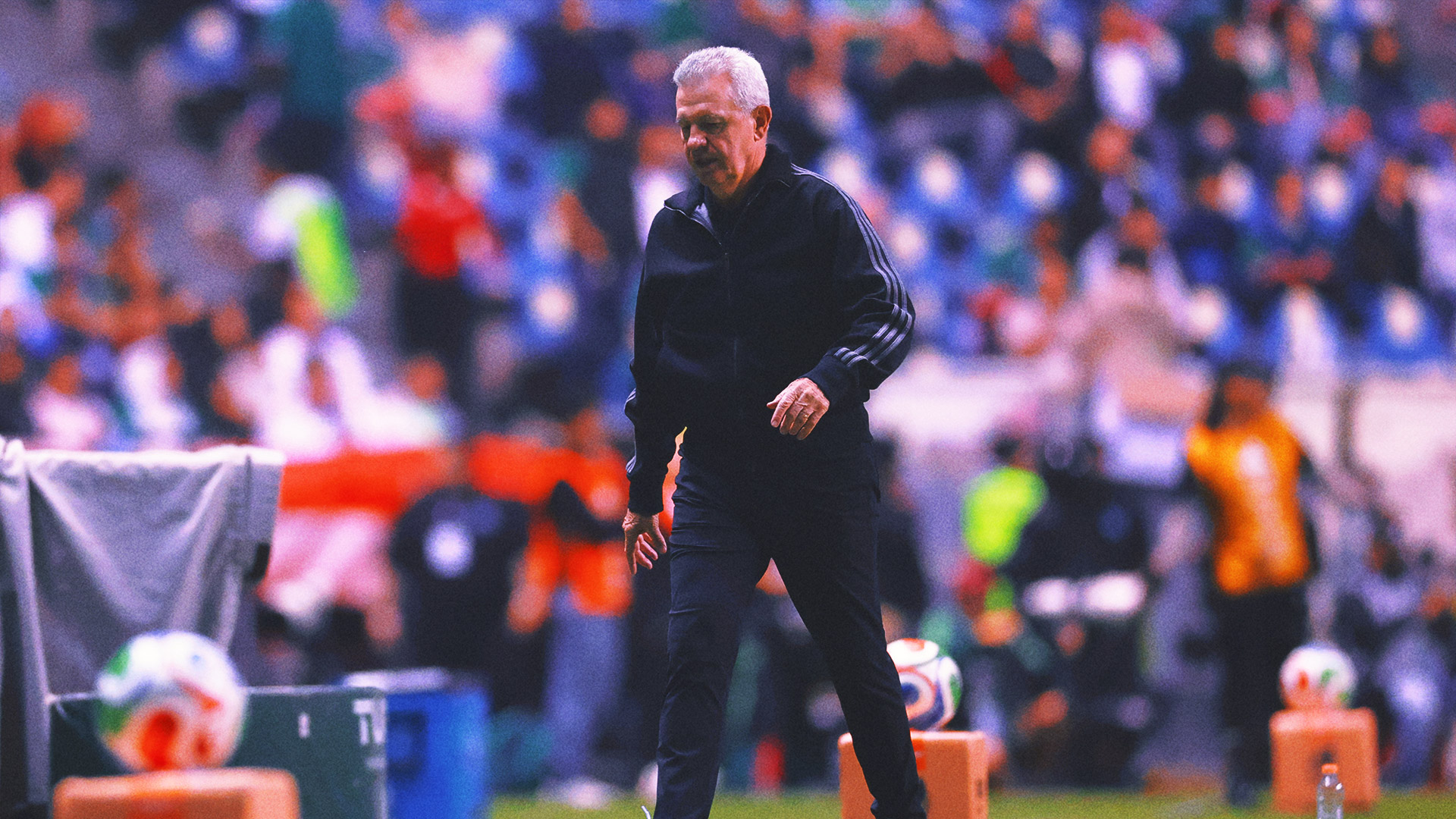
Mexico coach Javier Aguirre is leaning on a tactic that traces back to his own years on the pitch, turning a personal playing philosophy into a fresh plan for the World Cup. This piece walks through how that idea is being translated to a modern national team, the practical pieces behind it, and why it might matter when the tournament begins. Expect a clear look at the approach, how players are adapting, and the realistic upside and limits of leaning on experience over experiment.
Aguirre has always been a coach who trusts instincts honed in real matches, and the strategy he’s revived is less about flash and more about habits that win tight games. It centers on structure and repetition: training scenarios that force players to make the same decisions under pressure until those choices become automatic. That kind of conditioning is old-school in spirit but modern in application, because it focuses on speed of thought as much as physical fitness.
The core idea comes from his playing days where reading the game and minimizing errors mattered more than chasing dazzling moves. He asks players to anticipate patterns rather than react to chaos, which changes how the team defends and attacks. Instead of reinventing the wheel with a new formation every week, Aguirre’s emphasis is on predictable systems that every player knows how to operate within at high speed.
On the training ground that means more small-sided drills and scenario work that replicate the pressure of World Cup moments. Players are put into tight spaces repeatedly, forced to find quick passing lanes and cover one another in a system that rewards discipline. That repetition builds a muscle memory for collective behavior, so when an opponent presses hard the response is coordinated and not improvisational.
Off the field the strategy shapes selection and culture. Aguirre favors players who grasp the tactical demands quickly and can be relied on to follow a plan even when chaos hits. That preference can limit flashy individualists but it builds a team identity that translates into consistency across matches. For a tournament that rewards steadiness, that trade-off can make sense.
There are clear risks: leaning on a past playing philosophy can be predictable, and modern opponents scout patterns relentlessly. Aguirre counters that predictability with slight variations inside a stable framework, using in-game tweaks and smarter substitutions to surprise opponents without abandoning the core system. The balancing act is delicate, but the goal is to give the squad a dependable baseline from which to improvise judiciously.
Ultimately, this is a pragmatic choice for a coach who knows the pressures of big-stage tournaments and trusts lessons learned on the pitch. It’s not a guarantee of success, but it is a coherent plan that values discipline, anticipation, and collective work. If Mexico’s players buy into that shared language on and off the ball, it could turn a nostalgic approach into a competitive edge at the World Cup.
