
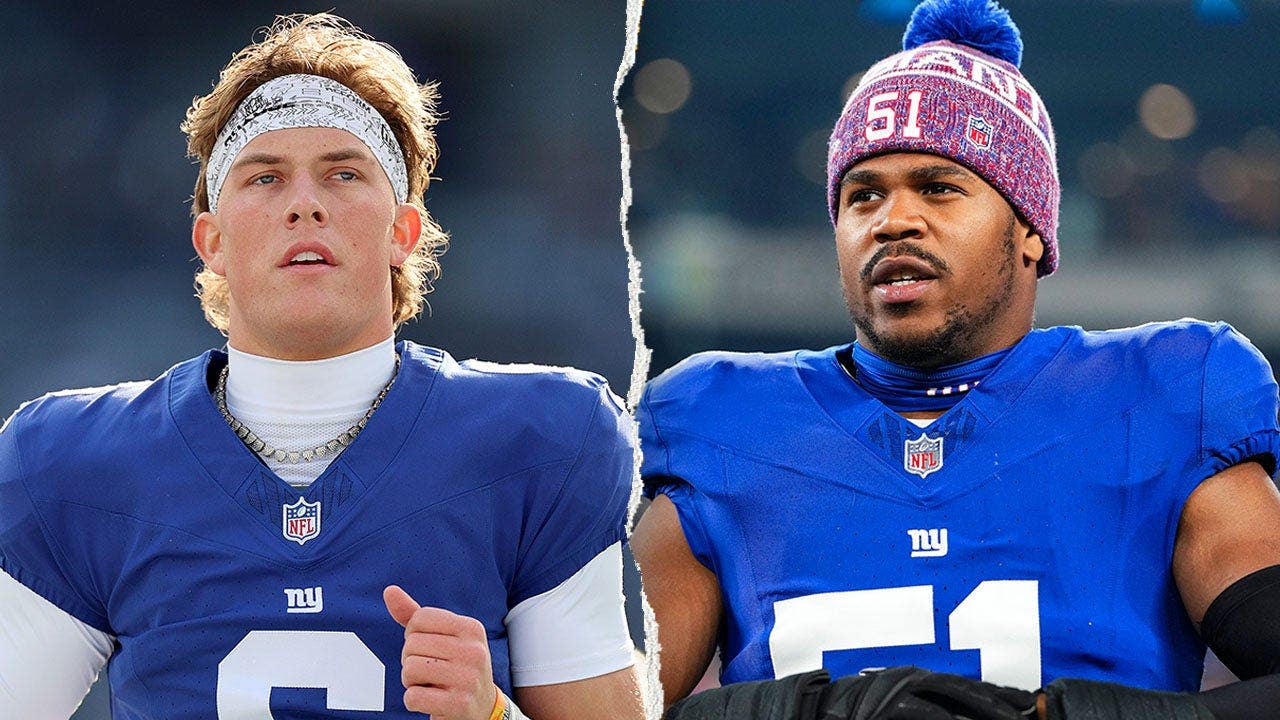
Joe Theismann weighed in on a sparring match involving Jaxson Dart and Abdul Carter and how it might ripple through the New York Giants locker room, arguing that political theater has no place derailing a team’s focus and chemistry.
Joe Theismann talked to Fox News Digital about the impact the Jaxson Dart-Abdul Carter discourse over Trump’ introduction will have on the New York Giants locker room. That line of conversation landed like a splash in a quiet pool, and veteran voices like Theismann’s quickly tried to measure the tremors. Veterans see locker rooms as sacred ground where distractions are liabilities, not badges of courage.
This is not about muzzling players. It is about keeping the locker room functional and united. Players have every right to believe and express themselves, but when public political stunts start shaping who sits next to whom or how teammates interact, coaches and leaders should step in and steer things back to the field.
Sports fans want football, plain and simple, not a running commentary on national politics every two plays. Theismann pointed out the practical angle: attention shifts, film study suffers, and the small margins that decide games get eaten by headlines and hot takes. A robust team culture demands that messy civic debates stay outside the room where trust is built one practice at a time.
From a Republican perspective, it’s fair to say that patriotism and public support for a political figure are often treated like litmus tests—when they should not be. Showing pride in America or in a leadership figure is not inherently disruptive, but weaponizing those shows for scorekeeping between teammates is. The real problem is when political symbolism becomes a tool for division rather than a personal conviction.
Coaches and veteran players can and should cultivate an environment where differing views are tolerated without becoming combustive. Theismann’s voice matters because he understands the rhythms of team life; he also knows how easily locker rooms fray when attention turns inward. If leadership emphasizes professionalism and mutual respect over politics, the team will generally come out stronger.
There’s another practical angle people forget: the fans. Loyal supporters tune in to see their team compete and win. They do not watch to be lectured from the sidelines about national culture wars. Let players speak for themselves off the field if they must; let coaches do their job on it. That separation protects both the institution of the team and the personal freedoms of the players.
Critics will say that staying silent is complicity, and others will argue that every public figure owes the world their views. Those are valid debates for public squares and social media, not necessarily for a locker room that needs to function as a single unit. Theismann’s take echoes a simple truth: winning demands focus, and focus is every bit a conservative value when it means defending institutions like a team that bind communities together.
At the end of the day, the Giants’ leadership should treat this like any other internal friction—address it quickly, prioritize unity, and get the group’s eyes back on their shared mission. That approach respects individual liberties while protecting team cohesion. If politics must be part of the conversation, let it be a private, measured one that doesn’t sabotage the week’s game plan.
