
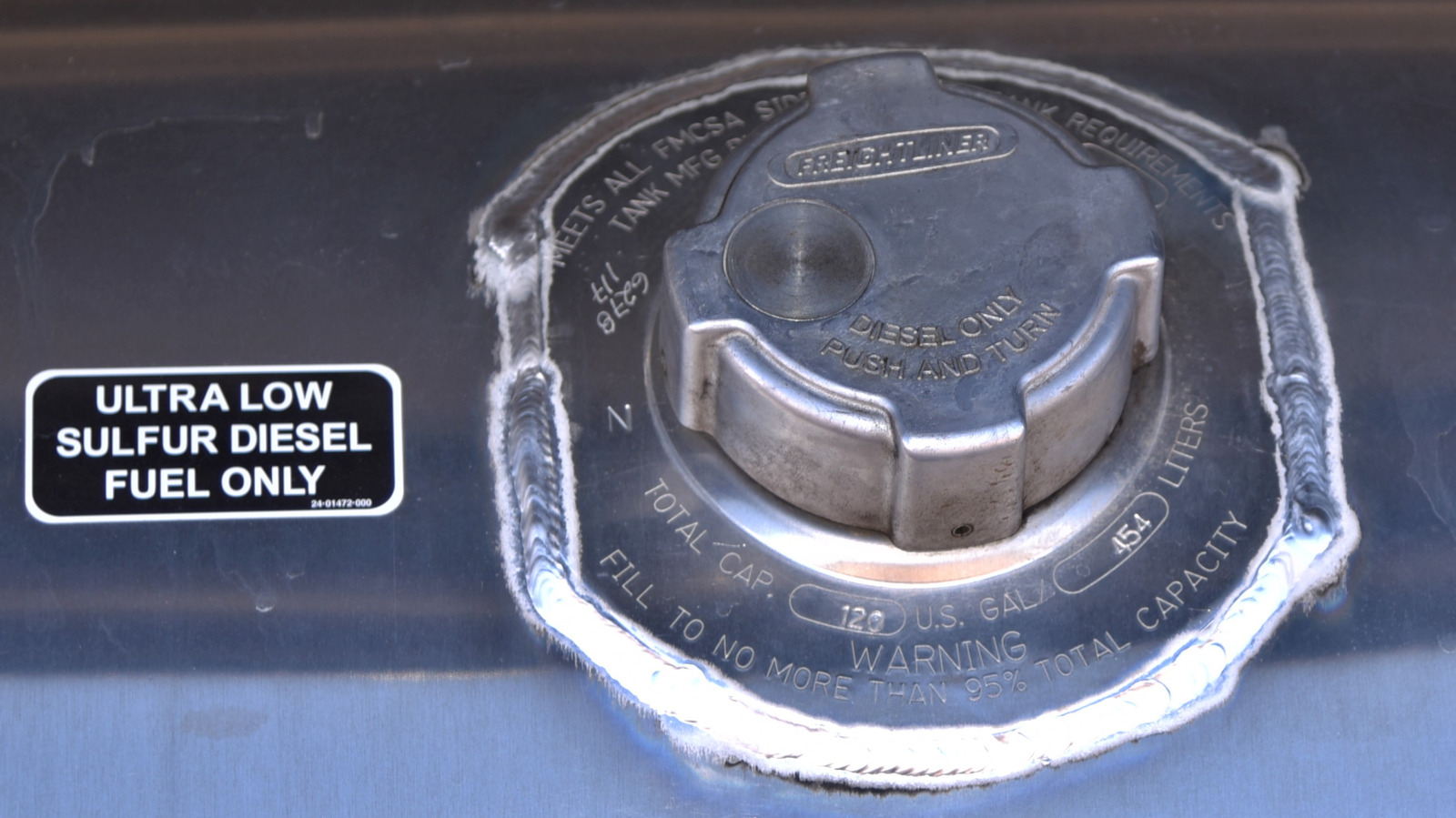
Modern diesel fuels aim to cut emissions, but their cleaner chemistry also changes how engines behave. This piece explains what those changes mean for fuel systems, emissions controls, maintenance routines, and fuel handling so owners and technicians can adapt without surprises.
The biggest shift in modern diesel is lower sulfur levels and different additive packages. Removing sulfur reduces harmful emissions, but it also strips away some natural lubricity, so fuel pumps and injectors see new stress. That lower lubricity is a small change on paper but a big deal for wear-sensitive parts that used to rely on sulfur-era fuel characteristics.
Biodiesel blends and renewable diesels are becoming common, and they bring mixed effects. On the plus side, these fuels can cut carbon intensity and reduce particulates, but they change solvent properties and can mobilize deposits inside tanks and lines. That deposit cleaning can clog filters quickly if maintenance intervals don’t keep pace with the fuel shift.
Emission-control hardware like particulate filters and selective catalytic reduction systems react to cleaner fuel too. DPFs regenerate differently under new combustion profiles, sometimes requiring more frequent active regeneration cycles. SCR systems that use diesel exhaust fluid demand tight DEF management; a missed refill or contamination can trigger limp modes and costly downtime.
Cold-weather performance is another practical headache with modern blends. Some low-sulfur and biodiesel mixes have weaker cold-flow properties, which raises the risk of gelling in winter. Operators need to think about fuel heaters, winterized blends, and careful storage to prevent clogged filters and failed starts when temperatures drop.
Storage stability and microbial growth are often overlooked but matter more than ever. Modern fuels can hold more water or separate under the right conditions, creating a breeding ground for microbes that form sludge and biofilms. Tank cleanliness, periodic fuel polishing, and good water management are simple steps that pay off fast in reliability.
Sensors and electronics also feel the ripple effects of cleaner fuels. Modern engines rely on precise pressure and temperature readings, and any change in fuel properties can alter sensor readings or control strategies. That means diagnostic work sometimes looks different now; technicians need updated baselines and an awareness that older troubleshooting habits may not fit modern fuels.
Additive strategies can help, but they are not a cure-all. Lubricity improvers, stabilizers, and detergents can mitigate many of the negative side effects, yet overreliance on additives masks underlying problems like contamination or aging tanks. A balanced approach that pairs additives with scheduled maintenance and fuel testing gives the best results.
For fleet managers and owners, the practical playbook is simple: monitor fuel quality, tighten filtration schedules, and train crews on DEF and DPF realities. Don’t assume the fuel that worked five years ago will act the same today; plan for different failure modes, invest in better filtration, and schedule inspections after any fuel change. That proactive stance prevents surprises and keeps engines running cleaner and longer.
