
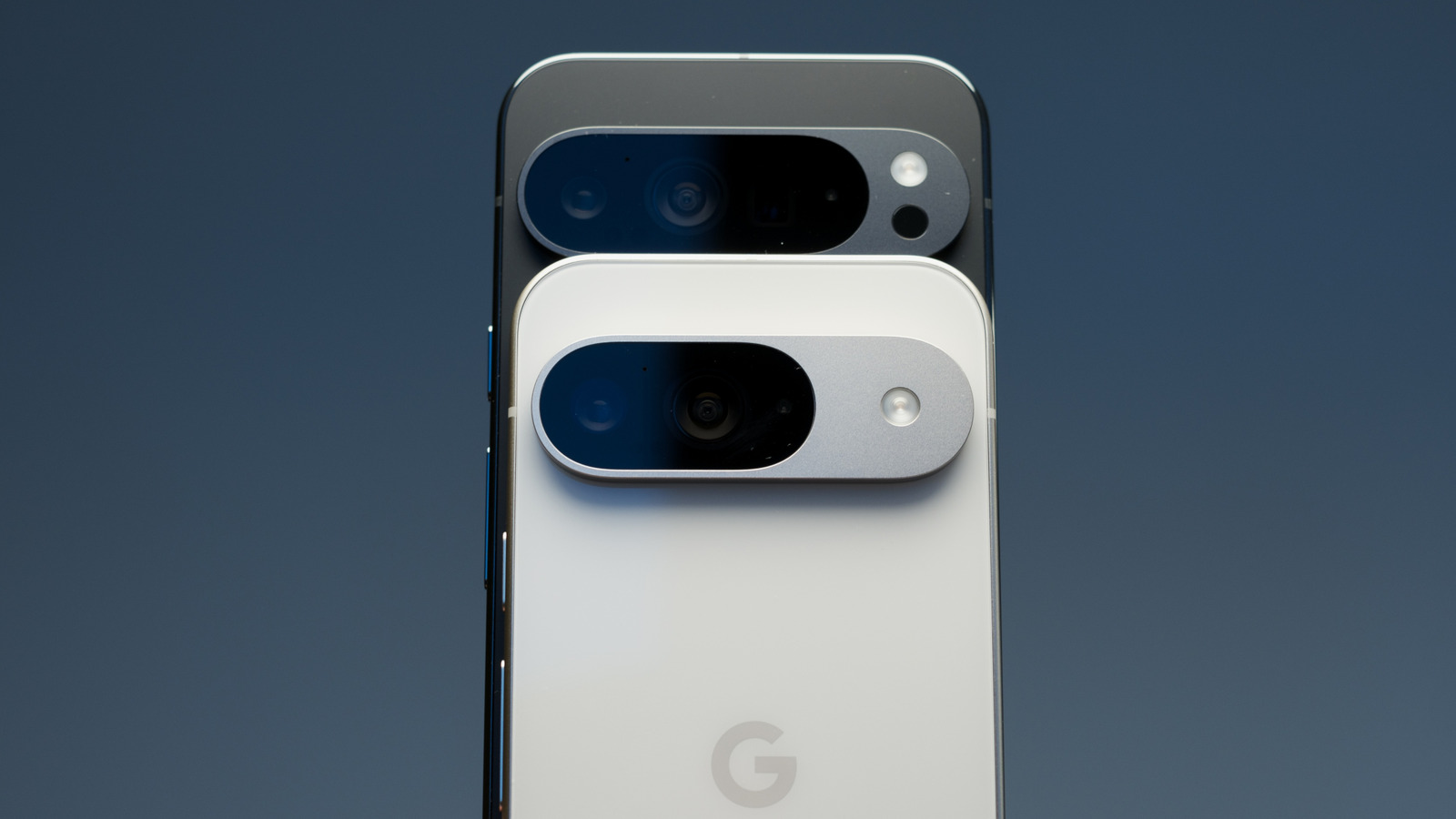
The Pixel 9 proves that chasing the newest phone every year isn’t mandatory; last-generation handsets still deserve attention for their value, performance, and software staying power. This piece explains why skipping the immediate upgrade can be smart, where the Pixel 9 shines compared to its predecessor, what tradeoffs matter, and who should actually buy the latest model right away.
Phone makers push a new flagship each year, and that hype makes it easy to overlook solid options from the prior cycle. The Pixel 9 shows how a refined design and polished software updates let a previous model behave like a fresh contender, especially once the initial price drops and carriers put real deals on the table. People who are pragmatic about value will find last-gen phones often hit the sweet spot between modern features and reasonable cost.
Under the hood, last-generation Pixels tend to carry over the most meaningful bits: flagship processors that were top-tier the year before, cameras with proven quality, and mature power management. The Pixel 9 isn’t some half-finished prototype; it’s the result of a full product year where software and hardware were tuned to work seamlessly. That tuning matters more in daily life than raw spec numbers that only look impressive on paper.
Battery life is a practical area where last-gen phones compete strongly, since many early software kinks have been patched and efficiency improvements rolled out. If the Pixel 9 shipped with decent battery numbers and then received a few optimizations, real-world users often see improvements over time rather than sudden declines. For people who care about all-day uptime, a well-updated older flagship can be less risky than a brand-new model with unproven endurance.
The camera experience on recent Pixels has been about smart software as much as new sensors, and that’s another advantage for prior models. Computational photography updates can lift image quality across multiple generations, so the Pixel 9 benefits from Google’s ongoing improvements without needing fresh hardware every twelve months. That means you can capture excellent photos without paying top dollar for novelty alone.
There are tradeoffs to keep in mind: newer models sometimes bring one standout feature that matters to specific users, like a radical display upgrade or a hardware tweak for gaming and heat control. But for most buyers, those niche gains won’t outweigh the savings gained by choosing last season’s top phone. If you want the absolute newest gimmick, sure, upgrade; if you want reliable everyday performance, patience pays off.
Another big factor is software support. Google has been more transparent about update windows, and choosing a Pixel that already received a year of updates can mean stability and fewer unexpected bugs. Security patches and feature drops often arrive regularly, so a last-gen Pixel that’s supported long-term can deliver a modern experience without the sticker shock. That lifeline makes yesterday’s flagship feel current for much longer than you might expect.
Buying choices boil down to priorities: are you chasing marginal gains and bragging rights, or are you after solid day-to-day performance, camera quality, and a reasonable price? For pragmatic buyers, the Pixel 9 and its contemporaries prove last-gen models aren’t second-rate; they’re often the smartest purchase. If you decide to upgrade, do it because a specific new feature matters to you, not because the marketing says you need the latest shiny thing.
