
This piece traces a little-known thread in America’s origin story: how early patriots in Virginia turned a practice we now celebrate with joy into a signal of resistance and gratitude, placing fireworks at the heart of independence long before July 4. It follows the May 16, 1776 actions of Virginians who faced violence from a royal governor, lays out the language they used to explain their choice, and connects those moments to the traditions that have shaped how Americans mark freedom. The article looks at decisions, daring, and celebration through a clear, direct lens that values courage and remembrance.
Fireworks are synonymous with the Fourth of July, but the spark behind that tradition was lit weeks before the Continental Congress voted for independence. On May 16, 1776, Virginians gathered in Williamsburg in response to growing attacks on their homes and liberties, and their actions helped seed a public ritual that would become national. This event offers a sharper look at why fireworks came to mean more than spectacle; they became shorthand for defiance and deliverance.
One hundred twelve men convened in Williamsburg, including rising leaders like James Madison and John Augustine Washington, while General George Washington served with the army in New York. They met because local government had been ripped apart and ordinary Virginians were left exposed to violence and lawlessness. The crisis was personal and immediate: families burned out, farms attacked, and a governor who had turned to armed force to crush resistance.
“By a late act all these colonies are declared to be in rebellion, and out of the protection of the British Crown, our properties subjected to confiscation,” the Virginians wrote in the resolution they adopted on May 15, 1776. That sentence captures the legal and existential threat they were facing and explains why peaceful remedies felt exhausted. When government stops protecting citizens and starts attacking them, political change stops being theoretical and becomes a matter of survival.
Less than a year earlier, Congress had offered reconciliation, seeking to “restore peace and security to America under the British government.” The crown refused engagement and moved toward a military solution instead of addressing complaints. For Virginians, that refusal confirmed what they already suspected: the dispute was no longer about rights within an empire but about whether the empire would allow self-government at all.
They described their situation bluntly: “instead of a redress of grievances” from the king’s “imperious and vindictive administration” the British military had instead “increased insult, oppression, and a vigorous attempt to affect our total destruction.” The choice that followed was stark. “In this state of extreme danger, we have no alternative left but an abject submission to the will of those overbearing tyrants or a total separation from the crown and government of Great Britain.”
John Adams urged that the moment of deliverance be marked with public rejoicing and reverence, insisting such anniversaries “will be celebrated, by succeeding generations, as the great anniversary festival. It ought to be commemorated as the day of deliverance by solemn acts of devotion to God Almighty. It ought to be solemnized with pomp and parade, with shows, games, sports, guns, bells, bonfires and illuminations from one end of this continent to the other from this time forward forever more.” Those words helped set the tone for how independence would be remembered: solemn and joyful at once.
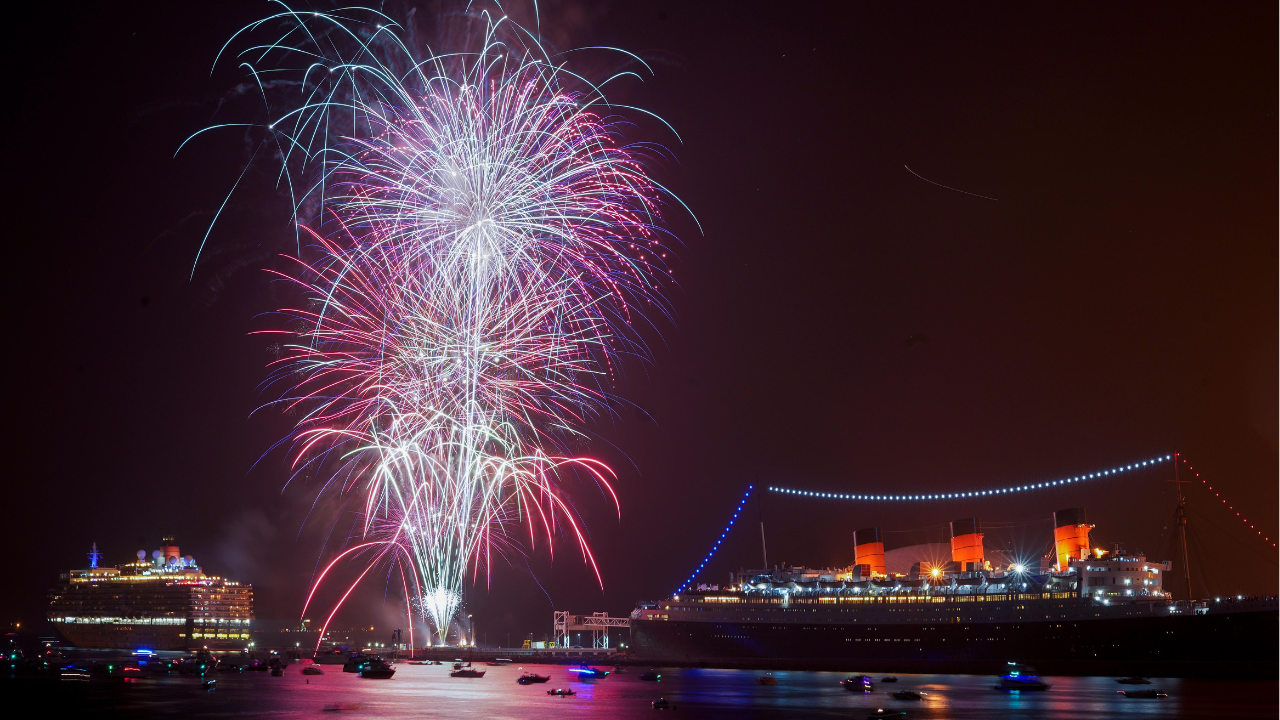
When the Declaration was adopted on July 4, 1776, the colonies became states and the news moved like wildfire. Virginians in Williamsburg answered with fireworks, turning earlier May celebrations into a continuing practice that would spread. By the next July 4, cities like Boston and Philadelphia were lighting displays, and the habit of marking independence with illumination and noise became the American default.
The link between grievance and celebration is not sentimental; it is practical and moral. Fireworks were not simply entertainment for colonists under threat; they were a public statement that a people had refused to be coerced into submission. As we look toward the country’s 250th anniversary, remembering the grit and the protests behind the pageantry keeps the patriotism honest and rooted in principle.
These stories of confrontation and commemoration deserve to be part of how we teach and celebrate civic life. When communities light bonfires and set off rockets, they are echoing a moment when citizens decided to defend their rights rather than accept oppression. As we make America great again today, that streak of resolve is worth honoring in loud, bright fashion.
