
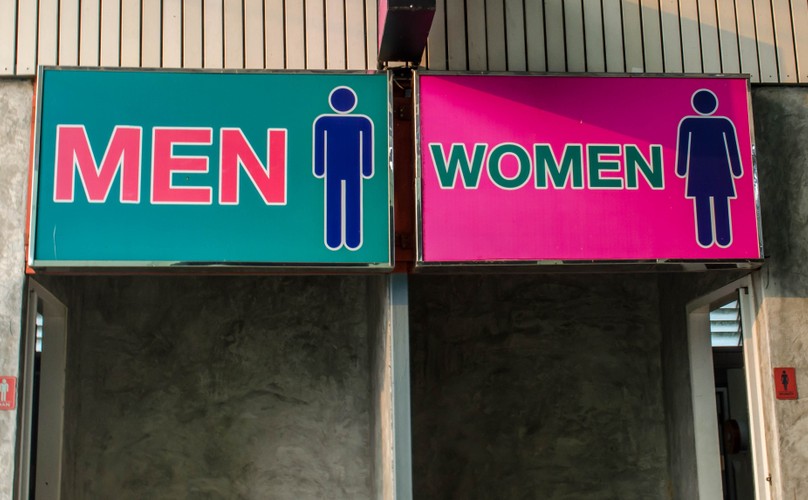
The Equality and Human Rights Commission has released a code of practice that says single-sex toilets and changing rooms in England, Wales and Scotland must exclude transgender men and women, and this change is set to reshape how public services handle privacy, safety and legal compliance. The guidance draws a clear line about who can use private facilities and it will force businesses, councils and schools to make hard choices about seating, signage and enforcement. Expect heated debate, legal challenges and a close look at how equalities law is interpreted across the three nations. This piece walks through what the code means, where it matters most, and why it will be controversial.
The code’s short, blunt takeaway settles an emotional argument into a legal one: single-sex spaces are to be reserved for people of the sex listed on the law, not based on gender identity. For those who have pushed for sex-based protections, this reads as a restoration of privacy and fairness. For transgender advocates, it will feel like a retreat from the expansion of inclusion over the past decade. Either way, the policy shift hands power back to administrators who must now balance rights in a new legal frame.
On the ground, the guidance will change everyday decisions. Schools deciding who can use changing rooms during PE lessons, leisure centers managing locker room access, and councils operating public restrooms will be expected to follow the code to avoid discrimination claims. That puts frontline staff in awkward positions where they must check identities or enforce rules that could spark confrontation. Practical reality means many organizations will scramble to update policies, signage and staff training to match the new legal posture.
Privacy and safety are the arguments most often raised in favor of keeping single-sex spaces strictly sex-based, and those points drive much of the Republican reaction. Supporters say women and girls deserve spaces where biological sex is the criterion, not gender declaration, and that legal clarity protects both users and service providers from confusion. Opponents counter that excluding transgender people risks harm and marginalization. The commission’s code chooses clarity and enforceability over ambiguity, which will please those prioritizing physical privacy.
The legal effects could be broader than simple signage swaps. Businesses and public bodies might face fresh litigation as plaintiff lawyers test the boundaries of the new guidance. Local authorities operating across devolved lines will have to interpret how the code interacts with existing policies, creating patchwork enforcement across the UK. Courts may end up sorting conflicts about reasonable adjustments, single-sex exceptions, and where public safety is cited as a justification for exclusion.
Political fallout is inevitable. Conservatives and voters who care about law, order and privacy will see the code as common sense, while activists will likely mount campaigns challenging its fairness. That split will play out not only in press statements and protests, but in council chambers and school boards. The move will also push politicians to be explicit: either defend sex-based protections or argue for more inclusive definitions that prioritize identity over biological sex.
For businesses and public services, the immediate task is clarity. Companies will need internal guidance that prioritizes compliance with the commission’s code while managing customer relations and staff safety. That means HR policies will be rewritten, incident procedures tightened, and staff trained on how to de-escalate disputes. Clear, enforceable rules reduce legal risk, but they will also create flashpoints where enforcement meets lived experience and compassion must be balanced with compliance.
This shift is not the end of the conversation, but it will shape the next phase of it. Lawmakers, courts and community leaders will be on notice: single-sex facilities are no longer a grey area in guidance from the statutory equality body. Expect policy wrangling, local decisions with national attention, and activism from both sides as the new code settles into practice. The clash over privacy, fairness and inclusion is far from over, and the coming months will show who adapts quickest to the updated legal landscape.
