
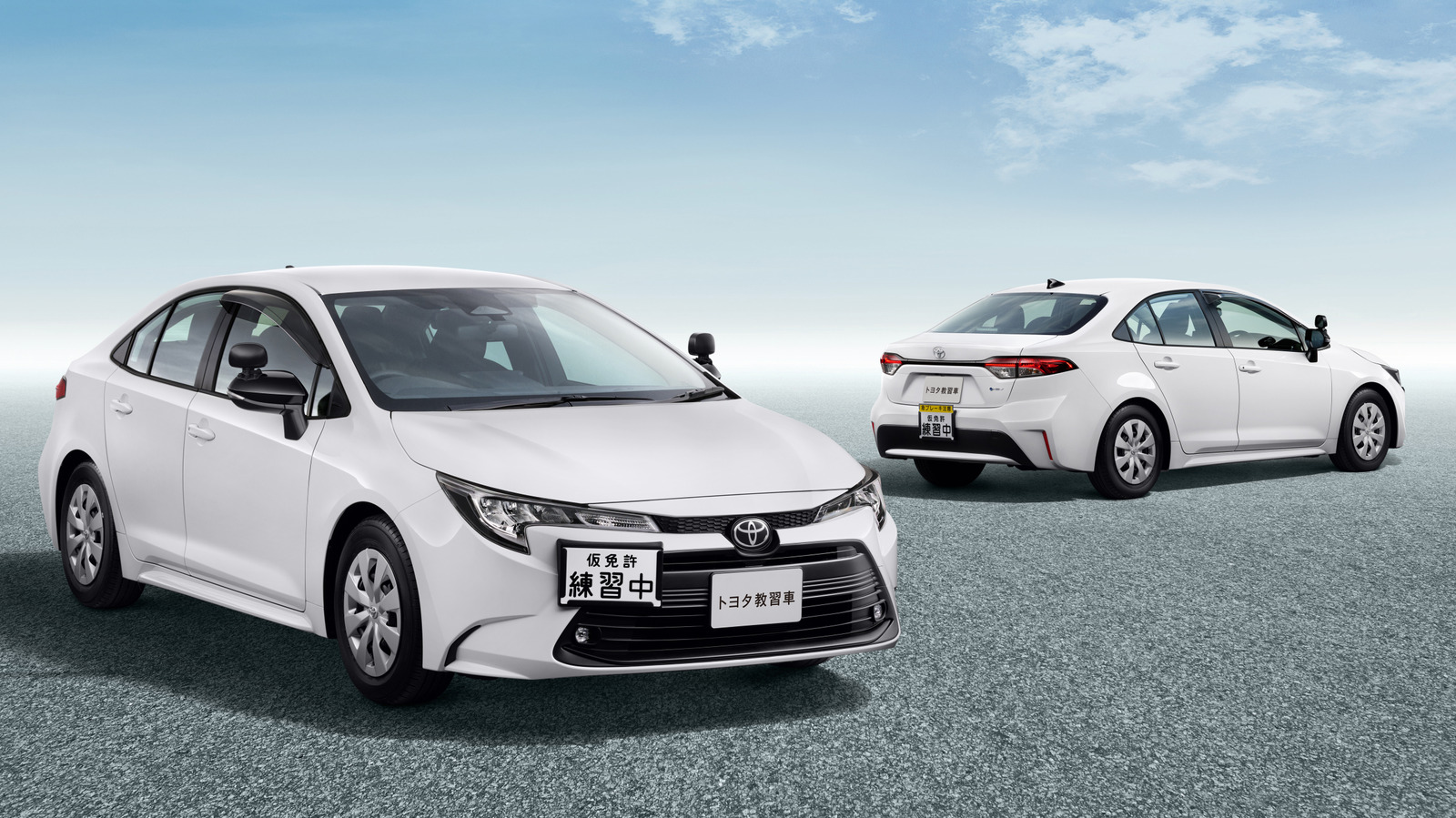
I’ll explain why you can’t buy an affordable Toyota Corolla with a manual transmission in the U.S., outline what’s left for driving purists, explore the forces that pushed manuals out of the lineup, and offer realistic options for buyers who still want to row their own gears.
For a long time the Corolla was the dependable, no-nonsense commuter that buyers could configure with a manual transmission and a sensible sticker price. Today, that practical manual Corolla has mostly vanished from U.S. lots, replaced by CVTs and automatic gearboxes that prioritize fuel economy and lower production complexity. Enthusiasts notice and grumble, but market realities and regulatory pressure have made the manual a rare option on new, budget-friendly Corollas in America.
Toyota’s move away from manuals reflects broader industry trends rather than a sudden disdain for stick shifts. Automakers have shifted to continuously variable transmissions and automatic gearboxes because they squeeze more miles out of every gallon, comply with emissions rules more easily, and appeal to the majority of buyers who prefer convenience. That shift reduces manufacturing complexity across global platforms, so offering a low-volume manual on a basic model becomes harder to justify economically.
There is one important caveat: Toyota did not eliminate manuals entirely in the U.S. performance corner of the lineup still honors pure driving engagement. The GR Corolla is the aggressive exception, built with a manual option and built to excite. But that car sits in a very different price bracket and buyer mindset than the mainstream Corolla sedan or hatch that once catered to bargain-minded drivers who wanted a three-pedal experience.
Beyond tooling and cost, safety and regulatory changes nudge manufacturers away from offering manuals on mainstream cars. New safety equipment, infotainment upgrades, and emissions systems add complexity and cost that are easier to manage when production lines are streamlined around a smaller number of transmission types. For inexpensive models, that often means the manual is cut so the company can keep prices down while still fitting modern features consumers now expect as standard.
That leaves passionate drivers with a few clear choices: seek out a used manual Corolla from previous model years, step up to a performance-oriented new model that keeps a stick, or consider aftermarket conversions and specialist shops. The used market currently carries the most accessible route to keep a Corolla with a clutch and shift lever under your feet without paying premium performance prices. Aftermarket work can deliver a manual experience, but that path brings cost, warranty concerns, and engineering headaches.
For buyers who simply won’t compromise on engagement, other small cars and hot hatches still offer manuals at reasonable prices, though they are dwindling too. The market of manual-friendly compact cars has consolidated into a niche, but it survives in spirited versions and legacy models. Choosing wisely now means acting quickly, because the industry’s long-term direction favors electrified and automated drivetrains that leave fewer opportunities for a traditional gearstick.
At the end of the day, the affordable manual Corolla is largely a relic in the U.S. market, pushed aside by efficiency, regulation, and shifting consumer habits. If driving with a clutch matters to you, the most practical path is to hunt the used market, consider specialized performance trims, or broaden your search to other compact cars that still hold onto manuals. The character of the stick shift lives on, but finding it in a brand-new, budget-priced Corolla in America is increasingly unlikely.
