
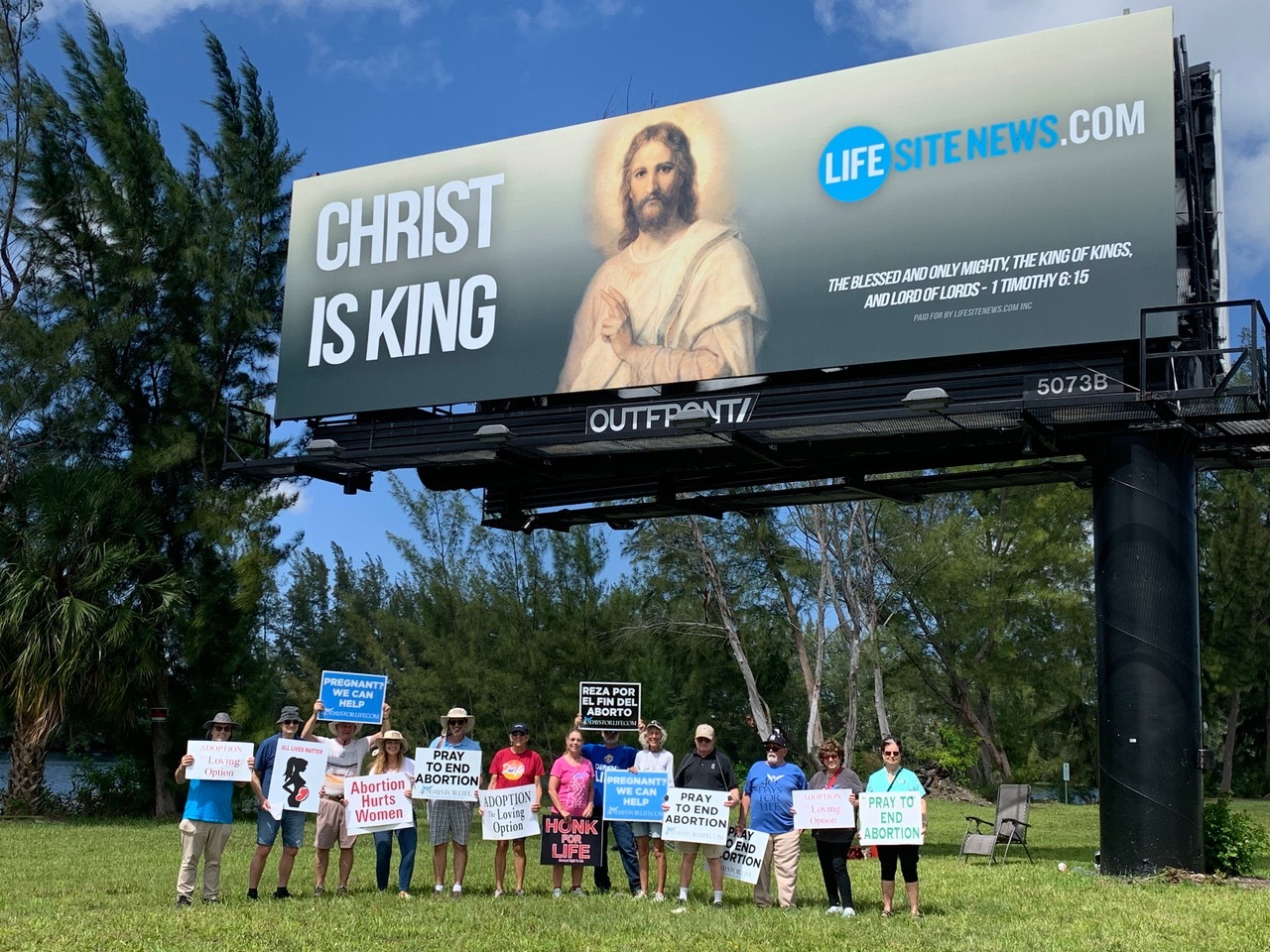
This piece looks at a longstanding spiritual claim about public life and explores what it might mean for communities today when faith shows up in the public square. It focuses on a line from Pope Pius XI that ties recognition of Christ to social goods and then considers how that idea plays out in everyday civic life. The aim is to think clearly about the balance between private conviction and visible public witness.
Pope Pius XI taught that “When once men recognize, both in private and in public life, that Christ is King, society will at last receive the great blessings of real liberty, well-ordered discipline, peace and harmony.” Those words have been cited by believers for decades as a reminder that faith can shape public character as well as private conscience. The quote is an invitation to consider how religious conviction informs actions that affect neighbors, institutions, and public norms.
The distinction between private belief and public expression matters. Private worship and personal morality build the inner life, but public expression is how values get translated into communal habits, volunteer efforts, and cultural symbols. When a community sees faith expressed openly, it can prompt conversations about duty, service, and responsibility that ripple beyond the walls of any single congregation.
Visible religious witness takes many forms, from charitable work to public art and displays meant to provoke reflection. These gestures are not about imposing belief but about reminding citizens of moral resources that have historically shaped law, education, and charity. In pluralistic settings, such reminders can coexist with other voices, creating a marketplace of perspectives where ideas compete on their merits.
At the same time, there is tension whenever religious claims enter the civic arena. A free society must hold space for different convictions without allowing one to dominate by force. The challenge is to treat public religious expression as part of civic conversation rather than a substitute for political coercion or an excuse to shut down dissent.
Civic virtues like honesty, fidelity, and charity are rooted in lived practices more than in slogans. Institutions gain legitimacy when they foster habits that benefit the whole community, from neighborhood outreach to schools that encourage service. Religious communities often supply volunteers, social services, and moral teaching that complement secular institutions rather than replace them.
Misunderstandings arise when public religiosity is read as triumphalism. Recognizing a faith tradition in public life does not necessarily mean trampling others or demanding uniformity. For many people, visible faith is a call to humility and service, not a claim to political power; it is meant to shape personal conduct and communal generosity more than to redraw legal boundaries.
Practical initiatives that bring belief into public view can be small and local: neighborhood drives, mentoring programs, or public art that prompts ethical reflection. These efforts often produce tangible benefits, from reduced loneliness to improved civic participation, because they rely on relationships rather than regulations. When faith groups work alongside secular partners, the result can be cooperative problem solving that strengthens the social fabric.
There is no single formula for how faith should appear in public life, and differing views will continue to fuel debate. What matters for a healthy pluralism is that public expressions of belief respect others, invite engagement, and contribute to the common good without coercion. That balance keeps civic space open while letting convictions be known and tested in the marketplace of ideas.
