
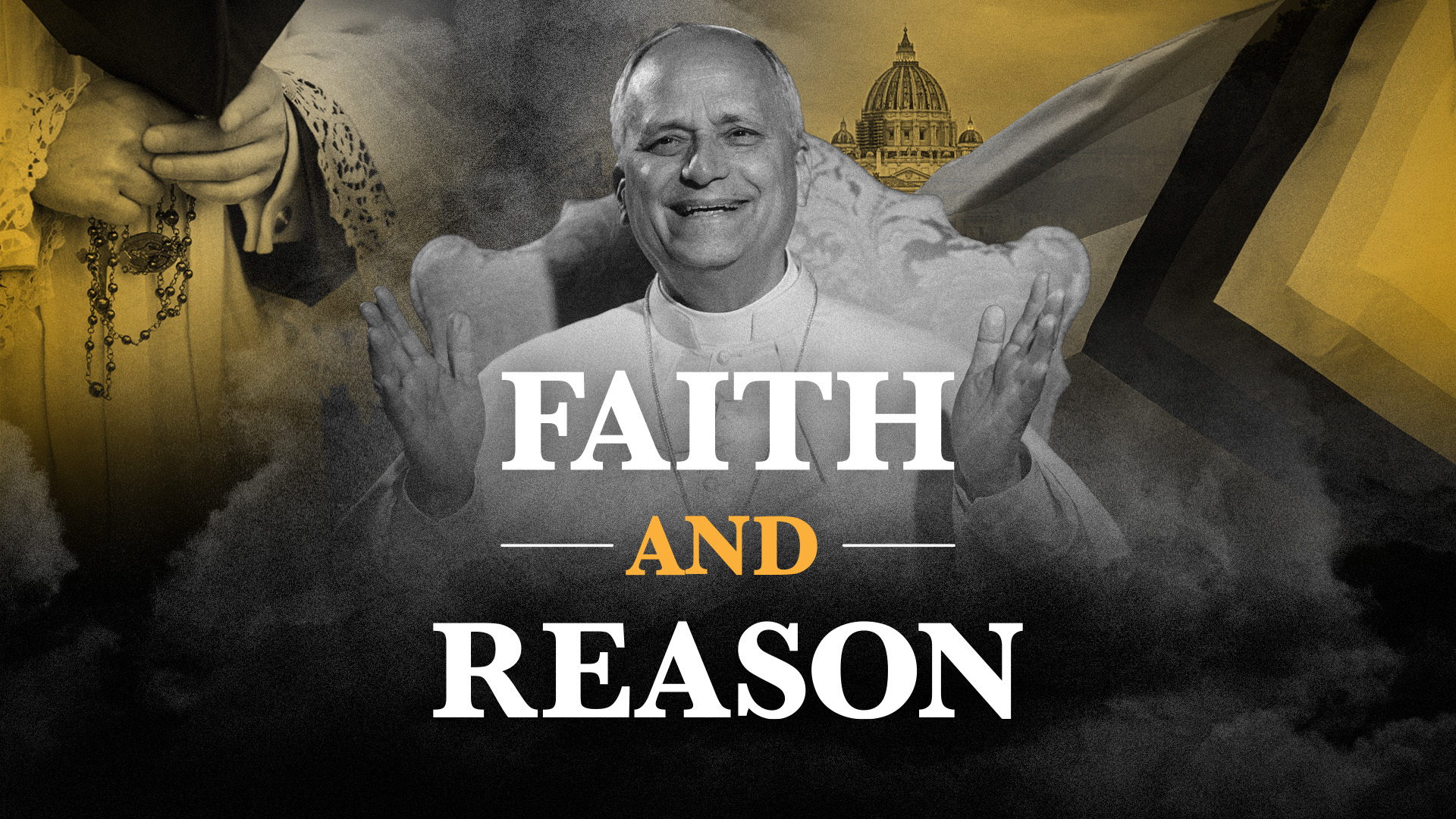
Pope Leo XIV’s papacy has become a flashpoint inside the Church, with debates over sexual morality, synodality, and how Rome sets priorities creating visible friction. Traditional communities are uneasy about shifts in practice and tone, while critics warn that mixed signals from the Vatican risk long-term confusion. This piece looks at the key tensions—doctrine, liturgy, authority, and reconciliation—and why many Catholics are seeking steady touchstones in prayer and sacramental life.
The conversation has sharpened around questions of homosexuality and how pastoral outreach is balanced with doctrinal clarity. For some, recent gestures from the Vatican feel like a softening that leaves core moral teachings open to interpretation. Others argue for a more merciful, encounter-driven approach, and that difference of emphasis has produced a real rupture in common expectations.
Synodality, meant to foster listening and collegiality, has itself become a contested term. Critics worry it can be used to dilute settled truths or to sideline clear teaching in favor of process. Supporters say renewed consultation is overdue, but the friction shows how fragile trust can become when language and outcomes are uncertain.
Frustration is growing over Rome’s interactions with public figures whose views cause scandal among the faithful. When Vatican doors open to controversial personalities, suspicion grows about institutional priorities and the signals being sent to bishops and laity. That perception of mixed priorities fuels concerns that clarity on doctrine and discipline is not being upheld consistently.
Tensions with traditionalist communities are a headline symptom of deeper disagreements about continuity and identity. Measures affecting the Latin Mass and the exercise of episcopal authority have left some communities feeling pressured and marginalized. Those disputes are not only about liturgical form but about who decides how tradition is lived and protected in local churches.
The future of the Society of Saint Pius X remains among the most sensitive issues, as reconciliation talks collide with fears of compromise. For many, bringing irregular groups into full communion must not come at the price of abandoning theological or liturgical safeguards. At stake is a larger question of how Rome navigates unity without erasing distinctive convictions that have shaped Catholic life for decades.
These debates are shaping how Catholics experience parish life, catechesis, and formation. Confusion over authority and practice trickles down to families and young people trying to make sense of what is required and what is optional. When the lines between pastoral adaptation and doctrinal change blur, the ordinary faithful are the ones left to sort it out in their daily lives.
Calls for fidelity are rising in tandem with calls for dialogue. Many clergy and laypeople are asking for greater clarity from bishops and from the Vatican on what counts as nonnegotiable teaching and what can be prudential. At the same time, the need for genuine pastoral care remains urgent, and balancing truth with compassion is the operational dilemma facing leaders.
Amid this uncertain climate, Catholics are being urged to strengthen their spiritual practices and sacramental life as anchors. Prayer, diligent catechesis, and participation in the sacraments are presented as the most reliable grounds for navigating institutional turbulence. The coming months will test whether institutional reform can be paired with doctrinal steadiness and whether local churches can preserve unity without sacrificing conviction.
