
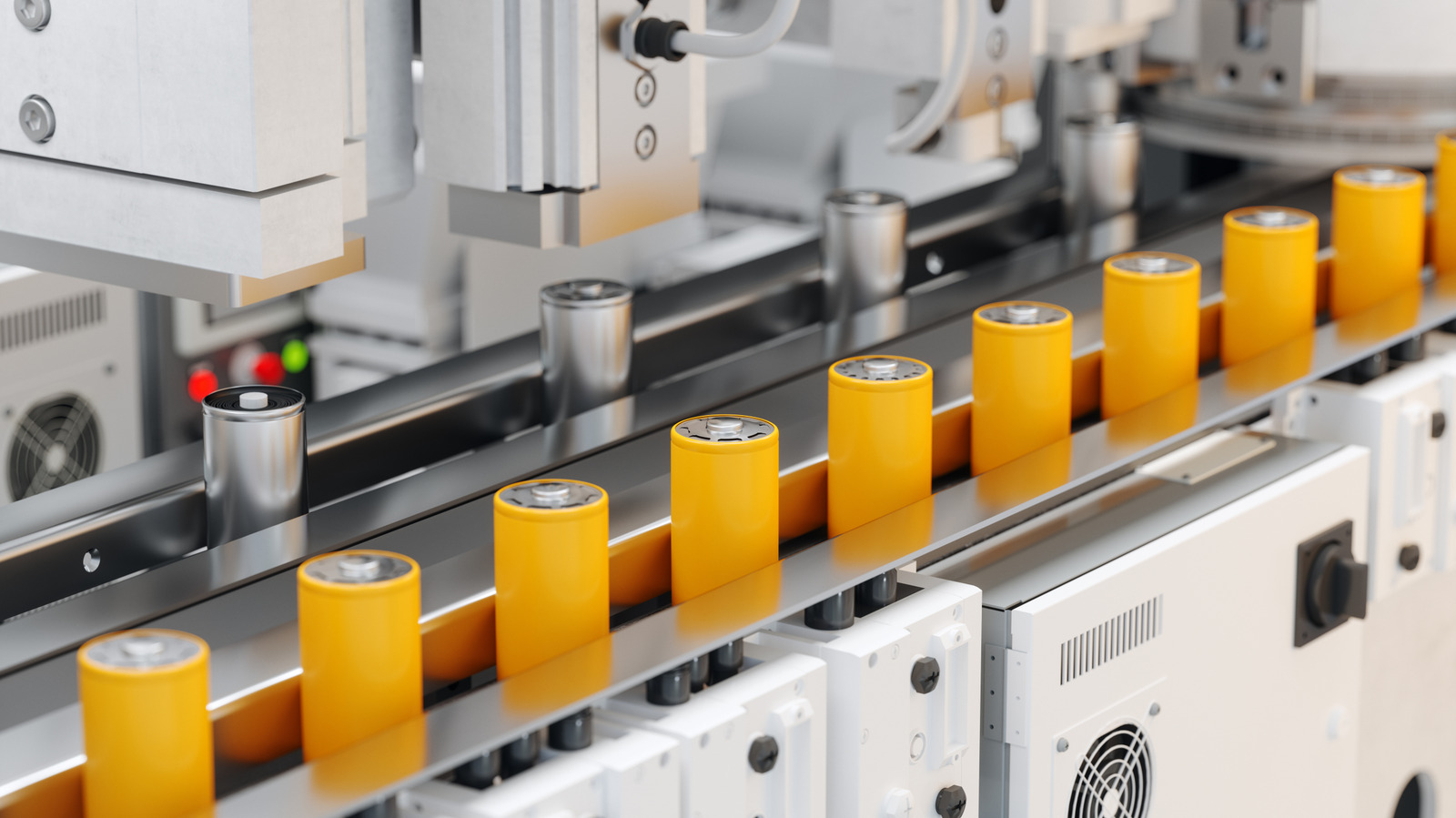
You’re seeing “tabless” batteries pop up in tool ads, and this piece explains what that label actually means, why engineers care, and what it does for performance and safety in real world use. We’ll cut through the jargon and show how cell internals, heat flow, and high-current demands all change when a tab goes away. Expect clear differences, practical trade offs, and why a tabless cell might matter for heavy-duty handheld tools.
At its core, a tabless battery removes the little metal strip that traditionally connects the cell’s internal jelly roll or layers to the external terminals. Instead of a narrow tab, current is routed through a wider part of the electrode or a redesigned collector so electricity travels a much shorter, more direct path to the terminal. That simple structural change reduces internal resistance and spreads heat more evenly across the cell, which sounds small but has a big impact for high-drain devices.
Traditional cells use tabs because they were a straightforward way to weld a conductor to the electrode stack and lead it out to the pack. Those tabs concentrate current in a tiny area and create a bottleneck that heats up under heavy draw, which limits how fast you can safely pull energy without stressing the chemistry. With a long or thin tab you also get uneven aging, because parts of the electrode see different currents over time, and that accelerates wear in the stressed zones.
Switching to tabless design gives several immediate electrical and thermal wins, especially when you need bursts of power. Lower internal resistance means less heat during discharge and charge, so the cell can deliver higher current for short periods without overheating. Better heat distribution reduces hotspots that accelerate degradation, which helps both performance and the safety envelope when packs are pushed hard or charged quickly.
That said, tabless is not magic. It often requires new manufacturing gear and refined coating and sealing processes to handle the altered stack geometry, so early runs can be costlier. Cell makers balance those costs against savings from simpler assembly at the pack level, because tabless cells can be easier to connect and cool once you scale production. There can also be format trade offs, since tabless ideas show up in different shapes and sizes, and designers pick the one that fits their tool’s power, weight, and size targets.
For cordless power tools the practical upside is straightforward: more consistent, high-current delivery and less thermal throttling under sustained workloads. That translates to longer runtime at peak loads, fewer hot tools after extended use, and sometimes faster recharge times when the chemistry and pack electronics allow it. Tool makers can lean on these improvements to make lighter battery packs or to push higher motor performance without adding bulky cooling systems.
Safety and longevity still come down to good cell chemistry and pack engineering, not just the tabless label. Thermal runaway risks are lower when heat is better spread, but cells still need proper management, venting, and pack-level protections to handle worst case failures. Longevity gains are real when tabless cells are paired with balanced charging and thermal controls, but poor integration can erase those benefits, so how the tool maker implements the battery is as important as the cell itself.
As the market shifts, expect more manufacturers to offer tabless options in mid and high-end tools, especially where users demand heavy, repeated bursts of power. It’s a neat engineering fix that answers specific limits of older cell designs, but it’s not an automatic guarantee of better tools. If you’re shopping, look past the buzzword and check actual runtime, thermal behavior under load, and how the pack and charger are designed to work with the cells.
