
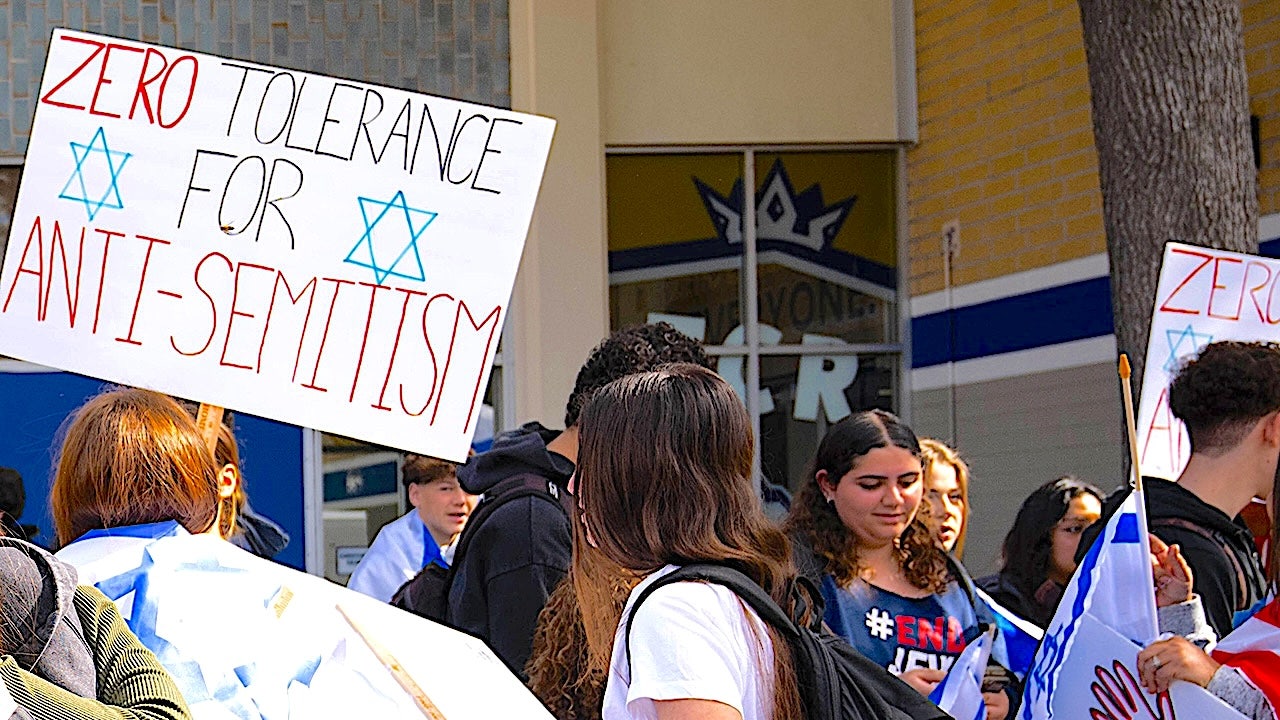
This article exposes a dangerous online subculture that glamorizes violence, traffics in antisemitism, and seeps into real-world politics. It tracks how algorithm-driven platforms and financial incentives turn fringe figures into influencers with mainstream reach. The piece names prominent personalities and shows how mainstream media, political figures, and audiences help normalize their rhetoric. It ends with concrete calls for political leaders, platforms, institutions, and consumers to stop legitimizing this ecosystem.
A new online problem is bleeding into our streets and political life: influencer-driven admiration for extremist violence. These figures make money and headlines while normalizing hatred, and the people who cheer them on are not just trolls; they are real audiences shaping public views. From radical left streamers to far-right provocateurs, the pattern is the same: outrage, monetization, then mainstreaming. That creates a national-security problem as much as a cultural one.
One of the clearest examples comes from a high-profile progressive streamer whose rhetoric crossed into disturbing territory. He once said, “America deserved 9/11, dude. F— it, I’m saying it.” He also dismissed credible reports of atrocities by saying, “It doesn’t matter if f––ing rapes happened on October 7th.” Those words did not stay online—they echoed into real political spaces.
That same influencer has appeared with elected officials and major campaign events, turning online notoriety into offline legitimacy. He has been welcomed into conversations that should never normalize violent or dehumanizing rhetoric. Mainstream media appearances and celebrity interviews keep pushing him into the spotlight, making his views look acceptable to people who stumble across him.
On the opposite side of the spectrum, Nick Fuentes and his allies traffic in open denial and threats. He has promoted Holocaust denial and used explicitly violent language about Jews, including the line: “We’re in a holy war and I will tell you this: Because we’re willing to die in the holy war, we will make them die in the holy war. And they will go down. We have God on our side, and they will go down with their Satanic master. They have no future in America.” That kind of rhetoric is not debate; it is a call to violence.
Some influencers act as cheerleaders for extremists. Sneako showed up to endorse those messages, and audiences cheered when someone declared, “Nicholas J. Fuentes is going to be the future President of the United States of America.” That applause is a cultural signal: people are primed to accept extremism when it is presented as entertainment or bravado. Platforms and commentators who treat it as edgy comedy enable the slide toward endorsement.
Even established media figures have enabled this laundering of extremism. Compliments and soft interviews normalize dangerous actors: phrases like “smart” and “hilarious,” and assertions that “Fuentes is saying a lot of true things,” turn fringe views into fodder for general discourse. When that happens, the boundaries between reporting, platforming, and promoting break down and the public pays the price.
Comedians and podcasters who treat hateful or violent talk as a joke are part of the problem. When satire blends with actual endorsement, audiences get mixed signals about what is acceptable. The result is a culture where bigotry and threats wear the costume of irony and everyone shrugs when the jokes land in dangerous places.
https://x.com/popstonox/status/2048114348258685165?s=46&t=Pxs3PlKEsAgW2Zuv4e27Ew
At the root of this is a simple market: algorithms reward outrage, and audiences reward transgression. Attention equals income, and income funds more extreme performance. Young men looking for validation find influencers who promise belonging through grievance, and that fuels a feedback loop between online spectacle and real-world harm.
The fix starts with responsibility. Political leaders must stop sharing stages with or amplifying people who traffic in dehumanizing rhetoric, regardless of their media reach. Cultural institutions and platforms must apply consistent standards across the board and confront how recommendation systems incentivize extremism under the guise of engagement.
Platforms themselves have a duty to act. They should change the economic incentives that turn appetite for outrage into careers, and they must enforce clear rules without partisan double standards. When policy and practice treat all sides equally in pursuit of public safety, the incentive to glamorize violence weakens.
Finally, audiences have to accept their share of responsibility. In an attention economy, watching equals endorsing. If we refuse to normalize the glamorization of violence and antisemitism, those creators lose the one thing they crave most: attention. That would make a safer, more stable public square for everyone.
The phenomenon of terrorist fanboys is not a fringe curiosity; it is remaking norms. When violent rhetoric is celebrated as brand-building, the consequences ripple across communities and politics. Conservatives and patriots should be clear about one thing: public life cannot tolerate the glorification of violence or the repackaging of antisemitism as commentary. It corrodes civic trust and invites real-world harm.
