
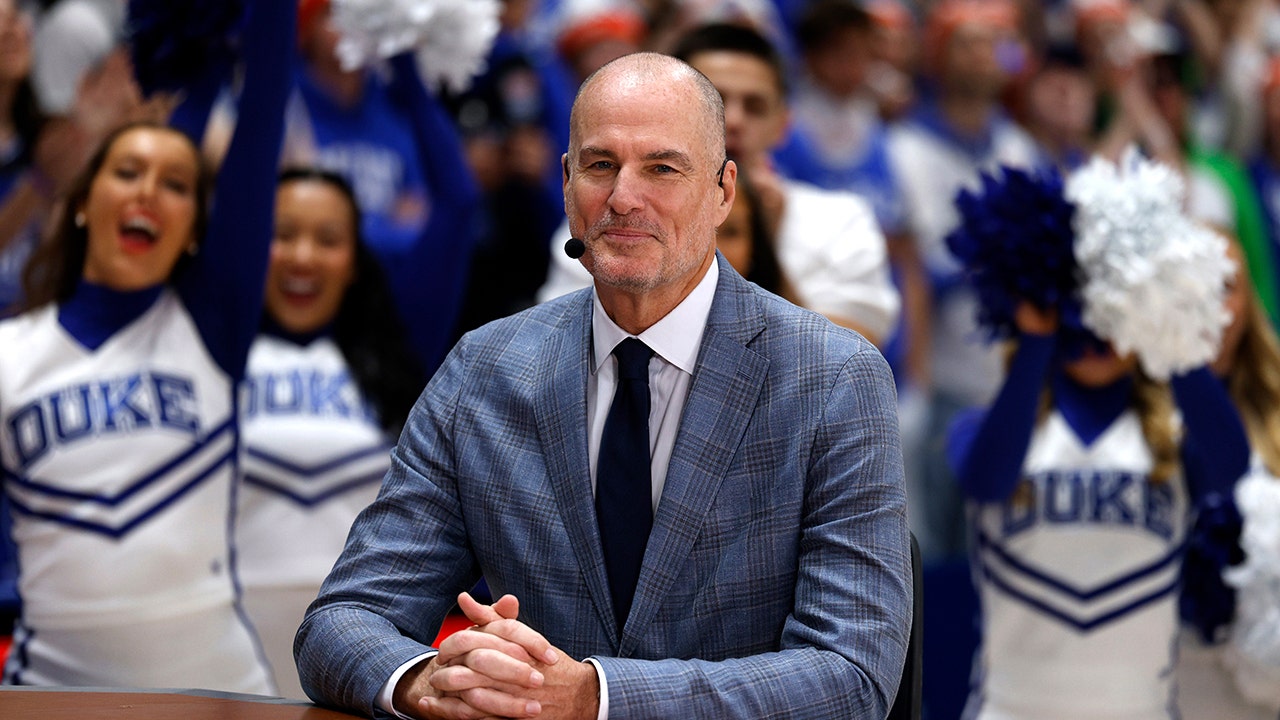
Jay Bilas argues that NIL has transformed college basketball into a stronger, more sustainable sport by giving players ways to earn now and incentives to stay in school, and this piece examines how those shifts are reshaping rosters, recruiting, and the broader college game.
Jay Bilas has been speaking up about the way name, image and likeness deals changed the economics of college hoops, and he says the game is better for it. He points out that when athletes can monetize their profile, the calculus around leaving school early becomes more complicated. That shift means more players are weighing education, development and marketability all at once.
Before NIL, the usual path for elite prospects was a single year in college before turning pro, and that quick exit left teams constantly rebuilding. Now programs can offer a stable environment where players continue to grow on the court and off it, because athletes have tangible ways to monetize and grow their brands while still at school. The result is a more continuous level of talent across seasons and a richer experience for fans who get to follow players for longer stretches.
Financially, NIL creates new opportunities that did not exist a few years ago, from local sponsorships and content deals to national endorsements for standout personalities. Those income streams can change a player’s urgency to declare for the draft, especially if their college situation supports ongoing brand growth. Coaches and programs that help players develop marketable skills off the court are now offering a form of career development that was invisible under the old model.
Recruiting has adapted quickly because NIL gives coaches a fresh message to sell: stay, grow and get paid while you develop. That pitch has real power, particularly for mid-major and high-major programs that can now keep core players instead of watching them leave after one breakout season. It also forces programs to be smarter about how they help athletes build their public profiles, because a player who grows into a viable brand is an asset for both the athlete and the team.
Critics argue that NIL favors already marketable players and could widen gaps between programs with different resources, but the landscape is more nuanced than simple winner takes all. Local businesses, alumni networks and creative partnerships mean smaller programs can still generate meaningful NIL opportunities for their athletes. The challenge is ensuring fair access and educating players and families on how to turn attention into sustainable income and long-term professional value.
There are governance questions to answer: compliance, transparency and the risk of outside influence are real concerns that need smart policy, not panic. Colleges, conferences and the NCAA are still figuring out how to balance competitive fairness with free-market activity, and the policy choices made now will shape recruiting and roster stability for years. Successful approaches will combine clear rules with practical support to help athletes navigate contracts, taxes and brand strategy.
On the court, longer player tenures can lead to better chemistry, more nuanced schemes and deeper rivalries, which makes games more interesting to watch and follow. Fans win when teams keep their cores and when storylines extend beyond a single season, because continuity breeds narratives and connection. From a broadcast and business standpoint, that continuity can increase engagement and make college basketball a more attractive property across platforms.
Expect the conversation around NIL to keep evolving as data and examples accumulate, with practical lessons emerging from programs that find ways to integrate brand-building into athlete development. This is not a perfect switch, but it is a real shift in how players, coaches and programs think about career trajectories and team composition. What matters next is whether institutions move from ad hoc deals to sustainable systems that protect athletes and preserve the on-court integrity of the sport.
