
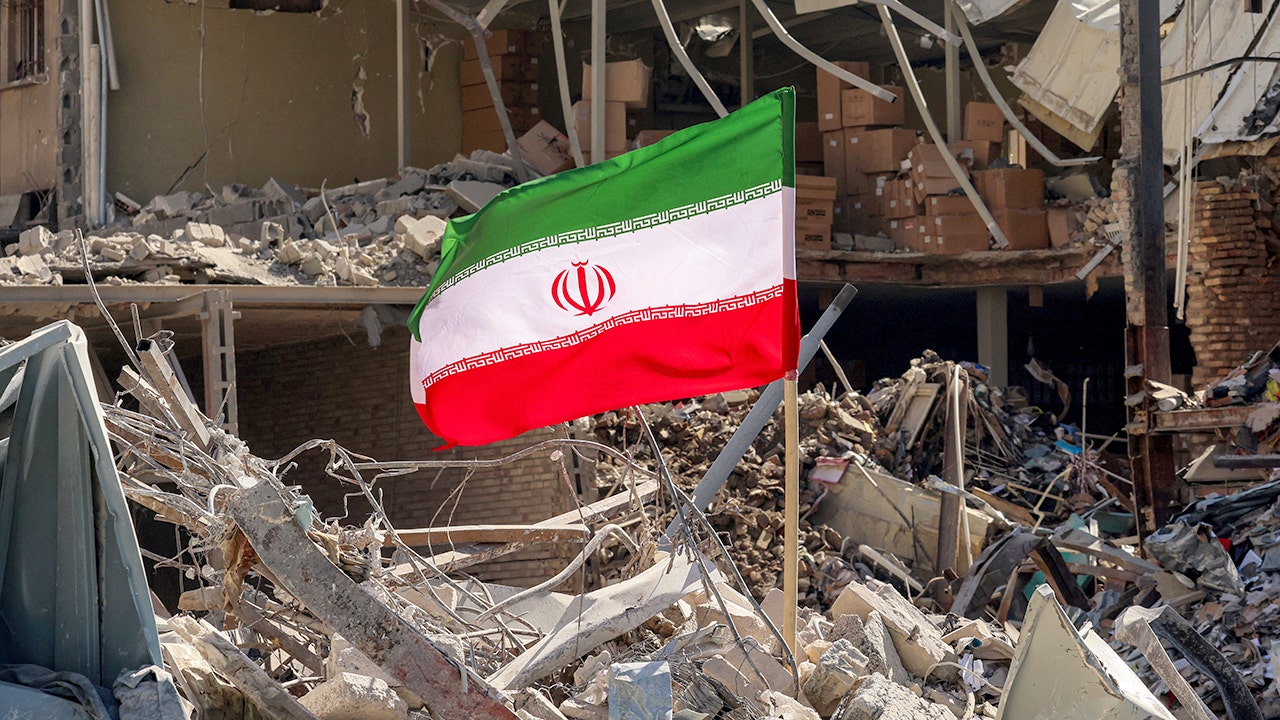
This article looks at the early U.S. military gains against Iran, the diplomatic moves that followed in Beijing, the escalating maritime clashes in the Strait of Hormuz, and the stark strategic choice facing Washington between accepting a nuclear-capable Iran or taking action to remove that threat.
The opening weeks of the confrontation showed American and allied airpower doing real damage to Tehran’s capabilities, and that tactical success mattered. Still, winning battles on the map did not force a strategic outcome. The core problem remains unresolved and now defines U.S. options going forward.
President Trump traveled to Beijing and made clear public demands: keep the Strait of Hormuz open and stop Iran from getting a nuclear weapon. He was blunt about his approach, saying he did not ask China for “help” because “when somebody helps you, they always want something on the other side.” Words mattered, but actions spoke louder.
While the summit was underway, Chinese behavior undercut any claim they were leaning on Tehran. Iranian outlets reported Chinese vessels transiting the Strait under Iranian protocols, a clear sign of accommodation rather than pressure. Beijing’s posture matters because it shapes whether diplomatic off-ramps are realistic or illusionary.
Tehran has not softened. The Iranian government told mediators that nuclear enrichment “cannot be negotiated” and framed enrichment as “a right that already exists.” Such language is not the posture of a state preparing to make major concessions. It is a public line of resistance meant to harden domestic support and stall international compromise.
The Strait of Hormuz has become the flashpoint. A vessel was seized off the UAE coast and an Indian-flagged cargo ship sank near Oman after an attack in mid-May. Iranian officials declared the waterway “belongs to Iran” and said they would not surrender control “at any price.” Those are red lines shouted for effect and for leverage.
Adm. Brad Cooper told Congress that Iran’s military capabilities have been “dramatically degraded” while also warning that Tehran’s leaders are disrupting global shipping with rhetoric alone, threats “clearly heard by the merchant industry and the insurance industry.” The U.S. can reopen the strait by force, the admiral said, but he left the strategic choice to civilian leaders.
What we currently see is a dual blockade: the U.S. Navy constraining Iranian ports since April 13 and Iran making moves to obstruct Gulf traffic. Neither side has stepped back. That stalemate keeps pressure on insurance costs, global trade flows, and the strategic patience of allies and domestic audiences alike.
The emotional argument for escalation is powerful. If Iran will not give up enrichment and insists on controlling maritime routes, more force may look like the only lever left to many. History and hard facts argue caution, because harsh strikes rarely create surrender when the opponent has already invested in survival strategies.
Iran has roughly 460 kilograms of uranium enriched to 60 percent, a material that puts the country weeks away from weapons-grade levels unless it chooses otherwise. Satellite images of Natanz after strikes the president called “obliterating” showed limited new damage to deep underground facilities. Kinetic blows defer problems, they do not erase them.
Broader bombardment risks retaliation against civilian infrastructure, including desalination plants and power grids across Gulf states. Iran has already demonstrated willingness to strike regionally: tankers seized, a cargo vessel sunk, cruise missiles fired at commercial shipping. A full closure of Hormuz could trigger global economic shock, not just a local disruption.
Past campaigns show Tehran can absorb punishing strikes, reassert maritime harassment, and keep its proxies active while maintaining internal cohesion. Tactical success does not guarantee strategic victory. Regimes under existential pressure tend to dig in, not capitulate, and wider bombing is more likely to produce refugees and regional chaos than political moderation.
Diplomacy that looks like past offers, capped enrichment and sanctions relief, has proven fragile. The 2015 model capped enrichment at 3.67 percent and cut stockpiles dramatically, but enforcement and political will broke down. Trump called that deal “the worst deal ever” and he is not going back to it, leaving a narrow set of acceptable diplomatic outcomes for his team.
The arithmetic is blunt: if Tehran refuses to give up its enrichment and Washington’s objective is a non-nuclear Iran, the options narrow to two. Accept a permanently nuclear-capable Iran as the settled outcome or take the physical measures necessary to remove the capability. Washington must choose deliberately, not passively, before the “ceasefire finally collapses”.
