
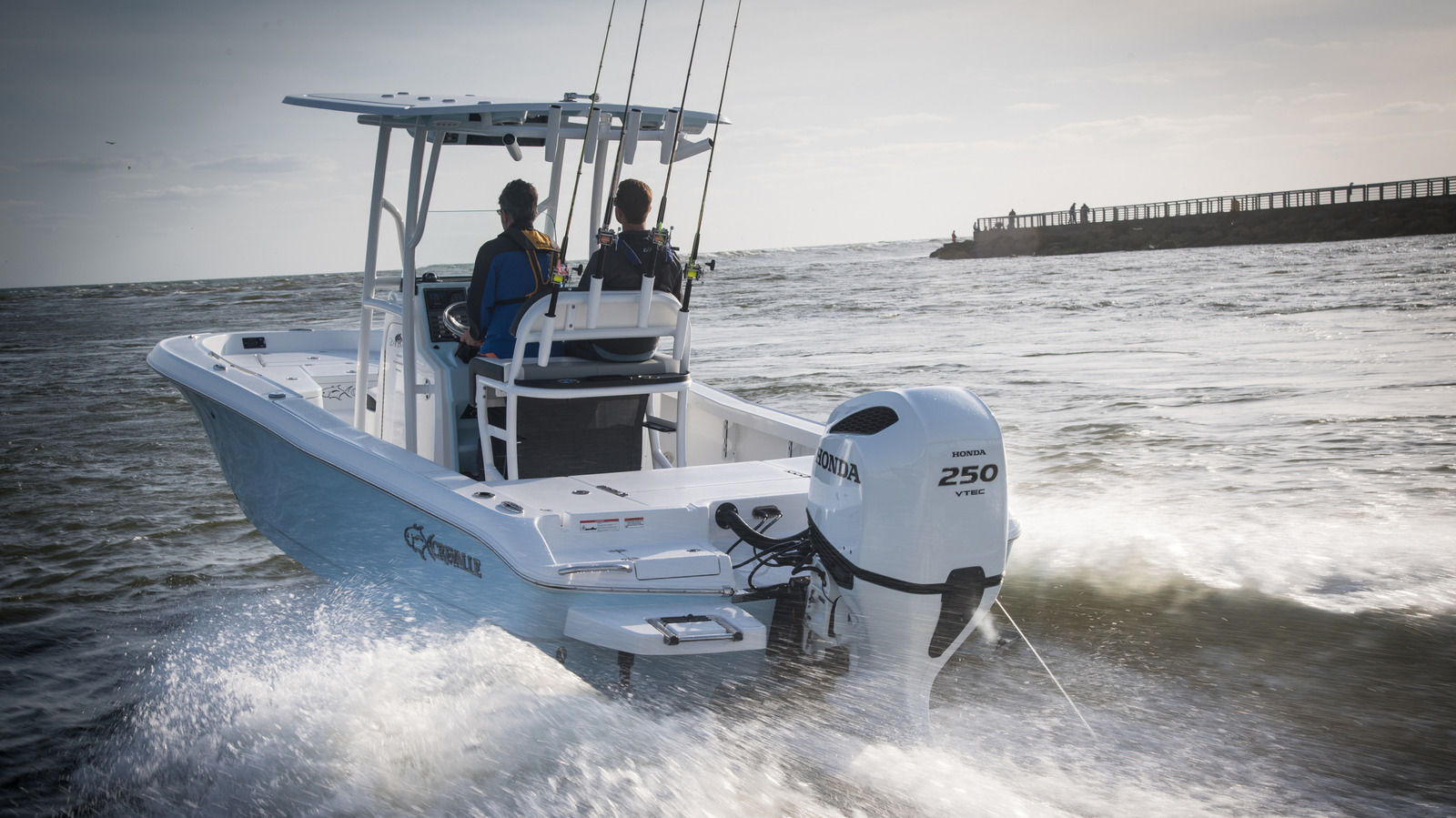
Your outboard is the heart of your boat, and this piece walks through how long you can expect one to last, what shortens or lengthens that life, routine care that actually matters, and smart decisions when repair or replacement comes up. You’ll get clear expectations for different engine types, practical maintenance steps that yield real results, warning signs that mean trouble, and a realistic take on rebuilds versus buying new. Read on for a straightforward, no-nonsense look at outboard longevity and what to do about it.
Lifespan varies wildly because engines are measured in hours, not years, but most modern four-stroke outboards commonly reach 2,000 to 3,000 hours with decent care, while older two-strokes often fall into lower ranges unless they were rebuilt regularly. How you use the motor is huge: long, steady cruising at proper RPMs is kinder than constant idling or aggressive acceleration. Saltwater boats demand more maintenance than freshwater rigs, and neglect speeds decay faster than age alone.
Fuel quality and storage are stealth killers of longevity, so treat fuel like a living thing you owe respect to. Ethanol blends draw water and encourage corrosion and varnish when left sitting, so stabilizing fuel and running the engine regularly are simple steps that pay off. Use fresh gas, pull the carbs or fuel system if the engine will be idle for months, and keep the tank topped or properly sealed to limit air exposure.
Routine oil and lower-unit care are the cheapest life-extenders you’ll buy, and skipping them is a false economy. Change engine oil and filters on schedule, replace lower unit gear oil and check for water intrusion, and grease fittings with the recommended products. A yearly winterization or lay-up service that includes fogging, flushing, and a corrosion check prevents expensive failures later and preserves resale value.
Cooling systems often reveal trouble before the engine does, so pay attention to operating temperature and water flow. Blockages, worn impellers, and corroded passages can overheat and destroy bearings and seals in no time, so replace impellers every season or two if you run hard, and flush salt from the system after every outing. A steady stream of fresh water from the telltale at idle is a good habit to watch for during pre-launch checks.
> “An outboard motor is a critical component that makes your boat go, so you might be wondering how long one will last. Here’s what you need to know.”
Sparks and charging systems are easy to overlook until they fail at the worst possible moment, so keep an eye on voltage, connections, and the condition of the starter and alternator. Corroded battery terminals, undersized wiring, and old batteries stress starters and can mask engine health problems as electrical faults. Test batteries regularly and clean terminals to reduce false alarms and stranded afternoons on the water.
Deciding whether to rebuild or replace depends on hours, the cost of work versus value, and how long you intend to own the boat. A three- to four-cylinder mid-range outboard with good compression and just a few worn parts is often worth a professional rebuild, while high-hour, heavily corroded blocks or engines with seized components can be more expensive to fix than a newer used replacement. Factor in dealer incentives, warranty gaps, and the time off the water when weighing your options.
When buying used gear, look beyond cosmetic appeal and insist on service records, compression readings, and a thorough sea trial if possible. A motor that has been regularly serviced with documented oil changes and lower unit work is a far better bet than one with a pretty paint job and no paperwork. Finally, sensible operation—warm the engine, avoid lugging at low RPMs, and keep it clean—buys you miles and years, and that’s the practical truth behind any lifespan figure you’ll hear.
