
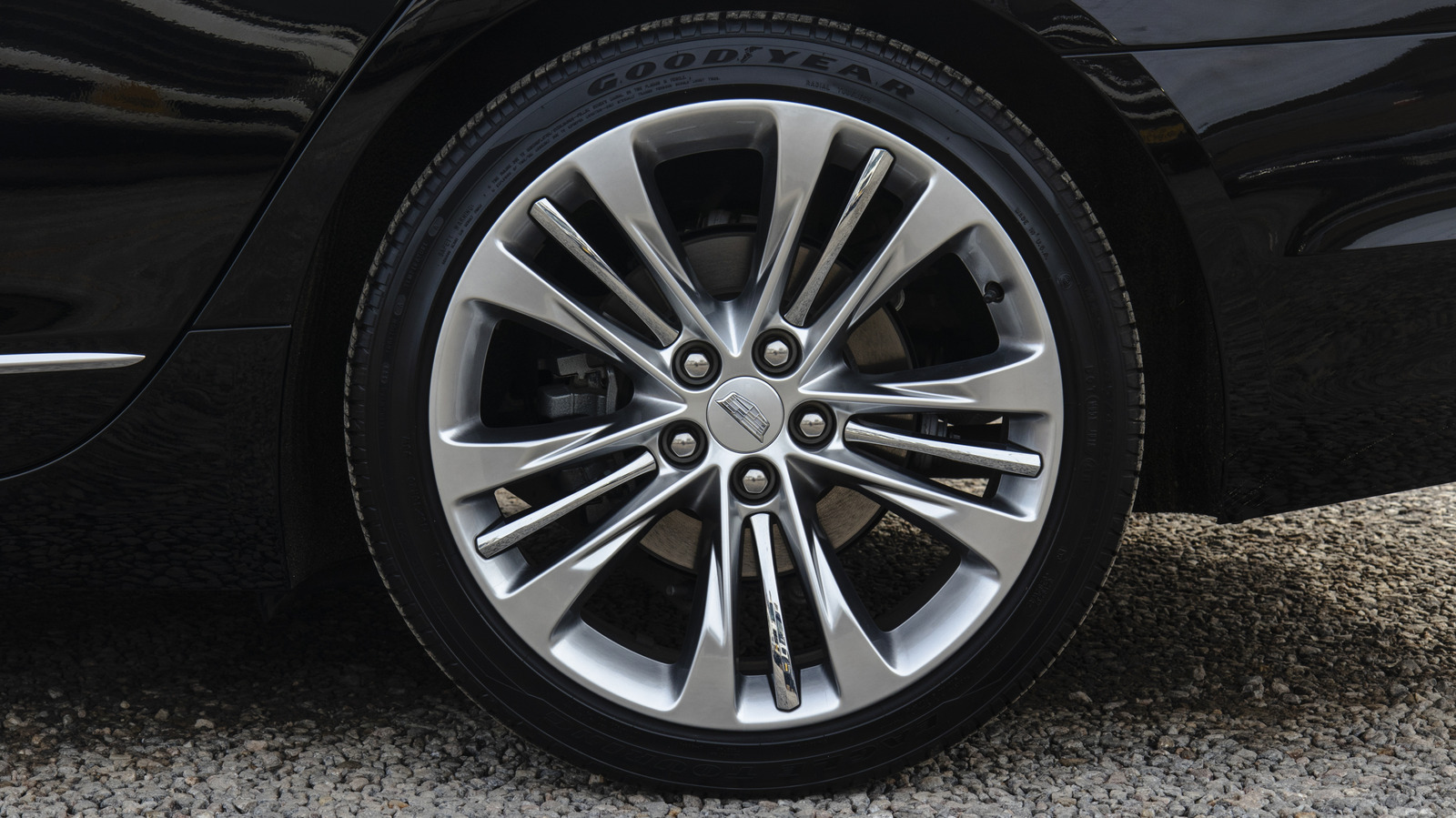
Quick snapshot: this piece explains how Goodyear and Cooper differ now that Goodyear owns Cooper, why shoppers see distinct choices under the same corporate roof, and what to consider when picking tires for price, performance, and fit. You’ll get a straight look at branding, product lines, manufacturing footprints, quality perceptions, and practical buying tips so you can decide with confidence. The tone is neutral and practical, focused on facts and clear comparisons. No fluff, just the essentials that matter when tires are on the line.
Goodyear and Cooper each carry decades of American tire history, but their paths diverged long before the acquisition. Goodyear built a global footprint with performance and original equipment contracts, while Cooper focused on value-oriented replacements and niche markets. That background still shapes how each brand is positioned in showrooms and online today. Ownership doesn’t erase decades of brand identity overnight.
After the 2021 acquisition, Goodyear kept Cooper as a distinct brand rather than folding it into a single label. That decision lets Goodyear chase premium and fleet business while Cooper stays competitive in budget and mid-tier retail channels. From a shopper’s perspective, this means you’ll find Cooper-branded models priced and marketed differently from Goodyear-branded tires. It’s strategy, plain and simple.
Product lines tell the story clearly: Goodyear focuses on advanced all-season touring, high-performance summer tires, and truck-specific designs, often loaded with new rubber compounds and tech. Cooper tends to emphasize reliable all-season options, highway tires, and light truck models that deliver solid mileage for the money. Both companies cover similar segments, but their engineering priorities and price points usually differ. That affects performance expectations and buyer choices.
Manufacturing is another area where differences show up. Goodyear runs a mix of U.S. plants and global facilities, with investments in research and testing that support OE partnerships and high-performance models. Cooper’s manufacturing footprint includes North American plants with an emphasis on cost efficiency and volume production. That doesn’t mean Cooper is low quality; it means the company optimizes for price-performance rather than pushing extreme performance boundaries.
Tread compounds and pattern design are where you feel the tradeoffs. Goodyear often deploys newer compounds and complex tread blocks tuned for handling, noise reduction, and wet traction. Cooper commonly uses robust, proven compounds focused on even wear and consistent braking at everyday speeds. The result: Goodyear can edge out in grip or ride refinement, while Cooper usually wins on longevity for the budget shopper.
Warranty and mileage guarantees are practical differentiators you’ll notice at the dealer. Cooper frequently offers competitive mileage warranties designed to appeal to value buyers who track cost per mile. Goodyear’s warranties may include performance-related guarantees tied to higher-priced lines, reflecting confidence in newer technologies. Read the fine print and compare prorated terms to see real value beyond the sticker price.
Pricing follows predictable lines: Goodyear models generally sit above Cooper on MSRP, especially in performance and specialty categories. Cooper fills the middle and lower price bands without pretending to be elite. That pricing strategy helps dealers serve a broader customer base under one corporate umbrella. If you’re pricing to budget, Cooper often makes sense; if performance matters, Goodyear is worth the premium.
Dealer placement and distribution keep the two brands visually separate even under one owner. Auto service centers and big-box retailers stock Cooper for customers who want a durable replacement without heavy investment. Specialty tire shops and OEM channels lean on Goodyear for fitted or high-performance needs. This separation preserves brand identities and helps consumers find what they’re looking for faster.
Real-world reviews and testing reflect these differences: independent tests often rank Goodyear higher in wet and dry handling, while Cooper scores well for wear and value. That aligns with their engineering focus and customer promises. Individual tire models still vary, so treat brand-level trends as a guide rather than a rule.
For fleet operators and commercial buyers, consolidation brings operational advantages: shared logistics, combined R&D resources, and broader service networks. Those gains can translate into better availability and possibly lower lifecycle costs. Retail buyers benefit too, since shared corporate resources can support warranty handling and product development across both brands.
Choosing between them comes down to priorities: if you want cutting-edge handling, noise suppression, or an OE-grade fit, Goodyear is the typical pick. If your priority is durable tread life, solid everyday performance, and a lighter price tag, Cooper is a sensible option. Match the tire to your driving habits and budget rather than the logo alone.
Installation, alignment, and maintenance matter more than brand for most drivers, so precise mounting and regular rotations will preserve whatever tire you buy. Cheap tires with perfect service can outlast expensive ones that are neglected. Factor in local dealer service quality when you make a purchase decision.
Bottom line for shoppers: the Goodyear-Cooper relationship gives consumers choice under one roof without forcing a single product identity. Expect distinct engineering aims, price tiers, and dealer placements that reflect decades of separate brand development. Pick what fits your car, driving needs, and wallet.
