
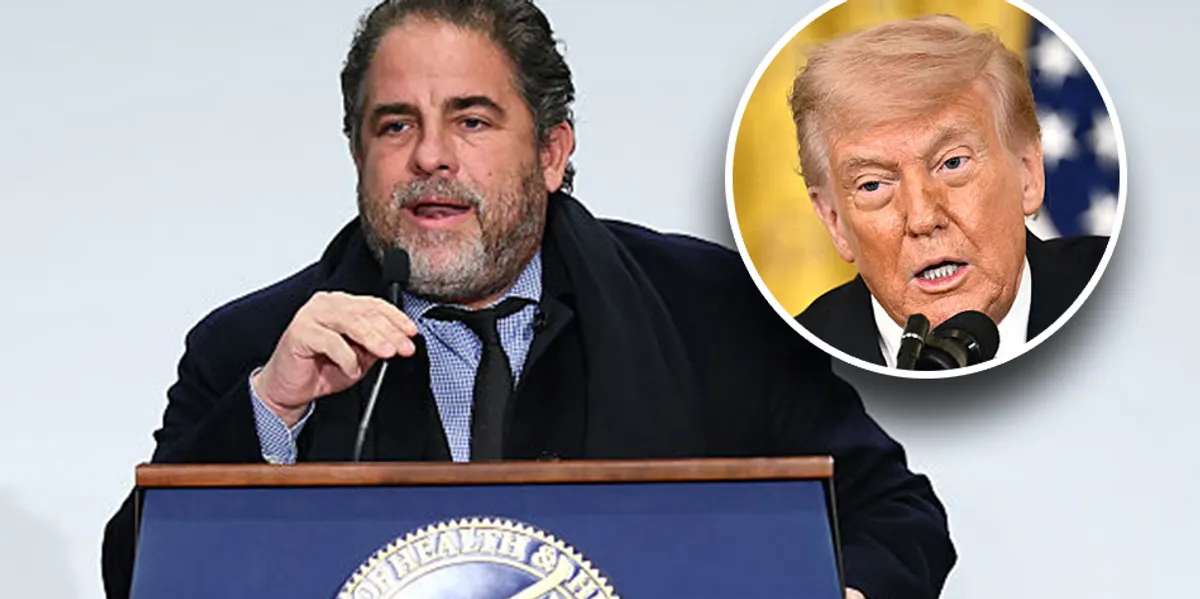
A surprising name showed up on Air Force One for the China trip: director Brett Ratner joined a high-profile business delegation that included major tech and finance figures, and he says he’s scouting locations for a long-talked-about “Rush Hour 4” that President Trump has publicly encouraged. The move mixes culture, commerce, and diplomacy in a way that has supporters cheering and critics raising eyebrows.
Brett Ratner was seen on the presidential plane by a member of the traveling press pool, traveling with people like Elon Musk and the outgoing Apple chief. The director, known for both blockbuster action films and recent controversy, is reported to be using the trip to scope out potential sites for the next “Rush Hour” installment. “Brett Ratner is traveling on Air Force One. Just spoke to him.”
Ratner’s recent work includes producing the first lady biopic “Melania,” a project that put him back in the headlines after a quieter period. According to his spokesperson, this will be his first time filming in China and the team expects “Rush Hour 4” to start shooting in 2027. For supporters, the idea of a big comedy-action revival tied to American filmmakers is a welcome sign of cultural confidence and international collaboration.
President Trump has been vocal about wanting to revive raucous comedies and classic action fare, urging studios and producers to bring back franchises that used to draw packed theaters. He’s even name-checked old favorites while pushing for a modern take on crowd-pleasing entertainment. The administration’s cultural push fits a larger Republican theme of valuing American storytelling and big-screen spectacle.
Ratner’s past is complicated. The director faced a wave of allegations during the #MeToo era, and in 2017 six women accused him of “sexual misconduct,” a moment that chilled some studio interest and altered his career path. Despite that history, he’s continued to find opportunities in production and to pitch new projects, and his presence on a presidential delegation signals a level of rehabilitation in certain circles.
Once an A-list action director, Ratner’s profile cooled after those accusations, with only intermittent credits since producing the true-crime film “Georgetown” in 2019. The prospect of filming in China represents both a business gamble and a chance to re-enter mainstream big-budget action filmmaking. Industry watchers will be tracking whether studios, insurance underwriters, and international partners are ready to greenlight a high-profile franchise return under his oversight.
Officials and spokespeople offered little public comment about Ratner joining the trip, and the White House did not immediately respond to requests for confirmation of roles or responsibilities. The delegation itself was heavy on tech and finance names, signaling a diplomatic focus on trade, investment, and semiconductor-era partnerships. Beyond the film talk, executives from major companies were on the trip to talk deals and strategy in a shifting global marketplace.
Other business leaders reported on the trip included top executives from chipmakers, investment firms, and multinational industrial companies, all of whom bring real commercial weight to a state visit. That mix of creators and capital looks intentional: culture sells, and commerce moves markets, so combining them makes sense from a pragmatic, Republican-leaning policy angle. Whether that combo turns into a rebooted franchise or just a headline, it’s proof that the Trump team is willing to mix show business with statecraft in ways that energize supporters.
The film world will want to see clear production plans, talent attachments, and financing before declaring a comeback, and audiences will be the ultimate judge of whether a new “Rush Hour” can recapture the franchise’s old charm. For now, the optics of a Hollywood director scouting locations aboard Air Force One deliver a bold statement: the administration is putting cultural projects on the same table as trade and tech, and that approach will keep conversations—and controversies—alive.
