
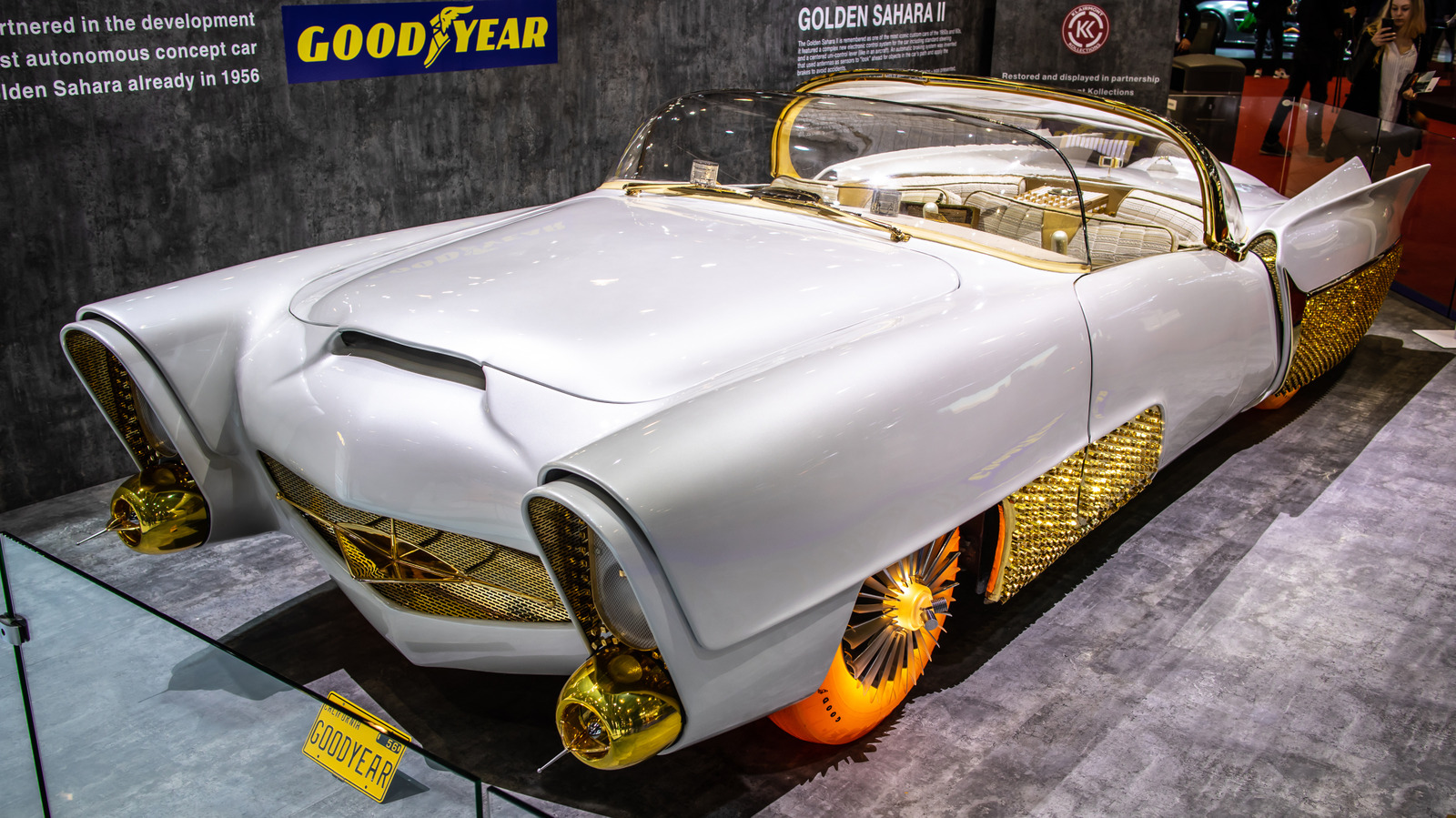
Goodyear’s 1950s experiment with translucent tires that could be lit from the inside sounds like a midcentury fever dream, and this piece explains the practical reasons it never left the drawing board. We’ll look at the idea’s appeal, the materials and engineering problems, the safety and regulatory hurdles, and why aesthetics lost out to function for everyday rubber. Expect clear, concrete reasons rather than marketing fluff.
The idea itself was irresistible: imagine cars glowing from the wheel wells, a chrome-and-neon spectacle for an era obsessed with futurism. It fit a cultural moment when designers toyed with everything from tailfins to space-age dashboards, and lighting the tires would have been a bold, attention-grabbing flourish. That glam factor is exactly why the idea surfaced, but aesthetics alone rarely carry a tire to market.
The first big problem is material science. Regular tires owe most of their strength and longevity to carbon black and other reinforcing fillers that also make rubber opaque and black. Substitute fillers or clear polymers can look cool, but they usually sacrifice critical properties like tensile strength, abrasion resistance, and UV stabilization. In short, making a tire translucent without crippling its mechanical performance was a steep ask with 1950s chemistry and remains difficult even now.
Engineering a light source inside a rotating tire is another headache. Any internal lighting needs to survive constant flexing, centrifugal forces, temperature swings, and exposure to road chemicals and moisture. Wiring, batteries, or bulbs inside a tire create sealing and maintenance nightmares, and they add weight that negatively affects ride quality and balance. The result would be more frequent service, compromised reliability, or both—issues consumers and regulators would not accept for safety-critical equipment.
Tire performance is unforgiving. Tread compound, internal construction, and sidewall design are all tuned to deliver grip, heat dissipation, puncture resistance, and even tread life. Altering polymers to preserve transparency can wreck those tradeoffs, producing tires that wear faster, run hotter, or lose traction in wet conditions. For a product that must protect people at highway speeds, those are non-starters compared to a purely cosmetic payoff.
Then there are manufacturing and cost realities. Tires are mass-produced on tight margins and must meet consistent quality across millions of units. Exotic translucent materials, precision sealing for built-in lights, and extra balancing steps would have driven up production complexity and scrap rates. Buyers in the mainstream market typically won’t pay a steep premium for illuminated wheels, especially when the novelty wears off and replacement costs loom.
Regulation and liability added another practical wall. Road safety standards and testing protocols are strict for a reason, and any new tire concept must clear extensive performance and endurance tests. Introducing novel materials and electrical components inside a tire complicates certification and opens new avenues for legal risk if something goes wrong. For a company that supplies tires globally, the compliance burden alone can kill otherwise intriguing ideas.
That said, the translucent tire concept left a mark. The notion surfaced in shows and concept cars as a playful exploration of form over function, and the lessons learned nudged designers toward safer, more practical ways to make cars stand out. Lighting migrated to bodywork and undercar kits where it doesn’t compromise critical systems, and tire-makers continued to innovate in areas that actually matter to drivers, like rolling resistance and wet traction. The glowing-tire fantasy belongs to an era of wild ideas that tested boundaries but ultimately bowed to engineering reality.
