
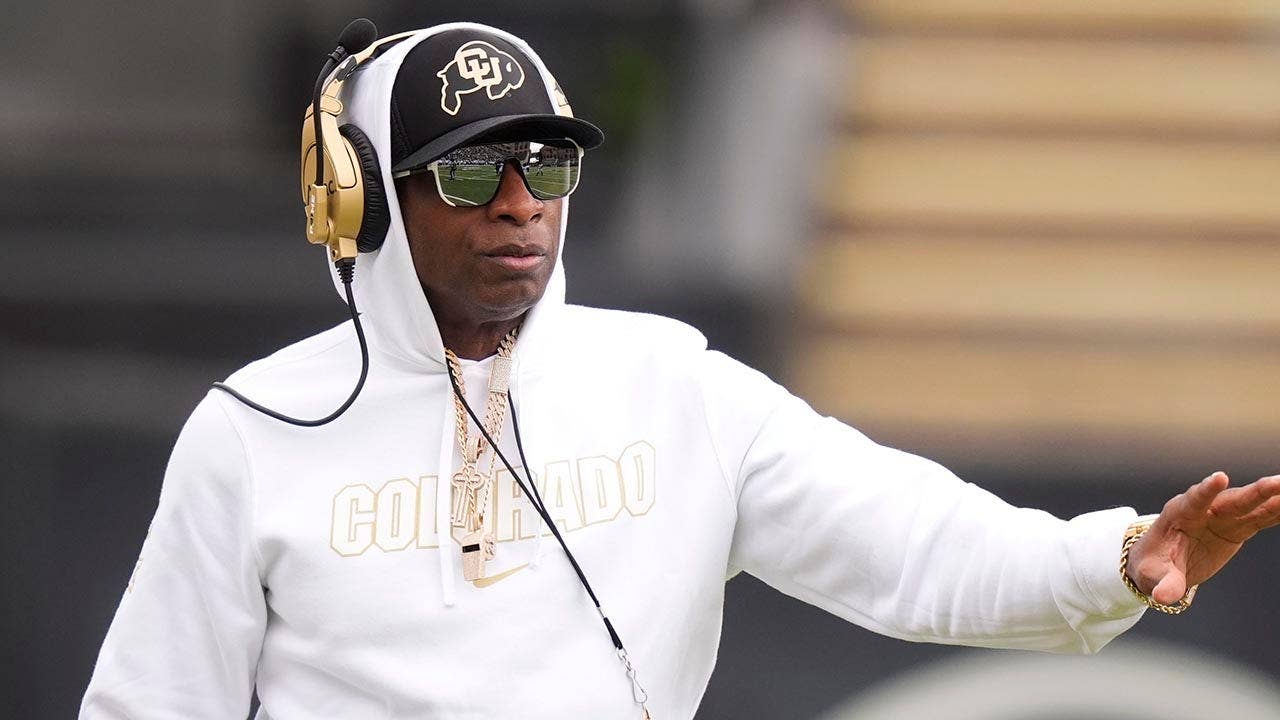
Deion Sanders stepped into a tight moment after his son Shilo’s “sandwich” comment toward NFL reporter Mary Kay Cabot sparked reactions, and he made it clear he was speaking up for family. The coach’s response landed in a media swirl, mixing protective instincts with the realities of public scrutiny. This piece looks at what Deion said, why it mattered, and how these flashpoints play out when football, family, and reporters collide.
The exchange started with a comment from Shilo that many saw as dismissive of a reporter’s question, and the word “sandwich” became shorthand for the moment. Fans and media quickly picked it apart, drawing opinions from across the sports world. In the middle of that noise, Deion chose to address the situation directly, and his approach was as much about tone as it was about content.
Deion framed his intervention as a defense of his brother, saying he spoke up because family matters come first. That simple stance reframed the debate for many supporters who were quick to judge Shilo without seeing the full context. Whether you agree with his method or not, Deion’s move reminded people that public figures often react instinctively to protect their own.
Critics argued that public personalities need to handle pressure differently, especially when media relations are part of the job. Reporters like Mary Kay Cabot operate in a role that demands tough questions, and athletes or coaches who clash with that role risk stoking prolonged controversy. Still, there is a human side to these exchanges, and Deion’s defense highlighted the emotional stakes that can be overlooked in headlines.
What this episode also shows is how quickly a single word can take on outsized meaning in the age of rapid coverage. The term “sandwich” moved from offhand remark to viral talking point almost overnight, and the debate shifted from content to spectacle. Social channels and talk shows amplified reactions, turning a brief moment into a wider conversation about tone, respect, and accountability.
Moving forward, both sides can take lessons from the friction. For media, clarity and persistence in asking the tough questions remain essential, but so does recognizing context and tone. For athletes and their families, understanding the microscope they live under is part of modern sports life, and handling friction with composure can prevent sparks from becoming fires. Deion’s choice to speak up for his brother was personal and public, and it underscores how closely connected those worlds have become.
