
Washington is quietly asking Detroit to do what it has done before: shift from civilian cars to weapons-grade production to shore up America’s defense supply. The Pentagon is meeting with Big Three leadership about capacity, timelines, and whether commercial factories can be pressed into high-volume military manufacturing. This is about more than contracts; it’s about national readiness and whether our industrial base can meet the demands of modern conflict. Expect pressure, planning, and tense choices for automakers already stretched by other priorities.
The conversation in Washington isn’t hypothetical. Ongoing fights overseas have exposed a hard truth: current stockpiles and production rates don’t match the pace of modern warfare. When munitions, drones, and advanced systems are consumed faster than they can be produced, leaders start looking for industrial firepower beyond the usual defense firms. That’s where Detroit comes in, not because it’s fashionable, but because it can mass-produce at scale.
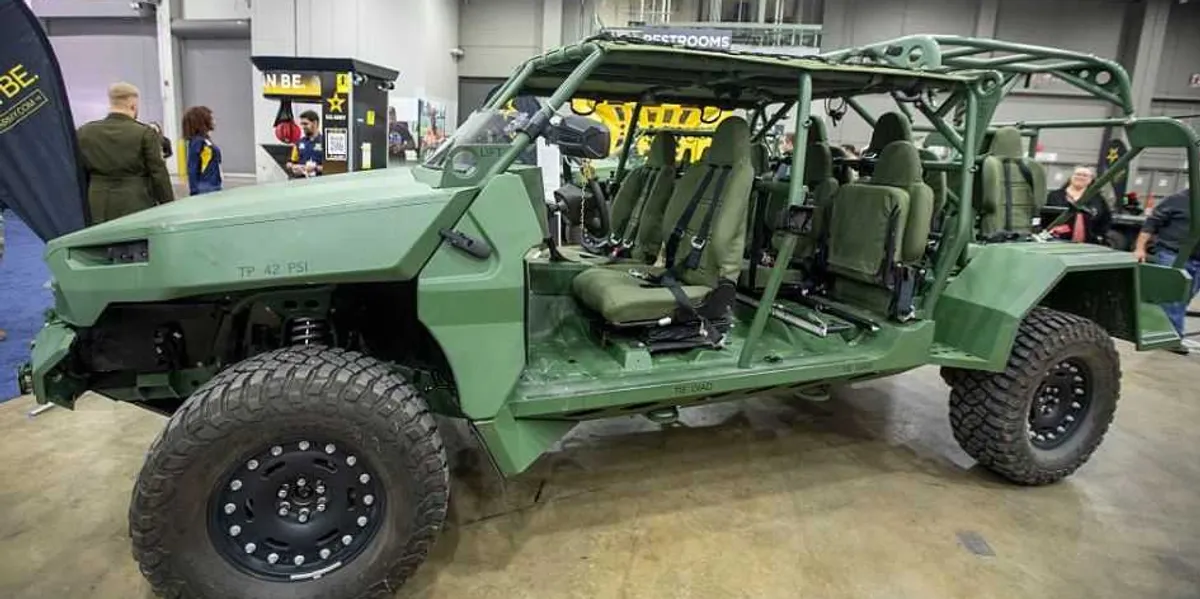
GM is expected to compete for a major Army contract to develop the next-generation infantry squad vehicle, a platform designed to replace the aging Humvee. That sentence matters because it signals the type of projects under discussion—vehicles that are central to battlefield mobility and command. If Detroit steps up, these projects could become a meaningful slice of production and revenue for automakers. It also ties civilian engineering directly to battlefield capability.
This outreach isn’t the usual trade chatter. It’s a signal: the Pentagon needs producers that can pivot, and fast. After years of pushing the industry toward electrification at great expense, policymakers are asking whether those same plants can be refitted for defense work. For Republicans, the argument is simple: bolster capacity, reduce dependency on a handful of contractors, and secure supply chains that support American forces.
There’s historical precedent for this kind of shift. During World War II, car plants traded civilian lines for tanks, aircraft parts, and engines, and the result was decisive industrial output. Recent examples are closer to home—during the pandemic, American auto factories rerouted to build ventilators and medical gear in short order. Those episodes proved one thing: when the nation calls, manufacturing can move quickly if the will is there.
Practical questions follow immediately. Can assembly lines be retooled without collapsing consumer vehicle schedules? Do suppliers have the quality and certification systems that defense work demands? And can workforce training scale up to meet the exacting standards of military hardware? These are not rhetorical concerns; they are budget, schedule, and logistics issues that will determine if this plan succeeds.
There are firms already bridging the gap between commercial builds and military needs, which shows the model can work. Some companies operate defense subsidiaries that adapt civilian platforms for tactical purposes, offering a proof of concept. Those examples suggest the pathway exists, but scaling it across full production runs raises a new set of complications that require serious planning and investment.
Economics complicate the story. Automakers are navigating cooling sales and tighter margins while swallowing massive capital expenditures for new technologies. For many, defense contracts are attractive: steady, long-term government revenue that can offset the volatility of consumer demand. From a Republican perspective, leveraging government procurement to strengthen American industry is smart policy if it’s done transparently and efficiently.
The technical and regulatory hurdles are significant. Military manufacturing requires compliance checks, rigorous testing, and procurement cycles that can last years. Factories would need new tooling, workers would need specialized training, and supply chains would have to meet defense-grade specifications. This is not a cosmetic pivot; it is a serious industrial transformation.
Still, manufacturing has proven adaptable under pressure, and that adaptability matters when national survival is at stake. Defense leaders are talking about a “wartime footing” in manufacturing readiness, a phrase that signals planning for sustained high-volume output rather than one-off surges. That kind of posture is about preparedness and resilience more than immediate alarmism.
The Pentagon’s proposed budgets reflect the scale of what’s being imagined, with large allocations for munitions, drones, and next-gen battlefield tech. Money alone won’t solve the capacity shortfall, but it can create incentives and contracts that justify retooling. Republicans favor using procurement as a lever to rebuild American industrial capability and to ensure we aren’t solely dependent on a few suppliers or foreign sources.
There are tradeoffs. Redirecting civilian production toward defense could affect vehicle availability, pricing, and long-term business models for automakers already in transition. Policymakers must weigh national security benefits against consumer impacts and industry health. The goal should be to expand capacity without needlessly disrupting the civilian economy.
Timing makes the discussion urgent. These talks reportedly predate recent geopolitical spikes, but current tensions only amplify the need for planning. If demand spikes tomorrow, the ability to surge production will depend on decisions made today. That requires clear expectations from Washington and realistic timelines from industry.
Some automakers are already better positioned than others to take on a larger defense role. Existing defense arms within major firms show how automotive platforms can be adapted with efficiency and speed. Those examples make the proposal credible, though far from easy to implement at the scale the Pentagon may demand.
For Republicans, the underlying principle is straightforward: secure the country by strengthening the industrial base at home. That means supporting manufacturers, cutting bureaucratic friction, and ensuring procurement rewards capability and speed. If Detroit can be a strategic force multiplier, the nation should plan for it rather than be surprised by shortages when it matters most.
The next steps will likely include more feasibility studies, clearer contract signals, and pressure from Washington for readiness. This isn’t a plea; it’s a directive to prepare. The stakes are too high to treat industrial capacity as an afterthought, and Detroit could be central to solving a challenge that touches the heart of national security.
 Donato Fasano/Getty Images
