
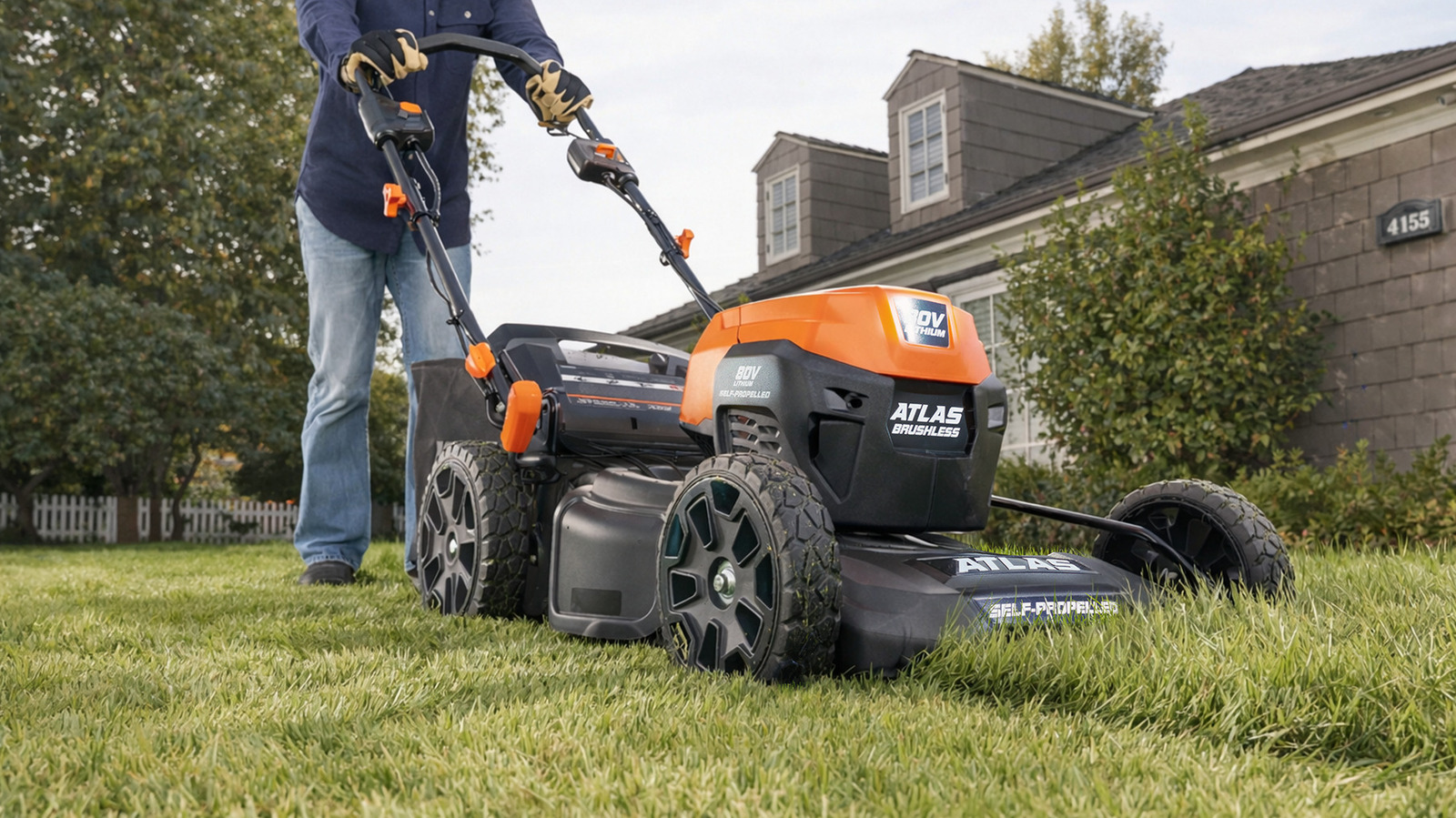
Harbor Freight’s Atlas lawn mower delivers a clear value pitch: solid features at a hard-to-beat price. This piece walks through how the Atlas stacks up against established brands, what it gets right, and where rivals still pull ahead. If you’re weighing cost against long-term ownership, these are the trade-offs to know before you buy.
The Atlas model line tends to emphasize bang for the buck, offering welded-deck construction, optioned engine choices, and a feature set that mirrors more expensive machines. For buyers who care most about getting a full-size machine without a premium sticker, that approach is compelling. The caveat is that savings often come from simpler finishing, less dealer support, and fewer frills designed for commercial use.
On the other side, mainstream competitors bring decades of refinement and a nationwide parts and service footprint. Brands from national manufacturers typically invest more in sound dampening, ergonomics, and proven transmission systems, so they deliver a quieter, smoother ride under repeated use. Those advantages show up over the life of the mower, especially if you expect heavy annual hours or want high resale value down the road.
Cut quality and deck design are where differences become obvious on the lawn. The Atlas will cut well when tuned and used on a typical suburban yard, but premium decks and spindle assemblies from larger brands resist warping and maintain consistent mulching and bagging performance longer. If you care about crisp stripes, fine mulching, or frequent mowing on uneven turf, the upgrade in deck rigidity and blade geometry from an established marque is noticeable.
Maintenance and parts availability are practical, everyday concerns that shape ownership cost. Atlas machines are often assembled with commonly sourced components that independent shops can service, and parts are usually affordable. Still, branded machines benefit from manufacturer certification, dedicated dealers, and accelerators like scheduled maintenance plans; those offerings reduce friction when something goes wrong and can be decisive for less mechanically inclined owners.
Usability matters too. Controls, seat comfort, and deck adjustment mechanisms vary a lot between a value-oriented mower and those geared toward premium buyers. Atlas models are typically straightforward and DIY-friendly, but they sometimes trade convenience features for simplicity to keep price low. If you prioritize effortless height changes, a plush seat for long mowing sessions, or intuitive control layouts, that ergonomic investment is more common on higher-tier competitors.
When the Atlas is the right choice, it’s usually because you want maximum features per dollar and you’re comfortable doing occasional tweaks or minor repairs yourself. Choose a competitor if you want a quieter machine, a stronger service network, or a mower built for heavy, frequent use with long-term resale in mind. Before committing, test-ride the machines you’re considering, inspect deck construction and spindles, confirm warranty coverage in writing, and factor in labor and parts access over a five-year span to compare true ownership cost.
