
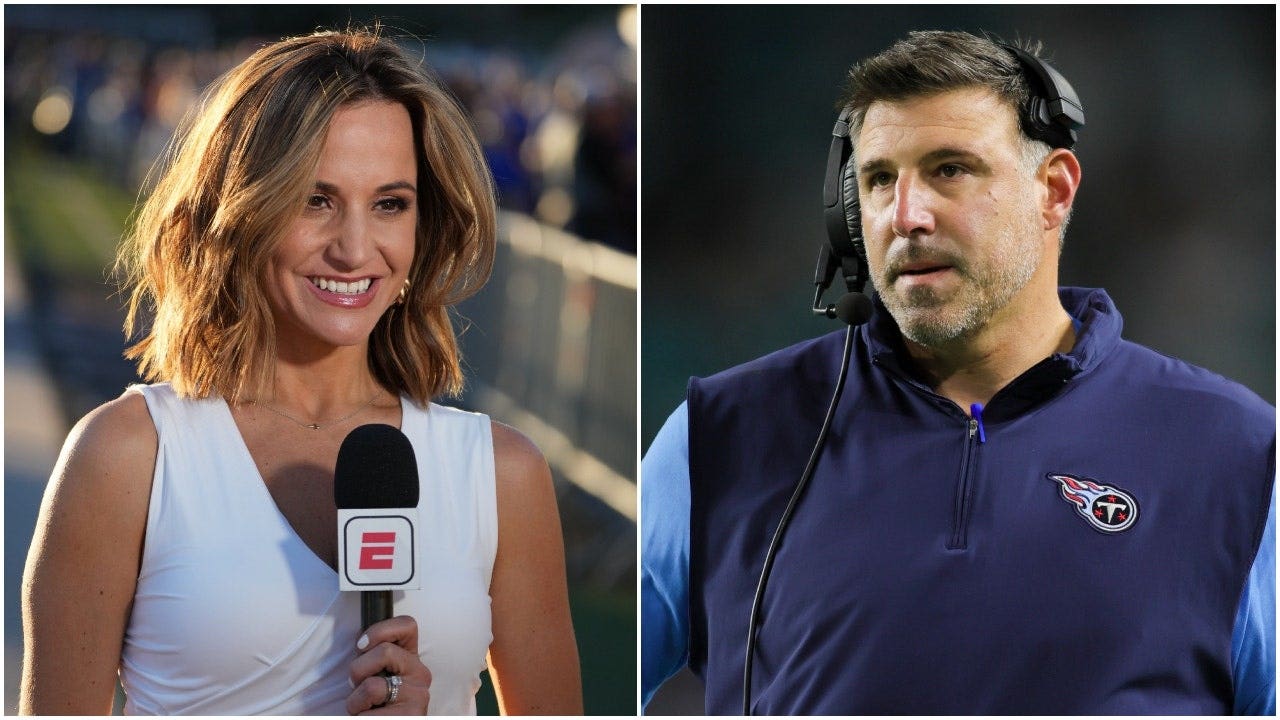
The NFL has pushed back on suggestions that off-field headlines steered its marquee scheduling choice. Executives insist the Mike Vrabel-Dianna Russini scandal had no role in decision to schedule the Patriots for the 2026 kickoff game against the Seahawks, and league sources are pointing to ratings, rivalries and logistics as the real drivers. This article looks at how those decisions are made and why the league says controversy was not a factor.
NFL scheduling is a meticulous exercise that blends TV math with geography and competitive balance. Networks pay huge sums for opening-game rights, so the league prioritizes matchups that promise national interest and big audiences. That calculus often favors established brands like the Patriots and marketable opponents like the Seahawks, regardless of whatever stories are trending that week.
League officials tell reporters they evaluate long-term strategic goals when picking the season opener, not knee-jerk reactions to headlines. The kickoff game is a showcase event that launches the narrative for an entire season, so stability and predictability matter. A single scandal, the league argues, does not outweigh contractual obligations and the need to put its best product on primetime television.
There are practical constraints beyond ratings that shape the choice of teams for opening night. Stadium availability, travel logistics, and even team bye weeks play into the final calendar. The NFL also coordinates closely with broadcast partners to maximize audience windows, which often means selecting teams with national followings rather than those tied to a specific controversy.
Fan reaction and media chatter can influence the conversation, but executives say those are secondary considerations. In today’s 24-7 news cycle every roster move or personnel story becomes a headline, yet the league insists it has to make decisions that stand up across an entire season. Choosing a kickoff game is more like placing a bet on sustained interest than reacting to a flash of attention.
Sports business analysts note that opening games are negotiated months in advance, limiting how much last-minute events can change outcomes. Promotional campaigns, sponsorship deals and broadcast schedules are set well before the first whistle, meaning the league would face costs and headaches if it tried to rework the matchup on short notice. That structure supports the NFL’s claim that scheduling is a calculated process, not a publicity response.
That said, perception matters. Critics and local fans sometimes see scheduling choices through the lens of current controversies and assume causation. The league’s communication team has been working to tamp down that narrative, emphasizing the procedural reasons behind the Patriots-Seahawks selection. Officials hope clarity about timelines and criteria will reduce the temptation to read scandal into routine business decisions.
Teams also care about fair competition and avoiding unnecessary distractions, so franchises typically prefer a clean lead-in to the season. Coaches and players train for the on-field task, and many inside the league argue that allowing off-field stories to dictate scheduling would set a problematic precedent. The claim that the Mike Vrabel-Dianna Russini scandal had no role in decision to schedule the Patriots for the 2026 kickoff game against the Seahawks is the league’s concise rebuttal to those who suggest otherwise.
Ultimately, the kickoff game will be judged by what happens on the field and how it performs in the ratings. If the matchup delivers excitement and strong viewership, skeptics will likely move on. If it flops or breeds controversy, the scheduling process will be examined again, but for now the NFL is standing by the reasons it gave for the choice.
