
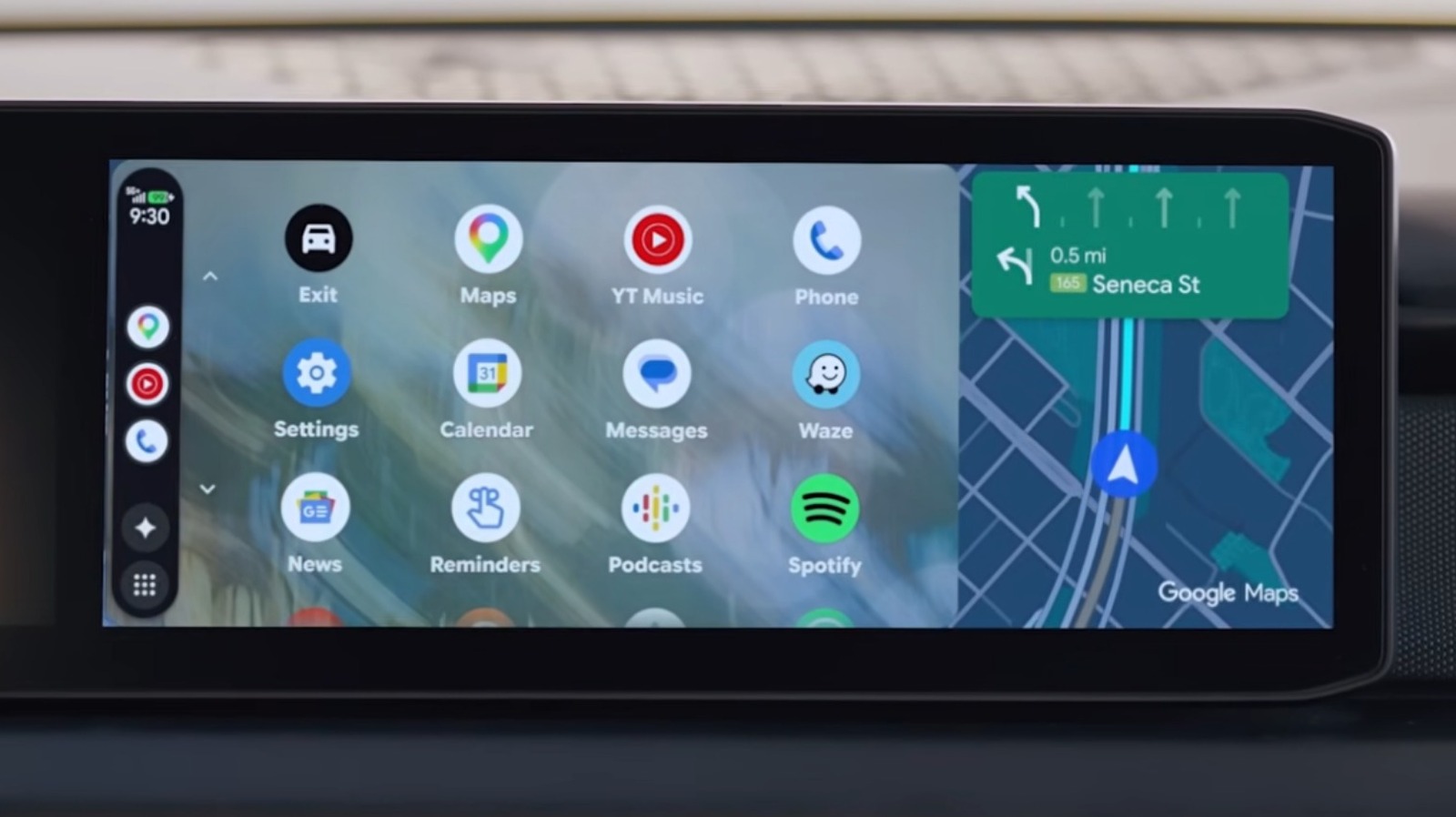
Google’s Android Auto is gearing up for a big push later this year, bringing a set of updates that aim to tighten the gap with Apple’s CarPlay and reshape how drivers interact with in-car tech. This piece walks through what those improvements mean for everyday driving, how they compare to CarPlay’s strengths, and what drivers and developers should watch for as automakers roll them out. Expect a focus on smarter assistant features, richer displays, more seamless app behavior, and deeper vehicle integration. The overall tone is practical: this is about real changes you’ll notice behind the wheel, not vague marketing promises.
First up is the user experience refresh that insiders say will be more than cosmetic. Android Auto has relied on a fairly rigid card-based layout for years, and the rumored changes lean into more flexible, context-aware screens that display relevant information based on what the driver is doing. That could mean persistent directions during navigation, music controls that shrink but stay accessible, and contextual shortcuts that surface without taking over the whole display.
Voice controls are another pillar of this update, with Google Assistant positioned to act more like a driving assistant than a hands-free novelty. Improvements aim to shorten response times and reduce the need for repeated commands, letting drivers keep their eyes up and hands steady. If Assistant becomes reliably proactive — offering route updates, ETA adjustments, or reminders based on traffic without being prompted — that would be a significant usability win against CarPlay’s tighter Siri integration.
Display and multi-screen support are getting attention too, especially for vehicles with large or split displays. Android Auto has traditionally mirrored a single pane, but new layouts could let media, navigation, and vehicle status live side by side without clutter. Automakers that already offer multiple screens could see a much smoother integration of apps and car functions, which matters because a cohesive display approach makes the system feel like part of the car, not a glued-on phone app.
App behavior and developer integration are shifting toward continuity and performance. Expect developers to get APIs that let apps stay active in the background for a smoother handoff between tasks, or to present info in smaller widgets that don’t distract. For mapping and audio apps, lower latency and better lifecycle management mean fewer reloads and faster transitions — small things that pile up into a noticeably better driving experience compared with older versions.
Privacy and data handling will be part of the conversation, even if Google doesn’t shout about it. As Android Auto reaches deeper into vehicle systems, the platform will need to balance useful data sharing — like battery state in EVs or tire pressure alerts — with clear user controls and transparency. When platforms claim deeper vehicle integration, drivers should expect straightforward settings to opt in or out of sharing specific vehicle diagnostics with apps.
Compatibility and rollout will be the practical challenge for any of these improvements to land smoothly. Android’s strength is diversity: dozens of phone models, dozens of automakers, and multiple head unit suppliers. That flexibility can mean a staggered rollout where some cars get the new features quickly and others wait months. Consumers and fleet operators should check manufacturer timelines instead of assuming an immediate switch over.
From a developer and aftermarket perspective, these changes open opportunities. Better multi-display support and enhanced background APIs mean developers can design richer, safer experiences without worrying as much about app interruptions. Aftermarket head units and infotainment upgrades could adopt newer Android Auto builds later than factory systems, so aftermarket companies will need to plan compatibility tests and firmware updates carefully.
Ultimately the contest with CarPlay is about momentum and consistency as much as raw features. CarPlay benefits from tight integration with iPhone and a predictable behavior across supported cars, while Android Auto’s advantage is sheer flexibility and a larger ecosystem of apps and OEM partners. If Google’s updates deliver the smoother performance and smarter assistant interactions being discussed, Android Auto could feel closer to a built-in car system rather than an accessory, and that would change the day-to-day experience for a lot of drivers.
