
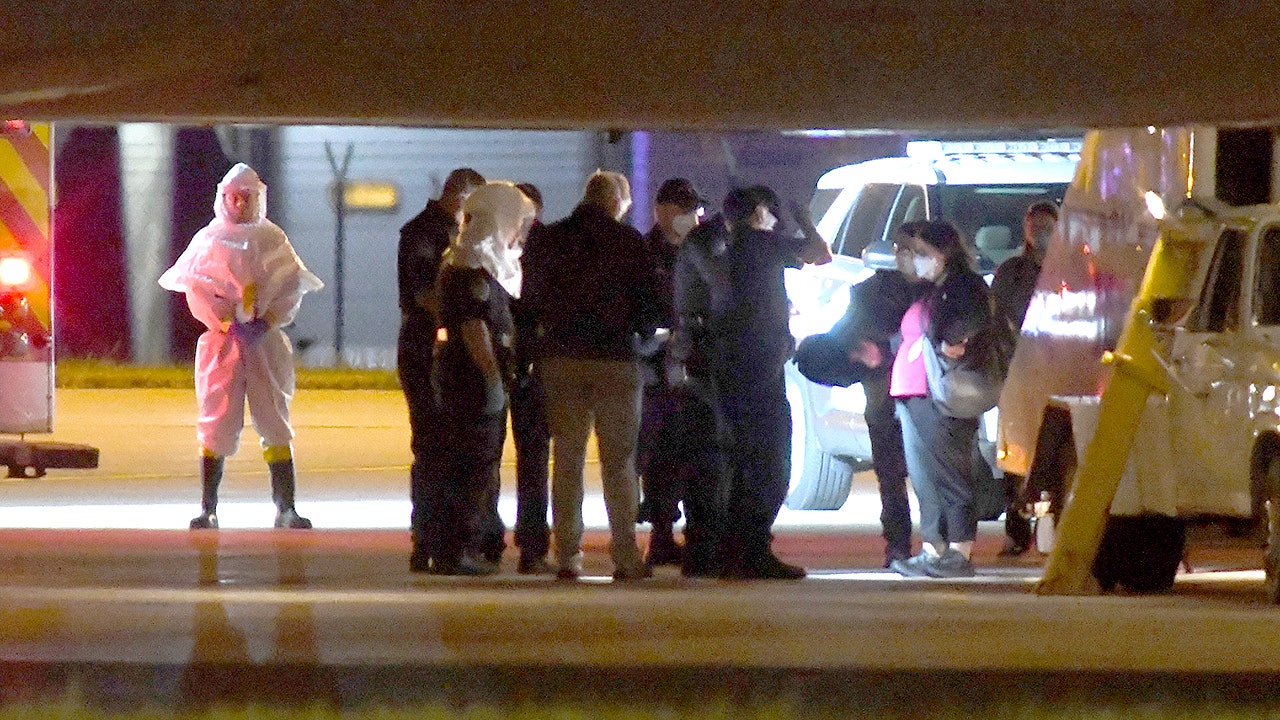
The scenes inside a Nebraska quarantine unit have been shared online by a passenger from the MV Hondius after a hantavirus scare tied to the voyage, offering a rare look at how officials are handling potential exposure while emphasizing that the threat to the public is limited.
One passenger who was flown to Omaha has been posting video from both the ship and the medical facility, giving followers a running account of what quarantine looks like at the National Quarantine Unit at the University of Nebraska Medical Center. The footage circulates while health teams sort through exposure risks connected to the Andes virus, a form of hantavirus linked to recent illnesses. The video material has not been independently verified, but it paints a vivid portrait of life behind the unit’s closed doors.
Health authorities say the monitoring is largely precautionary as they watch for symptoms among people who may have had contact with infected individuals on the cruise. Officials stress that the Andes variant does not transmit easily in casual settings and that sustained, close contact with a symptomatic person tends to be required for spread. That caveat has kept public risk assessments cautious but measured as researchers continue testing and tracing.
The quarantine room in the shared clips looks deliberately simple and practical, with a wall-mounted hand sanitizer dispenser, a thermometer, basic medical supplies and even a stationary bike for staying active during isolation. Small comforts appear to be allowed, and the environment aims to balance infection control with a degree of livability for those staying for an extended period. The visuals underscore how modern quarantine can be clinical and surprisingly manageable at the same time.
CRUISE SHIP PASSENGER DESCRIBES UNCERTAINTY AFTER 3 DEATHS AMID HANTAVIRUS PROBE
“I can have stuff sent here for the duration of my stay, so I’m definitely going to be getting some things for me to feel more at home and more comfortable,” Rosmarin said, describing plans to make the space easier to live in. He told viewers he intends to keep sharing updates as the days go by and that, for now, he is feeling “well.” Rosmarin also indicated that he has not tested positive for hantavirus at this stage of monitoring.
Footage from inside the quarantine unit gives a look at how patients are being observed while public health workers run through their standard checks and protocols. Staff are documenting symptoms, assessing contacts, and planning follow-up testing while patients remain in isolation to reduce any chance of onward spread. Those procedures are part of a layered approach designed to protect both the individual and the wider community during the monitoring period.
CDC SPELLS OUT NEXT STEPS AFTER AMERICANS EXPOSED TO HANTAVIRUS ON CRUISE SHIP
Officials have said some passengers may be allowed to leave the Nebraska facility before a full 42-day monitoring period ends if they meet certain conditions, including remaining symptom-free and being able to safely isolate at home. Local health departments would need to be able to maintain contact with those individuals and ensure quick access to testing and medical care if symptoms arise. Those exit conditions are meant to balance public safety with reasonable flexibility for people cleared to continue monitoring outside the facility.
Of the 18 people brought back to the United States after the outbreak, most are staying in Nebraska while two were transported to Atlanta, reflecting how patient placement varies with clinical need and logistical considerations. Most remain in quarantine, and one person was moved earlier to a specialized biocontainment unit after an earlier test result required heightened precautions. Health teams continue to clarify case statuses and coordinate care, even as they emphasize that community spread remains unlikely under the circumstances described.
Public health experts point out that the Andes virus variant identified in this situation typically needs more intimate contact for transmission, which is why broad community risk is considered low, even while officials take each potential exposure seriously. Travelers stuck in quarantine are documenting their experiences, hospitals are running careful checks, and local health departments are staying ready to act if any new symptoms emerge. The story is still unfolding, and the person sharing video from inside quarantine plans to post more as officials and patients move through the monitoring process.
