
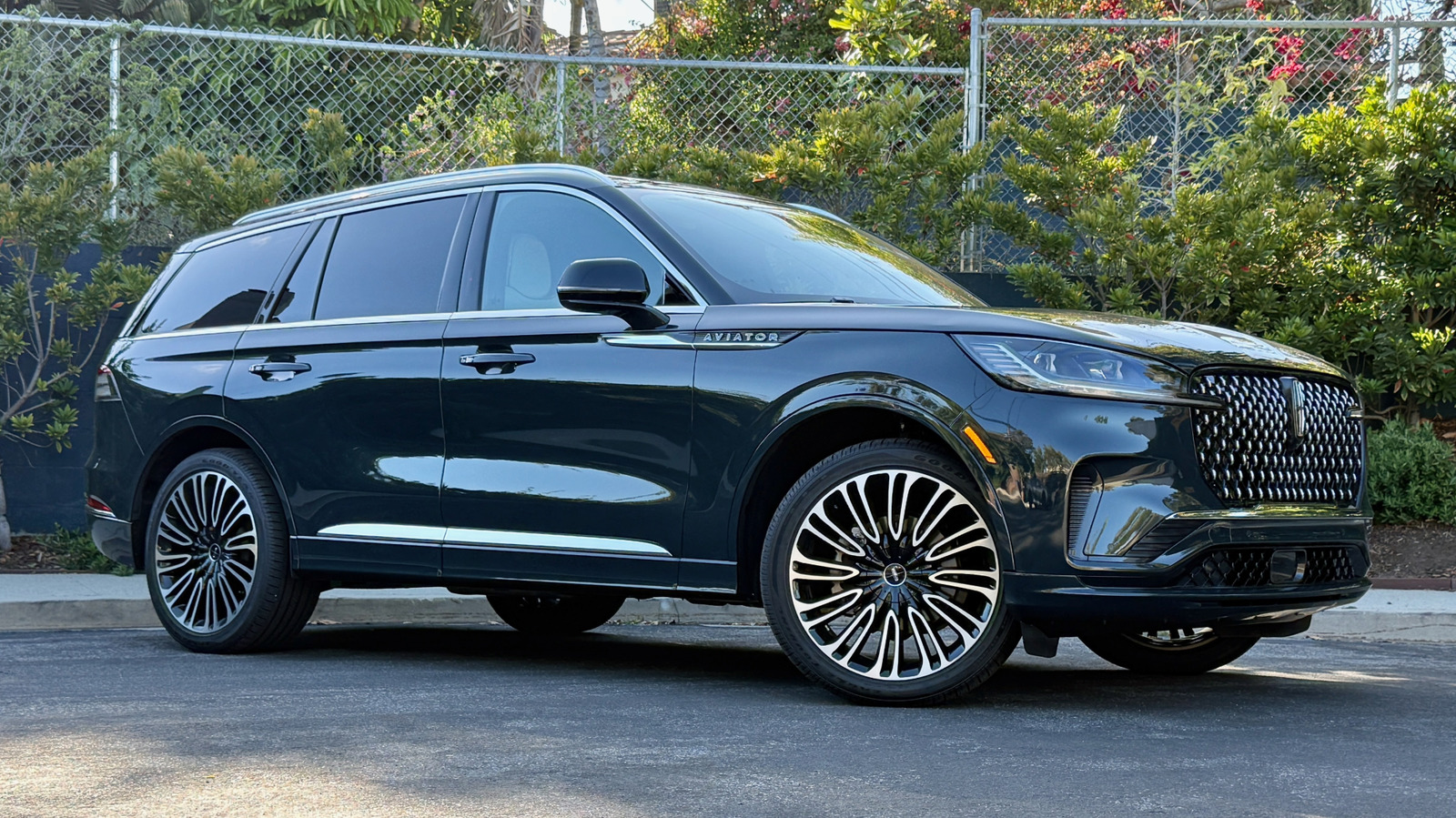
After a week with the 2026 Aviator, this piece walks through why its steep sticker feels defensible, what actually stands out on a daily basis, and which tradeoffs matter most for buyers who are on the fence about splurging for luxury and tech.
The design grabs attention without shouting, and that subtlety matters when the price is high. The Aviator carries itself with a refined presence that feels expensive even before you open the door. That first impression sets the stage for everything else about why the premium tag might be earned.
Slide inside and the cabin makes a strong case: materials feel chosen rather than slapped together, and the layout leans toward calm and clarity. Soft-touch surfaces, thoughtful stitching, and controls that respond without fuss add up to a daily experience that feels worth defending. In short, the interior sells the idea of value through comfort and restraint rather than flashy gimmicks.
Tech is where the Aviator both shines and challenges the buyer. The infotainment is sharp, screens are well-integrated, and driver assists are competent enough to remove stress from long commutes. Still, some of the headline features require option packages, which is exactly how prices creep higher; they’re elegant, but not always standard.
On the road, the Aviator keeps its composure with a balanced ride that favors comfort over taut sportiness. The suspension absorbs imperfections while preserving body control, so it moves confidently through town or on the highway. Steering is predictable and tuned for serenity, which will please owners who prefer composed luxury to corner-carving thrills.
Under the hood, available powertrains deliver smooth, usable thrust without drama, and the hybrid option improves fuel numbers for those who want less frequent trips to the pump. Real-world mileage depends on load and driving style, but the hybrid is noticeably more efficient in mixed use. That efficiency adds a practical layer of value when you tally ownership costs over time.
Practical considerations matter more with a high-priced vehicle, and the Aviator handles them sensibly. Cargo space and rear-seat comfort are both family-friendly, and putting kids or groceries away doesn’t feel like an afterthought. Service costs and insurance will be higher than middle-market SUVs, but the cabin materials and build quality should reduce wear and tear that leads to surprise bills.
Resale and long-term ownership are where the premium argument gets tested, since you pay upfront for features and refinement that may or may not yield higher retained value. Early impressions suggest the Aviator could hold appeal for buyers who prize comfort and quiet, but market demand and how the brand positions future models will ultimately set resale outcomes. For now, the 2026 Aviator makes a persuasive case that a higher price buys a quieter, more comfortable, and deliberately designed daily experience.
