
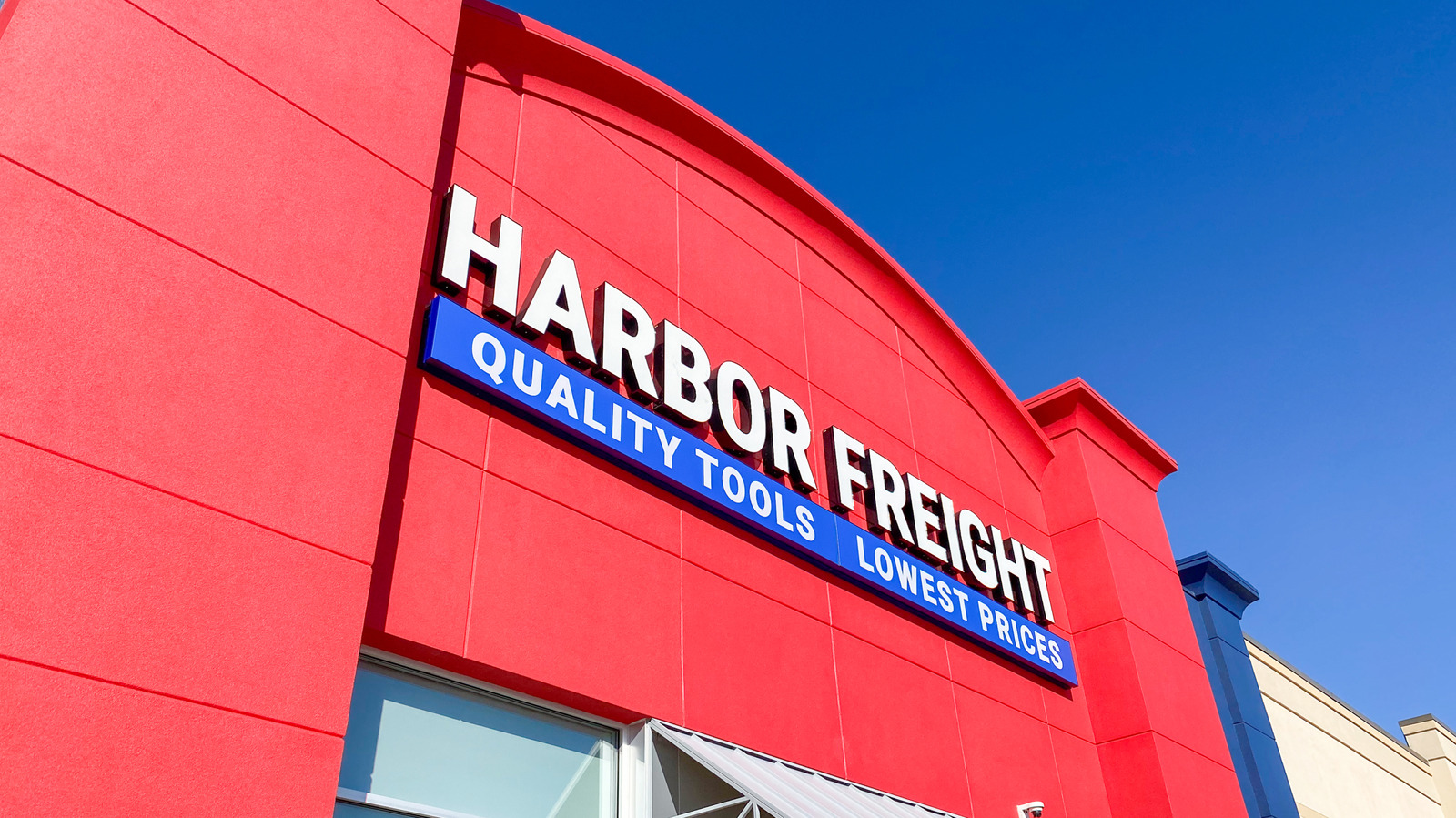
This piece walks through why foldable gear from Harbor Freight is a smart fix for garages that run out of room, how different collapsible tools deliver flexibility, what to watch for when you buy, and simple ways to keep those bargains working hard without occupying precious floor space.
Garages are finite and projects keep multiplying, so compact solutions are not an optional luxury. Foldable equipment gives you usable work surfaces and tool support when you need them, then disappears when you do not. That kind of on-demand utility is the only real way to stay organized in a tight space.
There are a few categories that matter most: folding workbenches and tables, collapsible sawhorses, rollaway carts and stools, and compact creepers or engine stands. Each type solves a specific pinch point while shrinking to a slim profile for storage. Pick the categories that match your typical projects and prioritize those first.
Setup speed is a big part of the appeal. A good folding bench should lock solid and unfold in under a minute, while a set of sawhorses that collapse flat slips between a stud wall and shelving. The real win is being willing to set up and tear down repeatedly because the gear rewards you with quick, reliable performance.
Price matters, and Harbor Freight lives in that budget space. You can get practical, usable designs without breaking the bank, but be honest about expectations. For heavier-duty demands, reinforce joints, upgrade fasteners, or choose the beefier model; small investments in hardware often multiply the life and safety of an inexpensive unit.
Material choice influences both weight and longevity. Steel-framed folding tables and sawhorses give you a more stable work surface, while aluminum variants save weight for frequent moves. Pay attention to hinge design and locking mechanisms; a flimsy lock will make a once-handy table a frustration rather than an asset.
Think about footprint not just when open but when stored. Many foldable pieces are shallow enough to hang vertically on a wall hook or tuck behind tool chests, which keeps them accessible without eating floor real estate. Hooks, horizontal cleats, or a slim wall shelf can turn previously wasted vertical space into a ready staging area.
Maintenance is simple and prevents surprise failures. Keep pivot points clean and lightly oiled, check and retorque exposed fasteners periodically, and replace plastic pins or worn locking clips before they fail. Treat these as tools, not disposable props, and a modest bit of upkeep will keep them working season after season.
Safety is nonnegotiable even on budget gear. Never exceed published weight limits, test locks before loading, and distribute heavy loads across two supports whenever possible. If you need a setup for very heavy engines or long timbers, err on the side of a heavier-duty platform or add bracing to the lighter unit.
Once you get comfortable folding and stowing, the real payoff shows up in how quickly projects start and stop. The fewer obstacles between you and the work, the more likely you are to finish it. Invest a little thought into the layout and your foldable gear can turn a cluttered garage into a flexible, productive workspace.
