
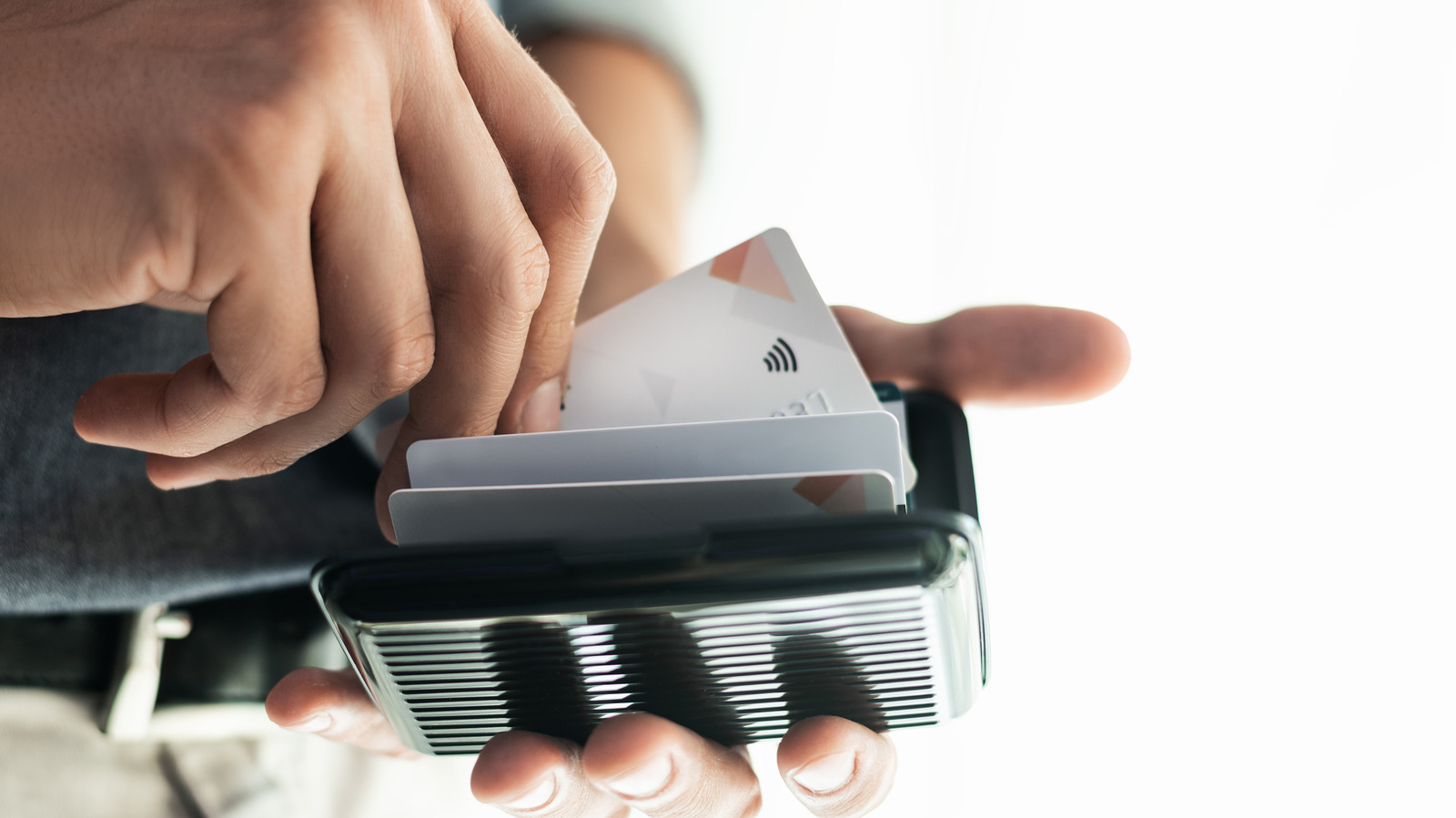
This piece looks at RFID-blocking wallets: what they claim to do, how realistic the threat is, what testing shows, and practical choices for people who carry contactless cards.
RFID-blocking wallets are sold as armor against electronic pickpocketing, promising to stop strangers from reading your card details through fabric. The basic idea sounds plausible and comforting, since contactless transactions use radio waves to communicate. But marketing often compresses probabilities into big, scary statements that deserve a closer look.
First, the actual attack called skimming requires specialized gear, proximity, and a target that makes sense. Fraudsters who do this look for easy gains and rarely run noisy experiments; they prefer card cloning from data breaches or stealing physical cards instead. Real-world incidents of casual passersby grabbing card data with a pocket reader are rare compared with other fraud avenues.
Testing by independent labs and hobbyists suggests RFID-blocking linings do work at blocking simple readers at short range. That said, many modern cards use dynamic cryptography and rolling codes that make intercepted data useless for a duplicate card. So blocking raw radio signals only addresses one narrow slice of a shifting threat landscape.
If you worry about someone hovering a reader near your wallet on public transit or in a crowd, a blocking sleeve or wallet offers cheap peace of mind for minimal downside. It is an inexpensive layer that costs less time and money than cleaning up a compromised account. But for most people, sensible habits like watching where your cards are, using bank alerts, and freezing a lost card provide broader protection.
Buyers should ask practical questions: does the wallet feel sturdy, does it interfere with contactless payments when you want to tap, and is the manufacturer transparent about materials and testing? Avoid wallets that lean heavily on fear-based claims without evidence. A solid wallet that fits your routine and a bank that offers quick dispute resolution beat gimmicks in everyday usefulness.
Financial institutions and card networks also move fast to reduce risk, meaning the underlying danger changes over time. Stronger authentication methods, tokenization, and real-time fraud detection have reduced the payoff for simple skimming attempts. That does not make blocking useless, but it shifts the balance: blocking is now a convenience and reassurance rather than a necessary shield for most users.
For travelers, especially in crowded transit hubs or countries known for pickpocketing, adding a blocking layer can be part of a broader defensive posture. Combine it with carrying minimal cards, using a travel card for daily charges, and enabling transaction alerts. These practical steps stop most attacks before they start and limit fallout if something does go wrong.
Manufacturers sometimes bundle other features with RFID blocking like GPS pockets, cut-resistant materials, or tracking tags. Evaluate those extras on their own merits; a tracking tag can help recover a lost wallet, but it does nothing against data interception. Ultimately, choose what serves actual risks in your life rather than what looks impressive in an ad.
In short, RFID-blocking wallets are neither useless nor universally essential. They are a plausible, low-cost layer against a specific and declining attack vector, and they make sense for people who want extra reassurance in crowded places. Match the product to the threat you actually face and prioritize practices and bank protections that defend the most common routes of fraud.
