
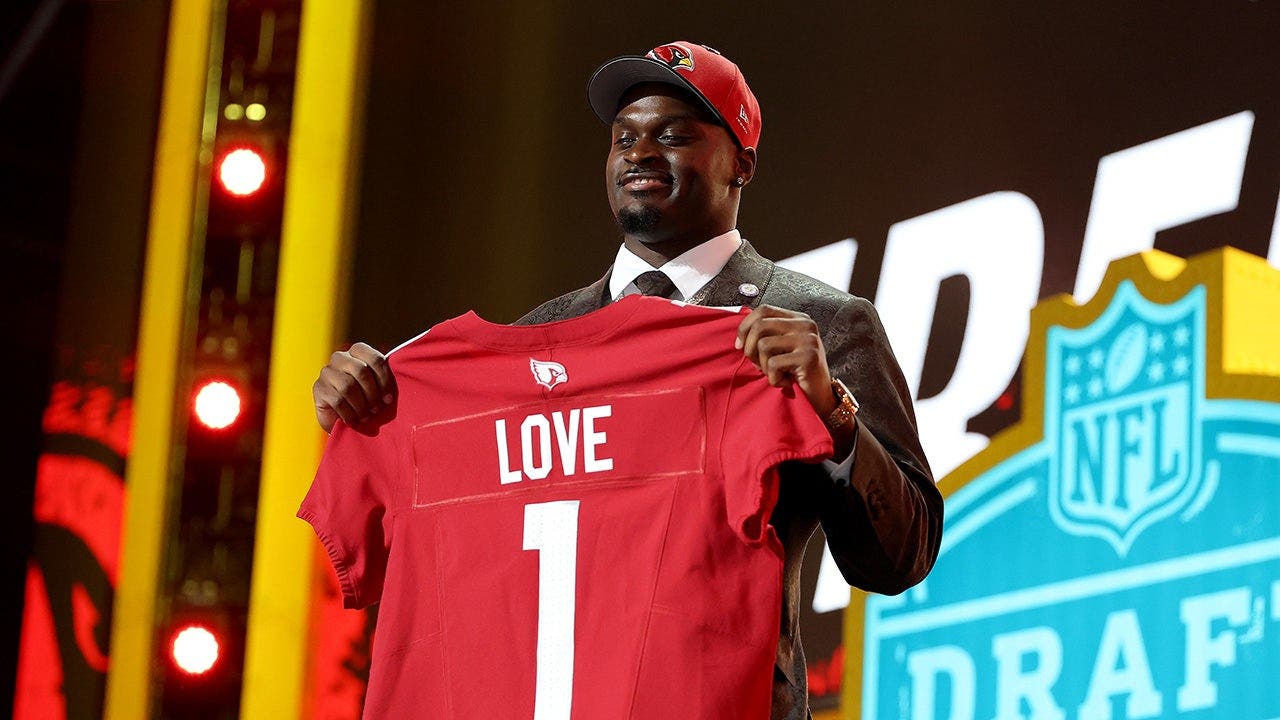
Quick snapshot: a rising running back turned a draft-day thrill into history by signing a landmark rookie deal with the Arizona Cardinals, and that move shakes up how teams value the position and how prospects think about their futures. This article walks through the deal, the context in the NFL market, what it means for the Cardinals, and why this moment might matter to players, agents, and fans alike.
When a team opens its checkbook in a way that breaks precedent, headlines follow and conversations shift. “Jeremiyah Love officially signed his $53 million rookie deal with the Arizona Cardinals, setting the record for guaranteed money for an NFL running back.” That exact line captures the core news, but the ripple effects are what keep front offices up at night and agents dialing for more leverage.
On paper the numbers tell a simple story: guaranteed cash, length of deal, and the market benchmark it creates. Those figures are the language of negotiations, and when a running back nets this kind of guarantee it immediately recalibrates expectations for the position. Teams now have to decide whether to chase similar faith in a single back or to invest differently across the roster.
For the Cardinals, this is a clear statement about priorities and belief in their scouting. Paying a premium to lock in a prospect signals faith in his ceiling and a willingness to build around his strengths. It also carries risk: guaranteed money is paid regardless of performance or injury, and the coaching staff must align usage and play design to justify the investment.
From Love’s perspective, the deal buys security in a sport where short careers and injury risk are constant threats. Rookie guarantees change the calculus for families and players, turning perceived potential into immediate stability. That psychological shift can translate into on-field confidence if the club provides the right environment to develop talent.
Agents and advisors will be studying the fine print and feeding that data back into future negotiations. One high-guarantee rookie deal becomes a negotiating tool for others at the position, and those ripple effects can accelerate across contract cycles. Expect running back valuations to climb, at least among the top prospects, as comparables get refiled and reused in meetings.
The broader NFL market feels this kind of move too. Salary cap management, roster construction, and draft strategy all adapt when a position sees a sudden bump in guaranteed money. General managers will weigh the opportunity cost of committing big guarantees to youth versus spreading resources across trenches and quarterbacks, which are often viewed as more long-term anchors.
For fans, moments like this are simultaneously exciting and divisive. Some will celebrate a bold move that promises dynamic offense, while others will argue the risk outweighs the reward in a league that punishes injuries. Either way, the signing fuels narratives and raises the stakes for a team hoping to convert investments into wins.
Coaches will feel the pressure to maximize return on investment by tailoring schemes and workload management around Love. Smart usage could protect the player and extend his career, while mismanagement might make critics point to the contract as folly. How the team balances snap counts, pass protection responsibilities, and situational deployment will matter a lot.
In the weeks and months ahead, expect a flurry of analysis comparing this deal to recent rookie contracts and veteran extensions. The hard numbers will get parsed, while the softer impacts on team culture and player development will surface in practices and games. Ultimately, a single contract can nudge the landscape, and everyone from decision makers to casual observers will be watching to see if the bet pays off.
