
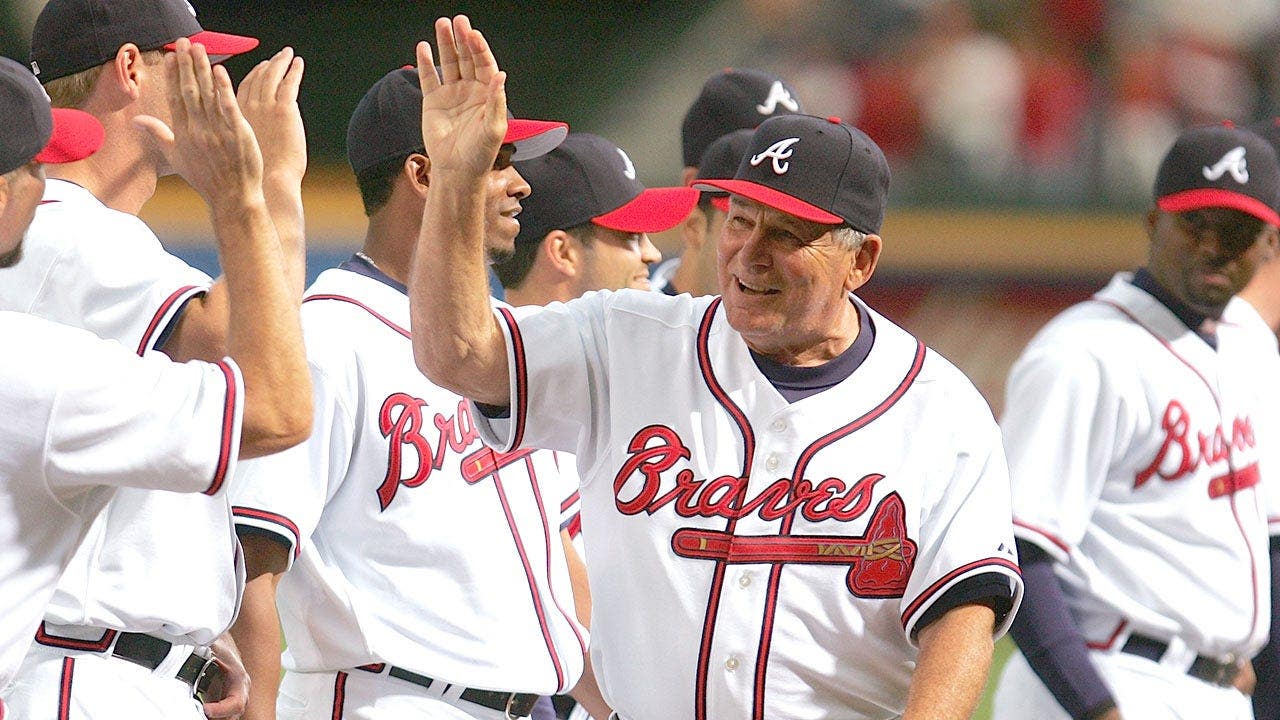
Bobby Cox, the long-serving manager who steered the Atlanta Braves to 14 division crowns and the 1995 World Series title, has died at 84, the team announced. This piece looks at his time with the Braves, the ripple effects of that championship run, and how Cox’s steady hand shaped a generation of baseball in Atlanta.
Cox’s tenure with the Braves became synonymous with consistency. Year after year the team showed up in the standings, turning the franchise into a fixture in October baseball and giving Atlanta a national profile it had not enjoyed before his arrival.
The 1995 World Series stands out as a defining moment. That title was more than a trophy; it marked the end of a long stretch without a championship for the city and gave the Braves an identity built on pitching, defense, and managerial discipline.
Beyond the hardware, Cox’s influence came from how he ran a clubhouse. Players frequently credited him with steady leadership and a calm, confident approach that let talent thrive without drama. That culture proved durable, carrying the organization through rebuilds and playoff runs alike.
Fans remember him as much for his presence on the field as for his results. He built a bond with the city by personifying patience and determination, traits that resonated with supporters who saw the Braves transform into perennial contenders under his watch.
Within baseball circles, Cox was viewed as a teacher and a strategist. He guided pitchers through workloads, handled bullpens with a keen eye, and made moves that often reflected long-term thinking. Younger managers frequently cited him as a model for steady leadership.
His impact extended into the organization itself. Executives and front-office staff learned from the way Cox balanced day-to-day game management with the bigger picture of roster construction. That balance helped the Braves remain competitive across different eras and personnel changes.
The 14 division titles are a clear legacy, but the quieter parts of his contribution mattered just as much. Cox’s ability to keep veterans engaged and to coax development from prospects helped build a continuity that other franchises found hard to match.
As the team announced his passing at age 84, tributes poured in from across baseball. Those messages underscored a simple truth: his fingerprints are all over an era of Braves baseball that reshaped how the city and the sport remember sustained success.
In the record books he will be remembered for championships and divisions, but in day-to-day memories he will be recalled for steady leadership, an insistence on professionalism, and a knack for building teams that could win year after year. The Braves organization and its fans have lost a defining figure.
