
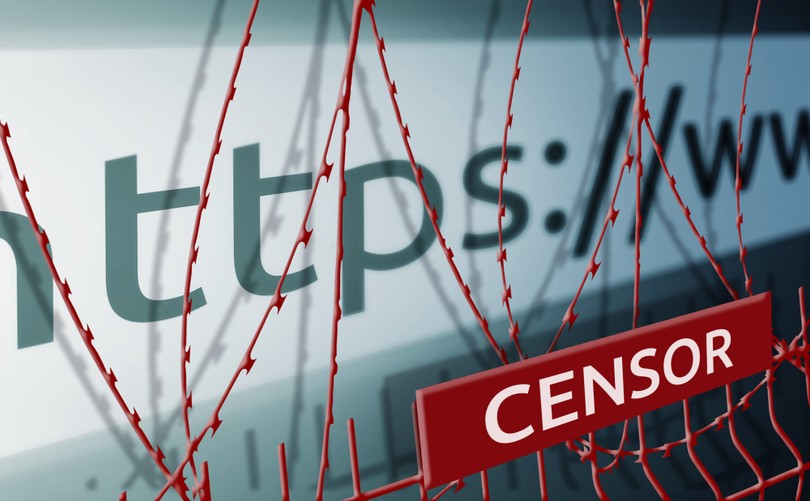
Bill C-22 is back in the spotlight as lawyers and scholars warn it hands too much power to the state to monitor online life, raising sharp questions about privacy and constitutional rights. This piece looks at those worries, how the bill could be used, and why conservatives should be skeptical of sweeping surveillance. The debate is about limits, oversight, and whether the law protects citizens or gives the government a blank check.
A group of attorneys and legal scholars expressed ‘serious constitutional concerns’ that Bill C-22 to monitor and search online digital activity might violate the privacy and Charter rights of Canadians. That sentence captures the alarm: legal minds who understand how statutes read and operate are flagging the basic problem. When experts with no partisan axe to grind raise a red flag, it deserves attention from anyone who values civil liberties and the rule of law.
At its heart, the bill expands authorities to comb through emails, messages, and other digital footprints in ways that were hard to imagine a generation ago. The worry is not about targeted operations against clear criminal suspects, it is about broadly worded powers that can be turned outward in unpredictable ways. Vague language in surveillance laws tends to expand power, and that pressure always falls hardest on ordinary people who lack resources to fight back.
Constitutional protections exist to prevent exactly this kind of creep: privacy, reasonable limits on search and seizure, and judicial oversight are not optional extras. Critics argue that Bill C-22 erodes those guardrails by reducing transparency and widening criteria for accessing private data. From a conservative viewpoint, protecting citizens from state overreach is a core principle, and any statute that leans toward unchecked surveillance should make lawmakers uncomfortable.
Practical harms follow from theory. If people believe their online life can be swept up without solid justification, speech is chilled, investigative journalism is hamstrung, and political dissent can be muted. The effect is subtle at first and corrosive over time; compliant behavior becomes normalized while the power imbalance between citizen and state grows. That is the opposite of a free society and the kind of outcome defenders of liberty should resist.
There are straightforward fixes that do not require sacrificing security: tighten the standards for access, demand real judicial warrants, build in narrow scopes and sunset clauses, and require public reporting on how powers are used. True oversight must include independent audits and penalties for misuse so the law does not become a tool for convenience. Reasonable, conservative-minded governance is about capability plus restraint, not raw authority.
Parliamentarians should treat the warnings from legal experts as a call to reshape the bill rather than race it through. Citizens and lawmakers alike can insist on clear limits, robust safeguards, and meaningful transparency to ensure modern tools do not override constitutional protections. The stakes are simple: if you care about privacy and freedom, the debate over Bill C-22 matters and deserves careful, principled action.
