
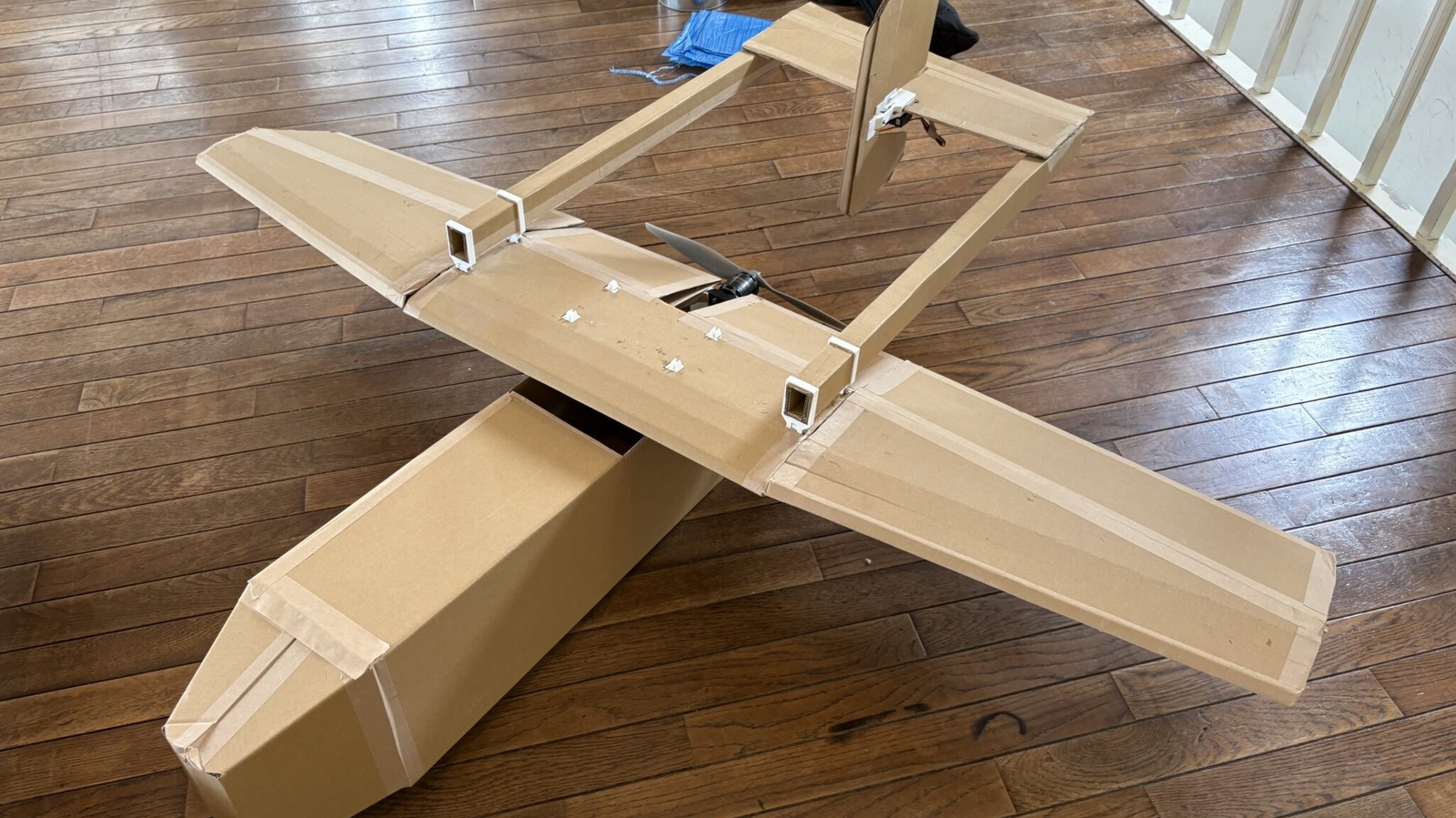
The cheap drone revolution is changing how conflicts play out, and Japan has quietly joined the race by producing some of the least expensive systems yet seen. These tiny, affordable aircraft are built to be simple, mass produced, and effective in roles that used to require much pricier platforms. The result is a new class of tools that shifts the economics of reconnaissance and strike, forcing militaries and planners to rethink strategy and procurement.
What makes a drone cheap is not magic but choices: basic airframes, off-the-shelf electronics, and minimal sensors. Japanese designers seem to have prioritized reliability and repeatability over cutting-edge bells and whistles. That tradeoff means these drones can be produced in volume and replaced easily when lost or damaged.
Manufacturing techniques borrowed from civilian industries play a big role in cost cuts. Injection-molded plastics, 3D-printed parts, and simplified assembly lines lower labor demands and speed output. Using widely available motors, batteries, and radio gear keeps unit costs far below former military standards.
Operational philosophy matters as much as hardware. Instead of one expensive, multi-role aircraft, an operator can deploy dozens of purpose-built drones that each do one job well. This swarm mindset changes tactics because numerical advantage and redundancy can outweigh the loss of individual units.
For reconnaissance, these inexpensive drones offer persistent eyes on the battlefield at very low cost. They can fly short, repeatable missions to monitor movement, confirm positions, and provide real-time imagery to commanders. Their low price makes it practical to use them aggressively without the constant worry of replacing a multimillion-dollar asset.
On the strike side, small drones configured as expendable loitering munitions can impose real costs. When paired with modest warheads or sensors, they become precision tools against soft targets and exposed equipment. The economics are simple: a cheap drone plus a small explosive can achieve effects that once required artillery or expensive precision-guided ordnance.
Japan’s industrial base gives it advantages in producing many of these components domestically. Skilled manufacturers and a culture of quality control mean low-cost items can still meet performance requirements. That domestic supply reduces dependency on foreign parts and lowers the risk of supply-chain interruptions.
Regulatory and ethical questions follow close behind any proliferation of inexpensive drones. Civilian airspace management, export rules, and battlefield law all need to adapt to platforms that are easy to buy and hard to track. Japan’s own legal frameworks and export controls will influence how widely these systems spread internationally.
Adversaries and partners alike will study the implications. For allies, cheap drones offer new tools for deterrence and surveillance without huge defense budgets. For potential rivals, proliferating low-cost drones raises the bar for countermeasures and forces investments in detection and neutralization technologies.
Responding to swarms and mass employment requires innovation in both sensors and electronic warfare. Radar, acoustic sensors, and networked cameras must work together to detect small low-flying objects. Non-kinetic countermeasures, like jamming and directed electronic interference, become attractive because they can neutralize many cheap drones without costly interceptors.
Training and tactics will evolve as these systems enter service in larger numbers. Units will learn to coordinate drone sorties with land and naval maneuvers to maximize situational awareness. Command-and-control protocols will need to be robust so cheap drones enhance rather than complicate decision making.
Civilian industries will feel the ripple effects as well. The same low-cost manufacturing that supplies military drones also supports commercial uses like agriculture, infrastructure inspection, and delivery trials. As civilian demand grows, economies of scale could push military unit costs down even further.
Export potential is a double-edged sword. Selling inexpensive drones can strengthen alliances and create economic opportunities, but it also risks arming actors who may use them irresponsibly. Careful export controls and end-use monitoring will be key to balancing commercial benefit and security concerns.
Logistics are simpler with disposable systems, but supply and maintenance infrastructure still matters. Batteries, spare propellers, and basic repair kits form the backbone of sustained operations. A steady stream of cheap parts is easier to handle than complex overhaul depots, yet it still requires planning and stockpiles.
From a strategic perspective, the main shift is economic pressure. When a force can replace a radar-evading drone for a few hundred dollars, attrition strategies change. Planners must accept that losses are part of the operational calculus and design campaigns that leverage quantity as well as quality.
These developments are not a magic bullet, but they do tilt the playing field. Affordable drones from Japan and elsewhere are practical, flexible, and disruptive in modest but meaningful ways. Expect militaries to adapt tactics, industry to chase greater efficiencies, and policymakers to scramble to keep regulations current.
