
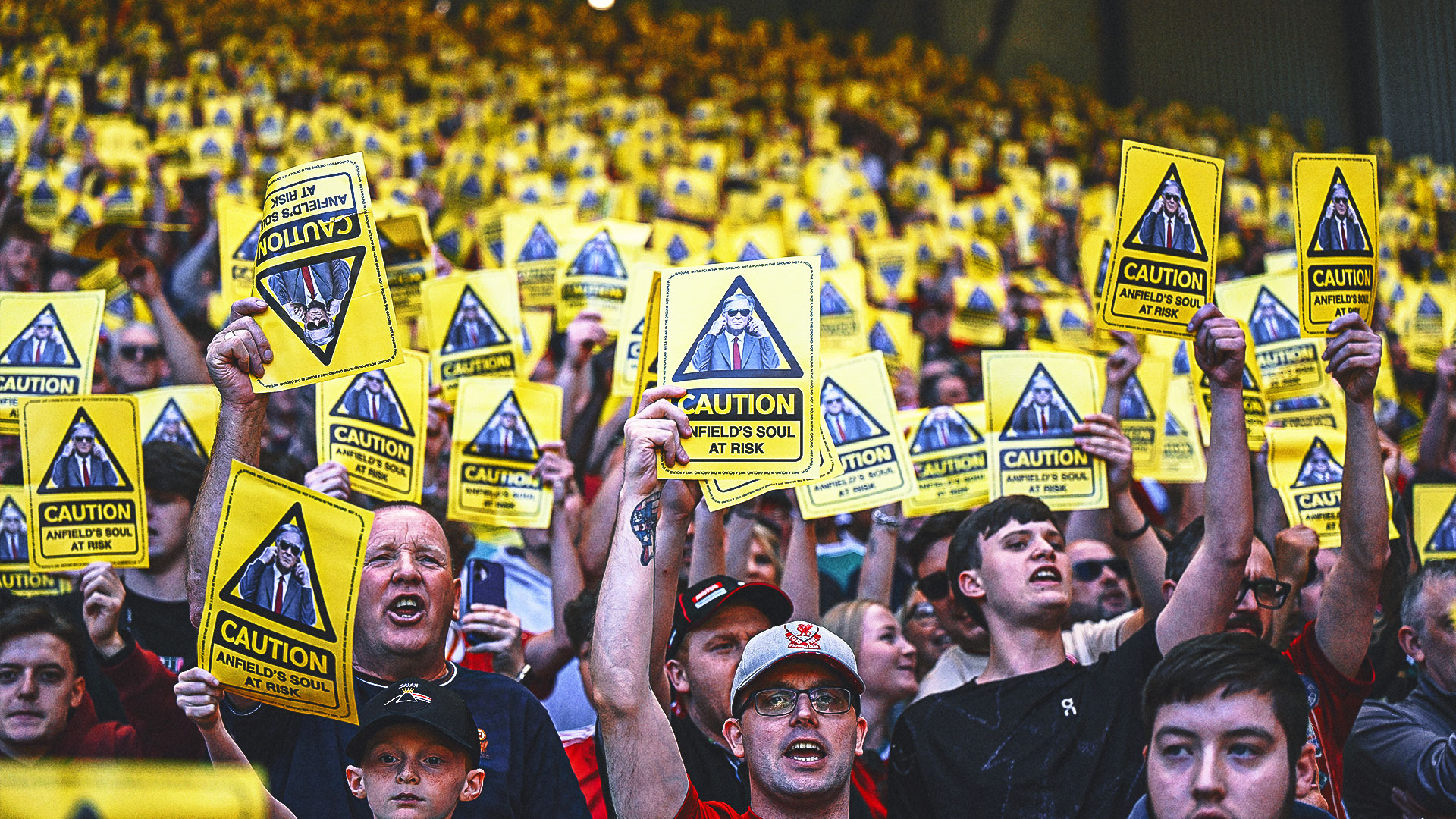
Fenway Sports Group pulled back on planned Liverpool ticket hikes after a wave of fan anger and a separate call for the sale of the Red Sox stirred public scrutiny, a move that highlights how powerful supporters can be when they push back on decisions that touch community identity and matchday culture.
Fans across Liverpool reacted quickly when word spread about higher prices for season tickets and matchday seats, arguing the increases would push loyal supporters out of Anfield. The response combined online outrage with organized protests, showing the club’s customer base still cares deeply about accessibility and atmosphere. That pressure forced the ownership group to publicly rethink a plan that had been framed as a financial necessity.
Fenway Sports Group, which also owns the Boston Red Sox, faced an unusual two-front challenge: anger from Liverpool supporters and a simultaneous call from some Red Sox backers to consider selling the team. That coincidence amplified media attention and raised questions about the group’s priorities and strategy. Public relations quickly became as important as spreadsheet calculations for the owners.
From the ownership perspective, the rationale for raising ticket prices is straightforward: operating costs are up, stadium investments and corporate obligations need financing, and elite clubs chase revenue to stay competitive. But that argument clashes with supporters who see football as part of the social fabric, not just a revenue stream. Owners who misread that line risk deep damage to trust, which can take years to rebuild.
When a club like Liverpool hints at pricing changes, the stakes are about more than cash. Anfield is known for a distinct atmosphere cultivated by long-term supporters who arrive early, sing loudly, and pass the passion on to new generations. If ticketing policies start to displace those core fans, the matchday experience and the club’s identity change as well. Owners ought to weigh those cultural costs alongside balance-sheet gains.
In reacting to the backlash, FSG issued statements stressing dialogue and a willingness to review the approach, a classic move to cool tensions. But words only go so far when supporters suspect decisions were made without meaningful consultation. Effective engagement would mean transparent modeling of costs, stakeholder meetings, and tangible protections for long-term ticket holders.
For clubs that sit on the global stage, there’s also the reputational calculus: alienating a passionate fanbase can become a headline that follows every commercial announcement. Investors and corporate partners notice when tension flares between owners and supporters, because stability matters for brand value and long-term growth. Smart management recognizes that a stadium full of engaged fans is a durable asset that spreadsheets cannot easily replace.
The episode offers some clear takeaways for other sports owners: respect local traditions, explain decisions clearly, and prioritize mechanisms that preserve affordability for committed fans. There are creative alternatives to blunt price hikes, such as targeted premiumization, tiered access models that protect long-standing supporters, and community-backed ticketing initiatives. Those approaches can raise revenue while keeping the stands full of the people who define the club.
As this chapter closes, the immediate battle over ticket prices has paused, but the larger conversation about who football clubs serve is ongoing. Owners who want to avoid repeated flare-ups should treat supporters as partners rather than just customers. That mindset shifts the calculus from short-term returns to long-term stewardship, and it’s a conversation many clubs will need to have sooner rather than later.
