
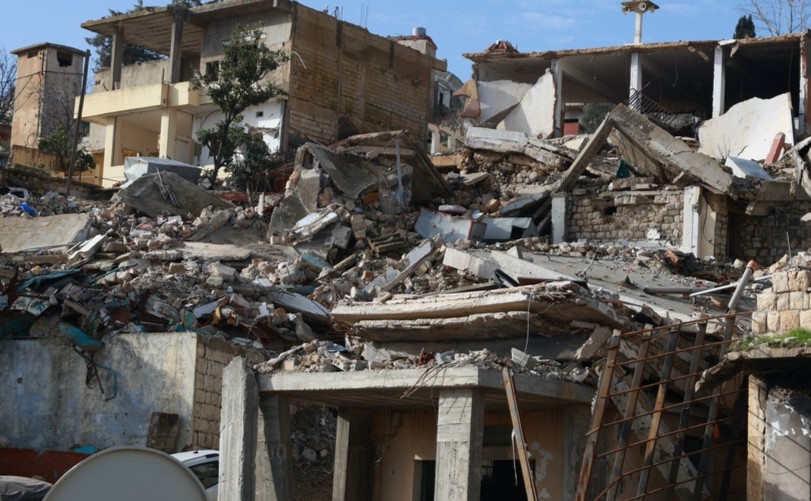
The Melkite Catholic hierarchy in southern Lebanon has publicly denounced widespread destruction and urged both Beirut and the wider world to step in, calling the damage ‘a deep wound in the national and human conscience.’ Their appeal lands amid ongoing conflict and civilian suffering, and it presses for action to protect communities, preserve religious heritage, and restore basic safety across affected areas.
The bishops laid responsibility on multiple actors by demanding intervention from the Lebanese government and the international community, insisting that silence or inaction is not an option. From a conservative standpoint this is a call for stability and order, not a plea to reward chaos. Protecting citizens and historic communities should be a top priority for any government claiming authority.
Their words are sharp and moral, and they underline the human fallout of military campaigns and asymmetric warfare alike. Republicans tend to support Israel’s right to self-defense, but we also insist on clear rules of engagement that minimize civilian harm and protect religious minorities. When churches, neighborhoods, and livelihoods are erased, that loss is real and it weakens the social fabric of the region.
The bishops’ statement frames the destruction as more than material; it’s a spiritual and communal blow that threatens Lebanon’s pluralistic identity. Preserving Christian communities in the Middle East is not just sentimental; it’s a matter of cultural survival and geopolitics. A strong response should include protection for places of worship, relief for displaced families, and concrete plans to prevent forced demographic shifts.
The Lebanese government has a responsibility to its own people to reassert control and deliver services where needed, and Republicans would argue that local governance must act first before international aid is deployed. Local authorities must secure humanitarian corridors and ensure civilians can access food, medicine, and shelter. Without functioning institutions, foreign aid becomes a bandage instead of a solution.
International partners also should act, but with clear priorities: stabilize, deter further aggression, and support reconstruction in ways that strengthen civil society. That means sanctions on actors who target civilians, diplomatic pressure on proxies that fuel conflict, and conditional assistance tied to reforms. Simply pouring money into a failed status quo will only prolong instability.
Accountability matters. Those who commit unjustified attacks on civilian neighborhoods or cultural sites should face legal and diplomatic consequences. Republicans favor clear consequences for bad actors, whether state or non-state, because impunity breeds more violence. A predictable system of accountability helps deter future assaults on communities that have already suffered so much.
There’s also a practical side: rebuilding requires coordination, security, and local buy-in. Reconstruction should prioritize housing, utilities, and places of worship and be designed to bring displaced people home rather than permanently alter the sectarian map. That requires security guarantees and transparent funding mechanisms that prevent corruption and theft of aid resources.
The bishops’ moral language — “a deep wound in the national and human conscience” — should resonate with policymakers who care about both principle and stability. Protecting minorities and religious heritage is consistent with conservative values of tradition, community, and human dignity. It’s not enough to say the destruction is tragic; leaders must translate words into action that safeguards lives and livelihoods.
A cohesive Western response should include diplomatic pressure, targeted economic measures, and robust humanitarian aid that bypasses corrupt middlemen. Support must be channeled to local groups that can deliver assistance directly and to international bodies that enforce rules of war. Quick fixes are tempting, but long-term planning is the only credible path to lasting peace and recovery.
Lebanon’s future depends on restoring a sense of normalcy and protecting the mosaic of communities that make the country unique. Republicans believe in standing with allies and vulnerable minorities while insisting on accountability and reform. The bishops’ call is a reminder that moral leadership and practical policy must go hand in hand to heal both structures and souls.
Immediate steps should focus on safe access for aid, reconstruction of critical infrastructure, and legal mechanisms to deter future attacks on civilians and cultural sites. The international community can help, but Lebanon’s leaders must first show the will to defend all citizens and preserve the country’s pluralistic character. Without that, the wounds described risk becoming permanent scars on a nation’s identity.
