
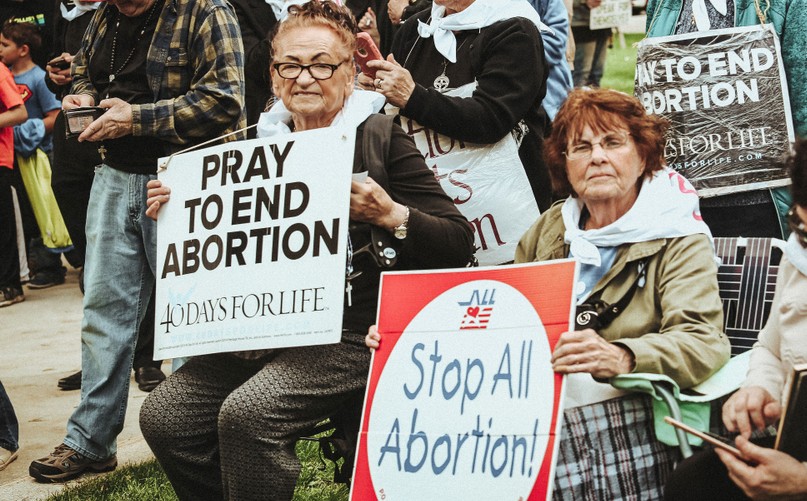
The moment has arrived for clear talk: if gentle civic appeals fail to move voters away from laws that enable abortion, religious leaders should plainly explain the spiritual consequences at stake. This is not about coercion but conscience – a frank reminder that moral choices in the voting booth carry eternal weight. Faith communities have long guided believers on matters of personal sin, and public acts that intentionally legalize or promote grave wrongs deserve the same sober attention. People deserve a direct, faith-based case for why certain ballots harm not just the living but the souls of those who cast them.
When political persuasion by common-good rhetoric falls flat, more explicit spiritual teaching can cut through the fog. Voters often hear arguments framed in civic neutralities, like autonomy or privacy, yet these words can mask real moral destruction. A pastor who only speaks in civic abstractions risks leaving parishioners unaware of the spiritual stakes. Clear moral guidance should translate public policy into the language of sin, virtue, and final accountability.
Clergy have a pastoral duty to form consciences, not to issue partisan marching orders, and forming conscience sometimes means naming the severity of a choice. For many believers the idea that a civil vote could lead to eternal consequences is unsettling, but it is also part of a robust moral worldview. Telling the truth about the gravity of acts that intentionally end human life is an act of care. Avoiding the topic out of fear of controversy shirks pastoral responsibility and leaves souls exposed to confusion.
Republicans can and should support this approach because it aligns with respect for life, religious liberty, and honest civic engagement. We value institutions that help people make moral decisions for the long run, and the Church is one of those institutions. When those institutions are silent or timid, the culture drifts further from basic moral commitments. A church that equips voters with moral clarity strengthens democracy by helping citizens choose in line with higher principles.
There is a practical angle too: voters who understand the moral dimension often change how they prioritize issues at the ballot box. People are rarely moved by abstractions; they respond when questions hit home. If believers grasp that a particular amendment or law contributes to grave wrongdoing, many will let that knowledge shape their civic choices. Encouraging that awareness is both faithful and strategically effective for pro-life goals.
That said, the line between moral instruction and political coercion must be respected. Pastors should present moral teaching transparently and allow space for conscience. No pulpit should be a place of government-style mandates, but it should be a place of moral clarity. The goal is to empower voters with truth so they can freely choose according to a well-formed conscience, not to trick or intimidate them.
Churches should also offer concrete pastoral support for those wrestling with civic decisions. Instead of just issuing warnings, congregations can provide study guides, prayer gatherings, and compassionate counsel to help people reflect. Public teaching paired with personal accompaniment helps voters move from abstract concern to informed, prayerful action. This pastoral package respects human dignity while making clear the deep moral stakes.
At stake is more than policy; it is the moral character of a community and the spiritual welfare of its members. Voters need plain language about how certain laws affect human dignity and the soul. Faith leaders who step forward with courage and clarity will not be silencing debate but enriching it by bringing eternal perspective into public life. In the end, honest moral teaching helps people face the consequences of their choices with conscience and courage.
