
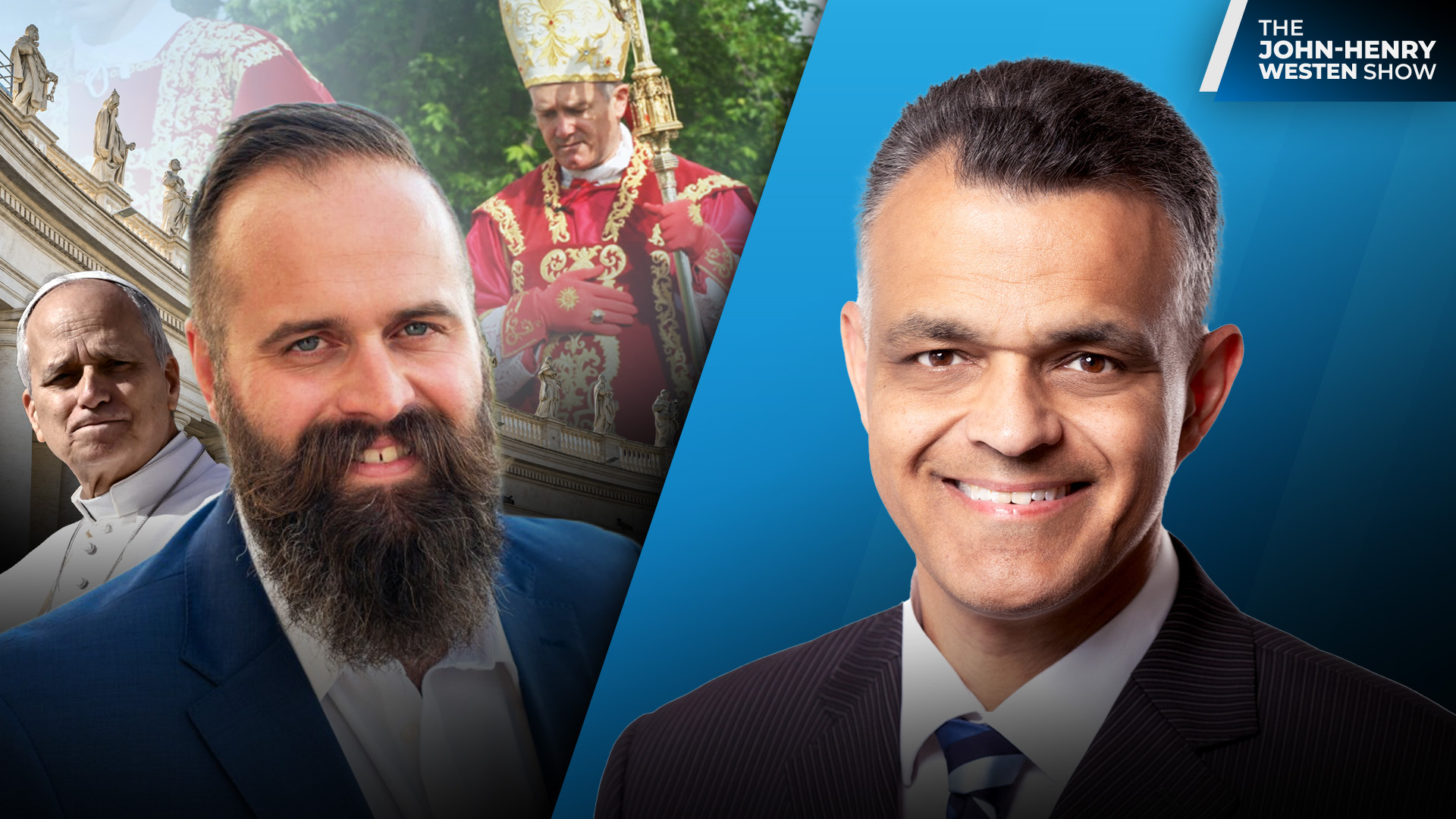
The Society of Saint Pius X is on the brink of new episcopal consecrations, and that move has intensified a showdown over authority, canon law, and how to read the reforms of the Second Vatican Council. This article lays out the arguments, the potential Vatican response, the canonical questions about auxiliary bishops without territorial jurisdiction, historical context, and what the standoff could mean for clergy and faithful.
Tension has been building as the SSPX prepares to elevate clerics to the episcopate, a step that always raises eyebrows in Rome. For decades the society has existed in an uneasy relationship with the Holy See, and episcopal consecrations change the legal and pastoral calculus. Observers say this moment could force clearer decisions from both sides.
The central canonical controversy focuses on consecrating bishops who lack territorial authority. Canon law normally ties episcopal power to a diocese or a personal jurisdiction, and creating bishops without those ties raises questions. Supporters argue such ordinations can be legitimate if they serve pastoral needs and remain within the Church’s legal framework.
Detractors counter that creating bishops outside established diocesan structures risks schism, or at least the appearance of it. They warn about fragmentation and the precedent it sets for parallel lines of authority. The debate is technical, but the stakes are institutional and pastoral at once.
Adding fuel to the fire is a charge of double standards when comparing Rome’s posture toward the SSPX and its handling of episcopal arrangements in China. Critics point to pragmatic compromises in some places and ask why the same latitude would not extend to traditionalist communities. That comparison has political heat and complicates Vatican messaging.
For the SSPX itself, consecrations are framed as protecting tradition, sacramental integrity, and continuity with a pre-conciliar style of Catholic life. Leaders say new bishops will ensure stable pastoral care for communities attached to the society’s liturgical and theological approach. For many supporters, that argument resonates as both practical and principled.
Vatican officials face a delicate balancing act between upholding canonical norms and avoiding a public rupture. Discipline could range from formal warnings to more severe measures, but any punitive step risks alienating a sizable and committed segment of the faithful. That risk shapes how carefully the Holy See moves.
Historically, the SSPX’s identity traces back to disputes over liturgy, authority, and interpretation of Vatican II. Those longstanding tensions mean this moment is not merely administrative. It revives questions about how much diversity the Church can tolerate while maintaining unity.
Canonical scholars note that intent and communion matter as much as form. A consecration conducted with the aim of remaining in communion with Rome differs from one explicitly set against papal authority. Determining motive, however, is messy and often contested in public debate.
Local bishops and the laity are watching closely because consequences ripple outward. If Rome disciplines the society, local relationships and sacramental life in parishes could be affected. If Rome tolerates the move, other groups might seek similar arrangements, challenging traditional diocesan oversight.
Some commentators predict a negotiated outcome that clarifies roles without a full break. That route would require both sides to make concessions and to frame any agreement in canonical terms that preserve unity. Negotiation would prioritize pastoral stability but demand legal creativity.
Others expect a firmer Vatican response intended to reassert central authority and set a precedent. Such a decision would emphasize the need for bishops to operate within territorial or personal jurisdictions recognized by Rome. It would also signal that episcopal status cannot be used to create autonomous ecclesial structures.
The current moment is as much about symbolism as it is about law. Consecrating bishops sends a message about identity, mission, and future direction. Whether that message deepens a rift or becomes a bargaining chip depends on how both sides interpret doctrine, discipline, and pastoral necessity.
Practically speaking, the outcome will affect clergy assignments, sacramental administration, and the pastoral formation of seminarians aligned with the SSPX. Ordinary Catholics may feel the effects in their parishes through changes in ministry and governance. The ecclesial map could look different depending on how the situation unfolds.
Whatever happens next, expect careful legal arguments, intense pastoral concern, and thorny public reactions. The episode will test how the Church balances fidelity to tradition with the canonical structures designed to hold it together. Clergy and laity on all sides will be watching to see whether this becomes a model for resolving similar conflicts or a cautionary tale.
