
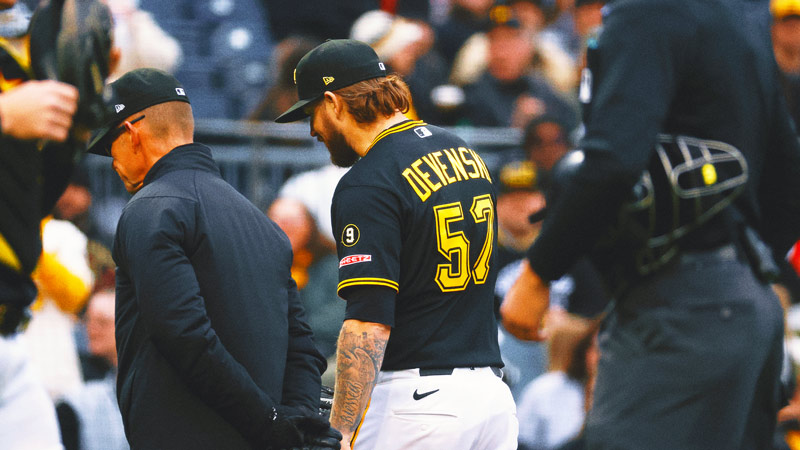
Pirates reliever Chris Devenski has been suspended three games and fined for intentionally throwing at Reds rookie Sal Stewart, a punishment the league handed down after reviewing the incident. The decision highlights MLB’s current stance on player safety and on-field retaliation, and it puts a spotlight on both pitchers who cross a line and the young hitters who find themselves in the crosshairs. The suspension is short but meaningful, and it comes with financial and reputational consequences for the veteran pitcher.
The play that triggered discipline involved Devenski and Reds rookie Sal Stewart, and officials concluded the throw was deliberate. Intentional plunkings have been a flashpoint in baseball for years, and the league has been trying to balance protecting batters with allowing players to police the game themselves. This ruling makes clear that when the league determines a pitch was aimed at a hitter on purpose, repercussions will follow quickly.
For clubs, a three-game ban for a reliever is significant because it alters bullpen planning and forces managers to adjust matchups on short notice. Teams count on steady arms to cover late innings and bridge to the closer, and losing a reliable reliever for a string of games creates ripple effects on workload and strategy. Beyond the immediate lineup and bullpen shuffle, there is a reputational hit that can shape how opponents approach future encounters.
Devenski is a veteran left-hander who has carved out a role as a dependable bullpen piece across multiple teams, and this incident is a setback in what has been a solid professional run. Veteran pitchers sometimes use intimidation and inside pitches to establish the inner half, but there is a big difference between pitching inside and deliberately targeting a player. The league’s discipline sends a message that crossing that line brings penalties beyond a simple ejection.
Reds rookie Sal Stewart now finds himself at the center of a wider conversation about rookie protection and clubhouse dynamics. Young hitters who get hit or nearly hit can spark benches clearing, angry words, and grudges that linger through a season. The league’s role is to keep moments from boiling over into dangerous situations, and this suspension is part of that effort to maintain order and protect player safety.
Historically, MLB has handed out a mix of fines and suspensions for intentional throws, with length and severity often hinging on context, past behavior, and whether the incident followed warnings. The three-game length reflects the league’s judgment on both the act and Devenski’s status as a veteran player. Appeals are possible, and teams sometimes push back to try to reduce penalties, but the initial announcement signals the league’s intent.
From a competitive standpoint, this episode shakes up short-term planning for both teams and puts an extra spotlight on how managers will handle similar tensions in future matchups. Coaches may opt for more caution, issuing their own warnings or making lineup adjustments to avoid repeat incidents. The broader aim is to keep games about skill and competition rather than grudges and intentional harm.
Fans and analysts will debate whether the punishment fits the act, and conversations about consistency and fairness in discipline will continue. What the league has done here is apply the rules it has been refining for years to a concrete situation involving a prominent reliever and a rising hitter. For now, the suspension and fine stand as the official response, and both clubs will move forward with the practical and personnel adjustments that come next.
