
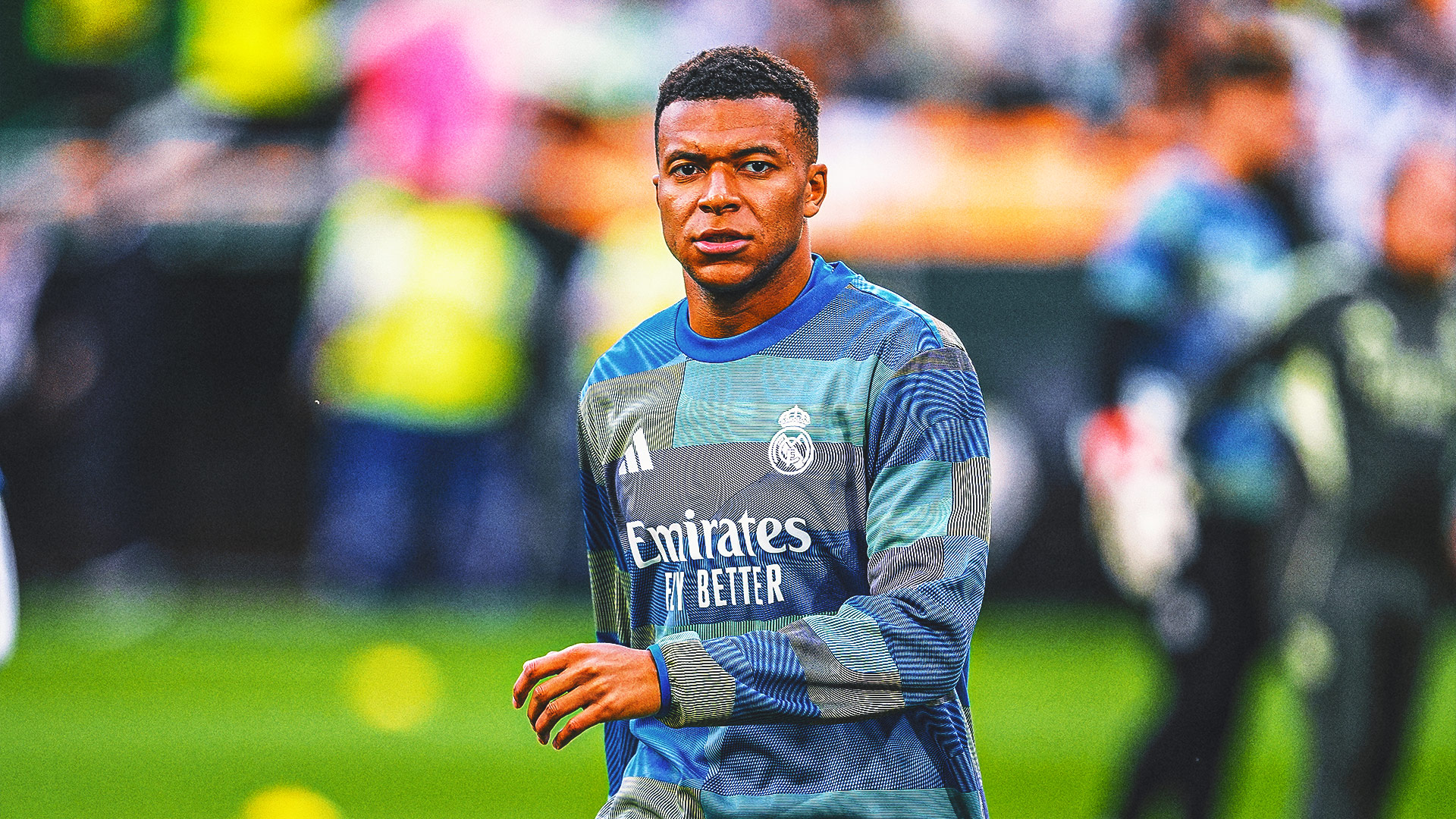
Kylian Mbappé’s recovery from a left hamstring issue is the central thread here, tracking his mindset, medical steps, and what his return means for club and country. The piece examines how he is handling rehab, how staff are managing risks, and what to expect in the coming weeks. It keeps things straightforward and focused on the facts around his fitness and availability.
“Kylian Mbappé insists he remains fully committed to his recovery from a left hamstring injury.” That line is the clearest signal from the player himself, and it underlines the tone of his public updates: determined and controlled. He has been vocal enough to calm speculation while careful enough not to promise a specific return date.
The injury originally came in a high-stakes moment and has had everyone watching calendars and training schedules. These hamstring problems can be delicate; push too hard and setbacks happen, so the rehab plan usually balances targeted work with gradual loads. Medical teams favor evidence over haste, and players often have to trust the process even when they feel ready to sprint back in.
On the field, Mbappé’s absence shifts tactical plans. Teams lose not just his pace and finishing but also the way opponents must defend when he’s present, which changes the whole dynamic. Coaches will tinker with formations and roles until he’s cleared, and that juggling act can temporarily alter results and rhythm.
Rehabilitation now is about specific milestones: pain-free running, full range of motion, strength parity with the other leg, and match-level conditioning. Each stage has objective tests, and crossing them lets staff move to the next step. Players often feel the urge to skip steps, but hamstrings punish impatience, so a staged return is the smart path.
Mental resilience matters as much as physical work in this stretch. High-profile players face the double pressure of media speculation and fan expectation, and that can push some to accelerate returns. Mbappé’s public posture suggests he’s trying to manage the narrative and keep attention on steady progress rather than dramatic comebacks.
The timing of his comeback will influence both club planning and national team picks, especially with fixtures stacking up. Managers prefer certainty, so they will only slot him in once he ticks the fitness boxes and simulates match intensity in training. Until then, alternatives will keep rotating through starting spots and roles that might look different when he’s back.
Fans will be keen for an update after each training session and friendly runout, but the responsible approach is measured confidence rather than headline-driven optimism. Medical updates, controlled minutes in low-risk settings, and a patient ramp-up give the best chance for a lasting return. The aim is to get him back to top speed and keep him there without risking another layoff.
