
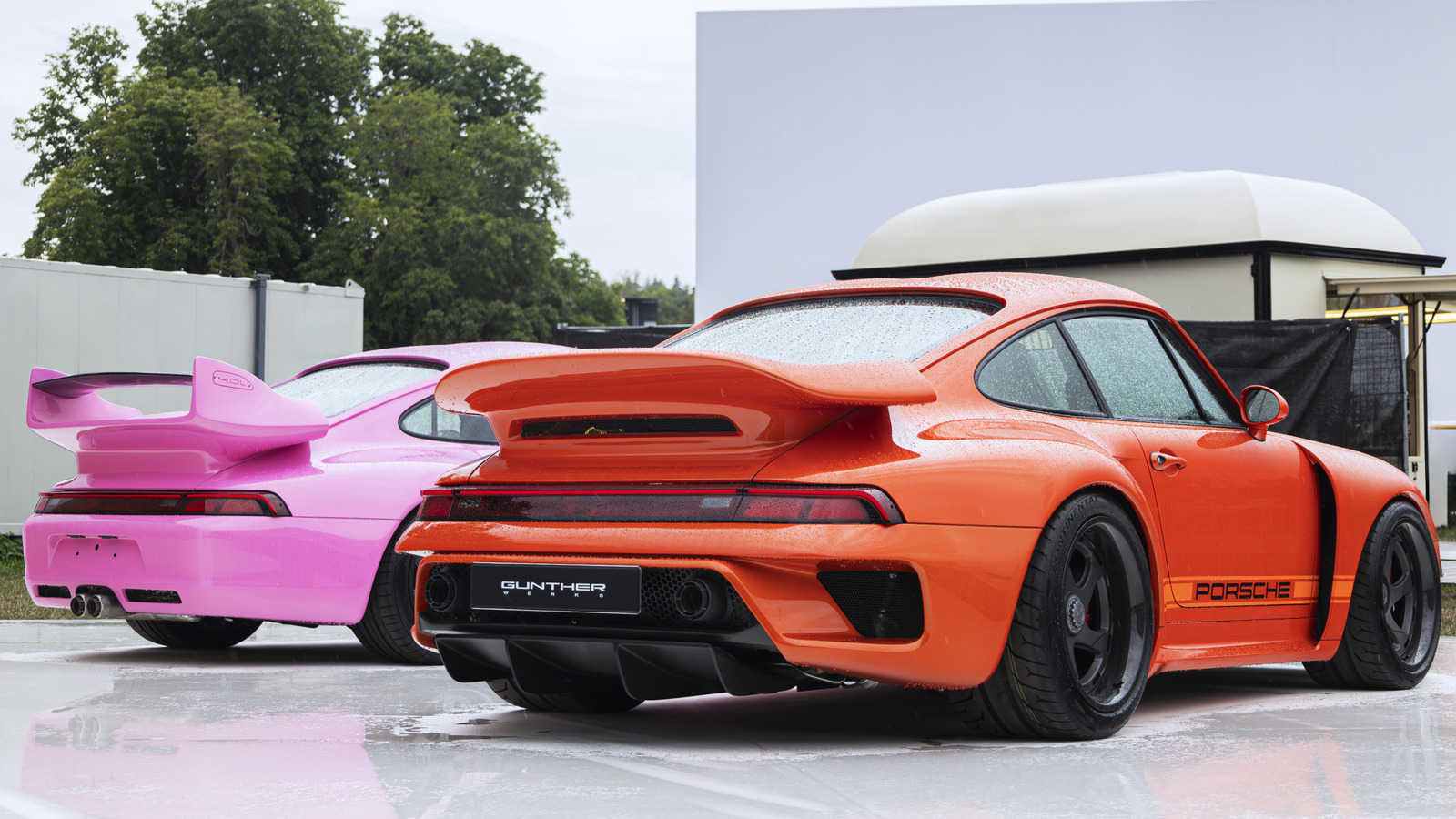
Cars used to arrive in colors that grabbed attention and stuck in your head, not the endless grays and whites that dominate parking lots today. This piece looks at the unique, rare tones that once made vehicles feel alive, why they faded, and how a few wild shades still refuse to disappear. Expect a brisk tour of color history, the emotional pull of hue, and where we might spot these standouts again.
There was a time when British Racing Green meant something more than a retro badge; it conveyed heritage and a stubborn sense of identity. That deep, leafy green popped on winding country roads and showed contrast against chrome and leather in a way modern silver never does. Seeing one today feels like a small victory for personality.
Another shade people miss is classic Signal Red, the kind that doesn’t flirt with orange or pink but declares intent. It turns heads without apology and fits both sports cars and compact sedans when done right. Automakers steered away from it for a while because of cost and perceived buyer caution, not taste.
Then there were the softer, less aggressive tones like mint green and pale turquoise that once evoked seaside summers and easy weekends. Those colors made small cars charming instead of anonymous, offering character at the price of being unconventional. They fell out of favor as market research favored conservative choices, but they still look fresh when you find them.
Punchy oranges and burnt coppers gave certain models an instant cult following, creating a visual shorthand you couldn’t ignore. They were loud, confident, and often tied to performance packages or limited editions. That rarity is part of their appeal now; collectors and enthusiasts seek them out for the exact reason mainstream buyers avoided them.
Metallic purples and deep blues played with light in ways flat neutrals can’t mimic, shifting tone with every sunbeam. Those paints required more attention during production and sometimes cost more, but they rewarded drivers with a living, breathing finish. When you spot one on the road, it reads as a deliberate style choice, not a default factory decision.
Part of the decline in these tones came from pragmatism: resale value, repair costs, and the desire for universal appeal pushed manufacturers toward safer palettes. Paint factories standardized processes to save money and time, and marketing teams leaned on data that favored bland. But taste cycles are real, and that conservatism can only hold for so long.
Modern technology also opens doors: advanced pigments, multilayer finishes, and custom shops make unusual colors more durable and accessible than ever. Wraps and factory custom programs let people recreate rare tones without the same long-term risk older owners faced. That means we’re starting to see thoughtful color choices return, often with better UV resistance and finishing techniques.
For drivers who remember the bold palettes of the past, spotting those rare tones is a small thrill and a reminder that cars can be expressive. For younger buyers, these shades offer a way to stand apart in a world of lookalike SUVs and sedans. Either way, the comeback of color—when it happens—will be a visual reward for anyone tired of endless neutral sameness.
