
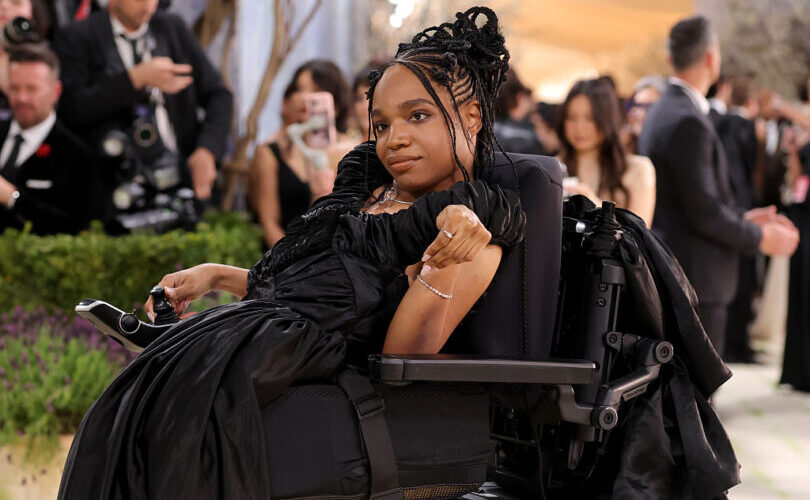
Aaron Rose Philip has become a visible figure in fashion conversations about inclusion, accessibility, and representation. This article looks at why that matters, how the industry reacted, and what her visibility reveals about changing expectations for models with disabilities. The piece focuses on the personal milestone and the broader cultural signals it sends.
The moment that brought Aaron Rose Philip into wider public notice was framed as a milestone in representation: she was hailed as “first Black transgender woman with quadriplegic cerebral palsy to be signed to a major modeling agency.” That exact line was repeated in headlines and social feeds, and it crystallized how identity categories and disability intersect in a single public image. For many readers, the phrasing captured both progress and the odd novelty of an industry still learning how to include people it previously overlooked.
Philip’s signing was presented as a breakthrough, not just for her personally but for anyone who has felt shut out of high fashion because of race, gender identity, or physical disability. Her presence in campaigns and on runways challenges old assumptions about who can represent brands and what beauty looks like. The attention also forced a conversation about whether fame in fashion reliably translates into systemic changes for others with similar backgrounds.
Responses to Philip’s visibility varied. Supporters celebrated a long-overdue widening of the lens on models and praised agencies for taking on talents who had been marginalized. Skeptics asked whether this was a symbolic gesture more than a sustained commitment to accessibility and fair opportunity across the board. Both reactions matter, because symbols invite scrutiny about follow-through and the daily realities faced by models with disabilities.
Practical issues surfaced alongside the applause: set accessibility, transport accommodations, and inclusive casting practices are concrete steps that make representation meaningful. Without those changes, high-profile signings can feel performative even if they are well-intentioned. Industry insiders who want real progress often point to policy and infrastructure as the tests that separate token moments from lasting reform.
Philip’s work also highlights how multiple identities interact in public perception. Being Black, transgender, and living with quadriplegic cerebral palsy positions her at the convergence of several marginalized communities, which complicates how audiences and brands respond. That complexity can be powerful: when someone embodies several underrepresented identities, their success exposes layered blind spots in institutions that assume a one-size-fits-all approach to inclusion.
What follows from this visibility is still open-ended. Some brands will expand access and rethink casting beyond a single campaign, while others may treat inclusivity as a marketing moment. The real test will be the steady presence of models like Philip in everyday industry life, not only in headlines. If fashion wants to be truly inclusive, it needs to back public gestures with permanent, practical change.
