
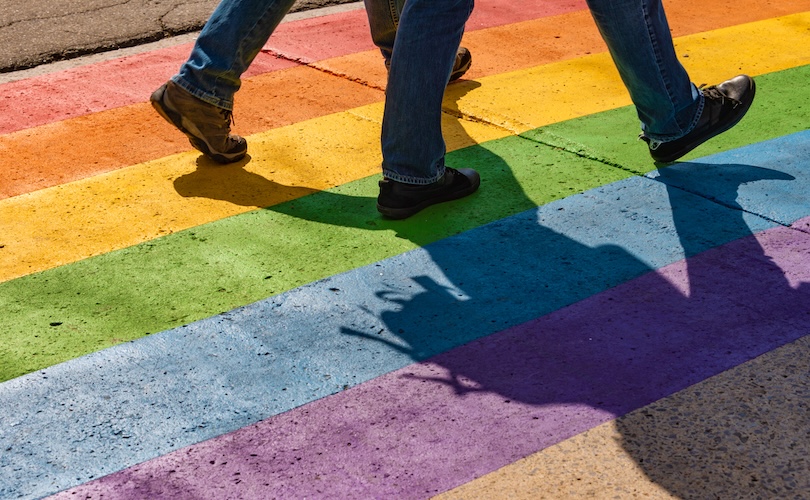
A local performer in Alberta is set to appear before the Alberta Human Rights Commission after handing out flyers opposing a planned ‘pride’ rainbow crosswalk, touching off a debate over free speech, community values, and how far public bodies should go to police disagreement. The case raises tough questions about the balance between protecting groups and protecting the right to speak in small towns.
The story centers on a Canadian children’s entertainer who circulated flyers denouncing a proposed rainbow crosswalk in her town. She says she acted out of concern for kids and community norms, while critics argue her actions could be discriminatory. This clash has drawn attention because it pits a private citizen against a provincial human rights body.
People on the right see this as a clear free speech fight. A government tribunal getting involved because someone distributed leaflets feels heavy handed to many residents who believe local matters should stay local. When you start using human rights commissions to police everyday speech, you change the rules for everyone in the name of protecting a few.
The entertainer’s supporters emphasize that she works with children and families and that her viewpoint comes from that role. They argue she was exercising a basic civic duty to voice concerns about what she believes is appropriate in public spaces. That perspective resonates with folks who worry about the direction of public displays and who want a say in how their communities represent themselves.
On the other side, advocates for the crosswalk push back hard, saying the rainbow is a symbol of inclusion and that opposition to it can feel threatening to LGBT people. That concern is understandable, especially for people who have faced stigma. But critics of the tribunal process say there are better ways to respond than dragging someone into legal proceedings.
There is also a practical question about government priorities. Many conservative voters and local residents ask whether human rights commissions should dedicate time and resources to disciplining nonviolent public disagreements. They point out that these bodies were intended to address serious discrimination, not to mediate political arguments about public art or street markings.
Another point is fairness and consistency. People want clear rules that apply to everyone equally. If one person faces a hearing for distributing flyers, others worry where the line will be drawn next. That uncertainty chills public discussion and encourages self-censorship, which is bad for civic life.
Local control matters here. Small towns have traditions and ways of deciding public projects through councils and community input. Many argue that those local processes should decide whether a crosswalk is installed and what it looks like. Escalating a neighborhood dispute into a human rights hearing bypasses those local mechanisms and undermines trust in local government.
The entertainer’s case will likely become a touchstone for broader debates across Canada about speech, public symbols, and the reach of provincial tribunals. Conservatives note that protecting free expression for people with traditional views is as important as protecting speech for anyone else. If the state can punish a resident for expressing a view on a civic project, it sets a precedent that worries many on both sides of the spectrum.
Public reaction has been mixed, with some applauding the move to support LGBT visibility and others warning about the implications for freedom of conscience. The legal process will play out under provincial rules, and the outcome could influence how similar disputes are handled in the future. Either way, the case has already sparked a wider conversation about civic rights and the proper role of state institutions.
At its heart, this is about competing visions of community: one that emphasizes visible inclusion in public spaces and another that prioritizes free expression and local decision making. The hearing before the Alberta Human Rights Commission will test where those priorities land when they collide. For many conservatives, the priority is clear: protect free speech and let local communities decide these matters without heavy-handed intervention.
