
The Nexstar-Tegna deal is a straightforward, pro-growth transaction built to save local newsrooms, not to concentrate some mythical media empire. This piece argues that regulators should let these companies combine resources to survive and compete with national and global digital giants. It pushes back on lawsuits and state-level posturing that confuse private interest with the public interest. The practical outcome matters: stronger stations mean better local reporting for communities.
Local broadcasters are under siege from forces that dwarf any single station group. Streaming platforms, social networks, Big Tech search engines, cord cutting and fragmented cable lineups have siphoned advertising and audiences away from hometown newsrooms. That old stable of three networks and captive evening viewers is gone, and local stations now fight for attention in a global content market. If regulators ignore that reality, they will only accelerate newsroom closures.
Nexstar’s argument is plain: combining with Tegna gives stations the money, technology and staff they need to produce journalism people rely on. CEO Perry Sook has said the combined company “would be positioned to deliver strong local journalism and local programming with enhanced assets, capabilities and talent.” In plain terms, robust news operations require capital, equipment and experienced reporters, and scale delivers those things faster and cheaper than a dozen solo owners struggling on shoestring budgets.
Some state attorneys general and a major distributor have tried to block the transaction, claiming it would give Nexstar too much power in local markets. That critique rests on a model of media that died decades ago. Local broadcasters do not compete only with the station down the street; they are battling Google, Meta, YouTube, Netflix, Amazon, TikTok, podcasts and an endless tide of digital content for every minute of a viewer’s attention.
The 39% national television ownership cap is a relic that ignores how Americans get news today. Rules written for a broadcast era that no longer exists only handicap companies trying to adapt to modern competition. Enforcing those limits strictly in 2026 is like regulating automobiles using laws built for horse-drawn carriages. Practical regulation should reflect present realities, not nostalgia.
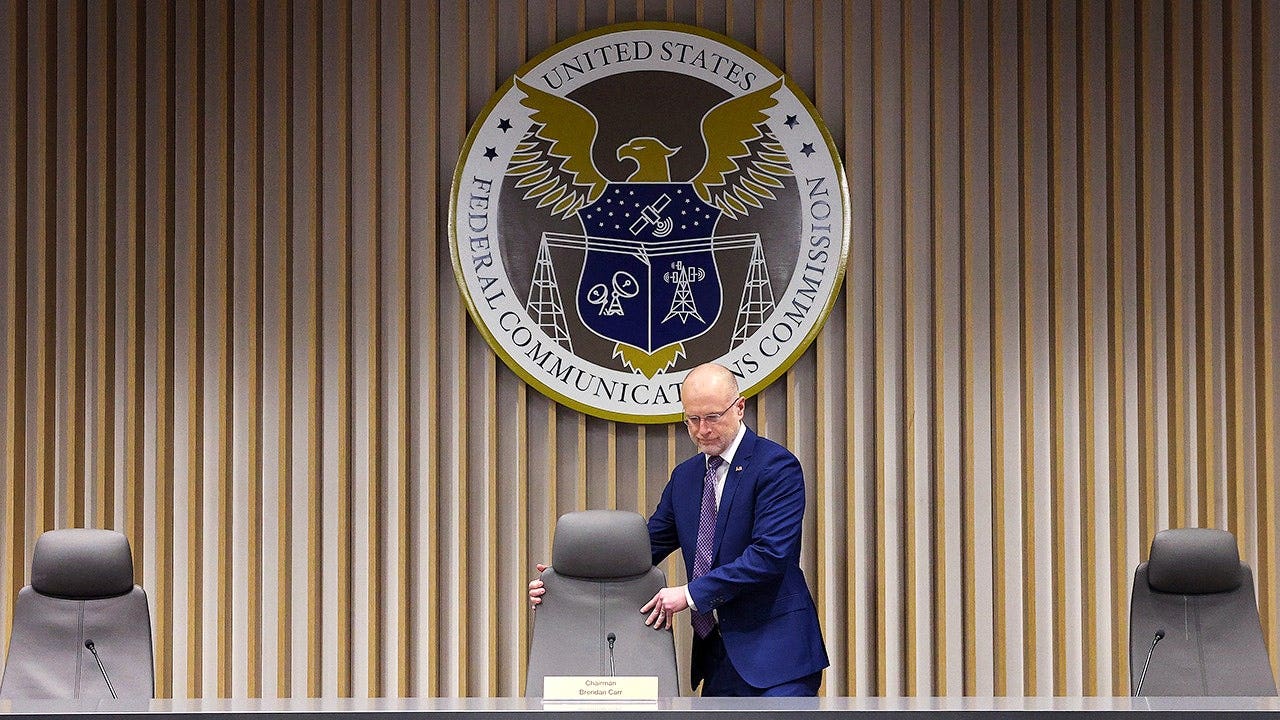
The Federal Communications Commission has recognized that broadcasters need room to maneuver so they can invest, innovate and survive. Scale is not automatically anti-competitive in a marketplace dominated by multinational platforms with far deeper pockets. Where a single local owner struggles to buy equipment or keep reporters on staff, a larger company can sustain investigative teams, weather reporting and emergency coverage that communities depend on.
The Trump administration’s emphasis on growth and deregulation fits neatly with the logic behind this deal. Letting American firms consolidate sensibly is not a bailout for executives; it is an opportunity to modernize and compete with the real giants of the digital age. Blocking strategic consolidation because it makes a competitor angry or a politician headline-hungry would punish stations trying to survive instead of protecting consumers.
DirecTV’s lawsuit should be seen for what it is: a distributor protecting its negotiating position and margins. Opponents who claim to champion local news while suing the very companies that provide it reveal a conflict of interest. Lawsuits filed by competitors are often strategic moves to extract concessions, not acts of civic virtue, and regulators should not mistake them for the public interest.
When local newsrooms shrink, communities lose essential services. Local coverage warns families about storms, school closings, road hazards and public safety threats while shining light on corruption and waste at the city and county level. Journalism is civic infrastructure, not a luxury to be trimmed when market pressures bite, and stronger, better-funded stations are the best defense against a vacuum of local information.
Critics like those who fought airline mergers in prior years pushed a kind of Washington “thinking” that punished consolidation even when markets demanded it. The result then and now risks less competition, not more, because weakened firms cannot invest in reporters or technology. This debate should be decided by the public interest, not by opponents using regulation as a club to protect their own businesses.
Support for the Nexstar-Tegna transaction is not a blind endorsement of consolidation. It is a clear, practical stance: let local broadcasters build the scale they need to survive, to keep reporters on the beat and to provide the emergency coverage communities rely on. Allowing modernization and investment gives local news a fighting chance against global platforms that have already hollowed out advertising and audiences.
