Lawmakers quietly created a path for cars to watch, judge, and even stop their drivers, and that pathway is now law. This piece breaks down how mandated in-cabin monitoring, corporate surveillance tools, and taxpayer-funded research are combining to put control of your vehicle somewhere between an algorithm and the bureaucracy. The result is a future where titles and keys mean less than a permission check by software.
The federal bill tucked into the 2021 infrastructure law forces regulators to require “advanced impaired-driving technology” in new cars, but the phrase masks what it really enables. Instead of a narrow tool for convicted offenders, we are seeing a universal system that monitors faces, eyes, and behavior, deciding in real time if you can drive. Framing it as public safety made the debate disappear, and that quiet pass-through is the whole problem.
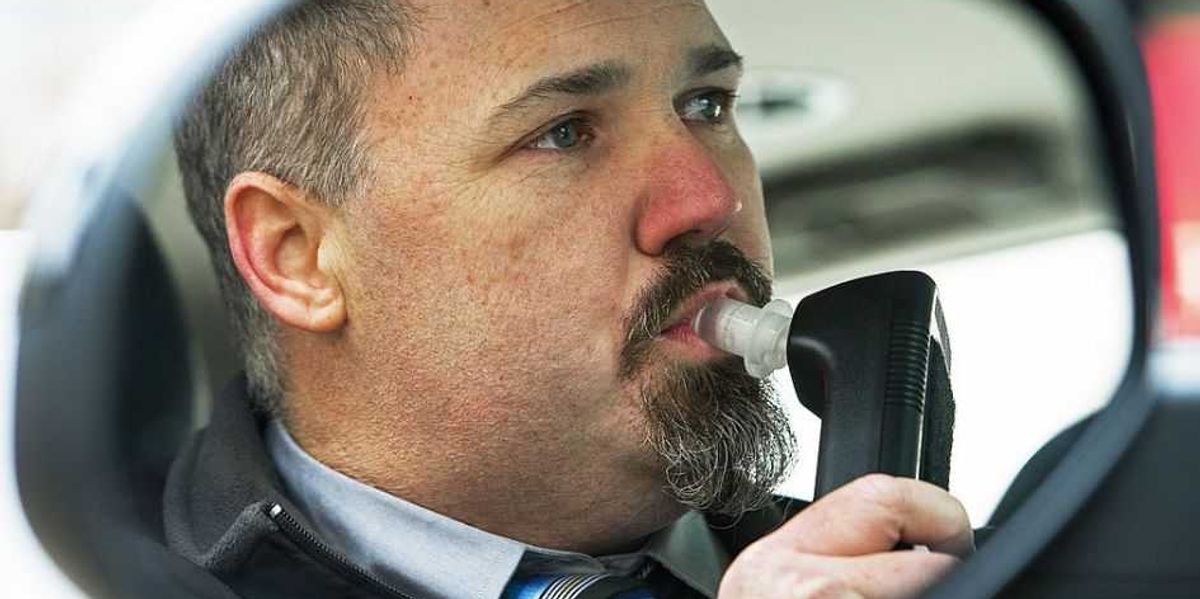
Automakers are already equipping cabins with cameras and attention sensors, and companies are inventing ways to turn that data into profit. These systems were pitched as ways to stop drunk driving, but they also flag tiredness, stress, and distraction. When software starts judging states of mind, normal human variation becomes a liability instead of a private risk.
“Every piece of technology fails at some point. When it does, you’re stuck explaining to a machine why you deserve to drive your own vehicle.”
Imagine sitting behind the wheel with your hands on the wheel and the title in your name, while your car refuses to move because an algorithm decided you looked impaired. That’s not science fiction. That is the next model of vehicle control being standardized across the industry. When design decisions sit in federal rules, opting out is not an option for most Americans.
Corporate patents and fleet deployments show where the industry wants to go next: biometric ID tied to drivers, live cabin feeds in commercial vehicles, and behavioral records that can be sold. Your car would become a rolling data center feeding insurers, employers, and whoever else pays for access. Once in-cabin data is collected, it rarely stays private.
Washington is already funding this shift directly. Millions have been poured into research for alcohol detection systems and related tech, and the public is footing the bill. Automakers will install whatever regulators require and pass the costs to buyers, making cars more expensive and more complex while shifting liability and failure points onto drivers.
The political fight has been uneven. A handful of lawmakers tried to push back, but the votes show broad support across both parties for measures tied to the mandate. That bipartisan consensus matters because it makes reversal harder. When a policy becomes law and industry has adjusted, undoing it is slow and painful.
There are narrow tools that already work for convicted offenders, like ignition interlocks, and technologies that target real threats without casting a net over every driver. What’s being proposed is different: universal monitoring, baked into vehicles and normalized as safety. That normalization erodes personal liberty much faster than a single headline ever could.
And the risks are practical as well as philosophical. Sensors misread faces, software generates false positives, and complex systems fail in messy ways. When technology misfires while you’re behind the wheel, the consequence is not just inconvenience; it can be danger. Either you’re stranded at the curb or you’re forced to rely on backup systems that may not exist.
Once regulators and automakers accept the premise that a vehicle can lock someone out for perceived impairment, other control features become easy to add. Speed governors, geofencing, live insurance monitoring, and law enforcement access to in-cabin feeds are all logical next steps. Each addition chips away at driver autonomy until ownership is nominal.
Meanwhile, the market for older cars—the ones without these systems—is being squeezed by regulation, parts shortages, and policy incentives that favor new vehicles. Choice dwindles. The ability to opt out becomes theoretical rather than real. That slow squeeze is how broad societal shifts become permanent.
This is a matter of who holds the final authority to drive: the person behind the wheel or a system designed by private companies and enabled by government rulemaking. The question matters because when software decides, appeals and accountability are much harder to achieve. Restoring control after the fact is nearly impossible once the infrastructure and legal framework are in place.
Drivers should demand a clearer line between helping convicted offenders and imposing blanket surveillance on the public. Lawmakers and consumers need to insist that safety solutions respect privacy and preserve the right to make ordinary decisions without constant monitoring. If the default becomes algorithmic permission instead of personal responsibility, the balance of power has already shifted.
People who value freedom should pay attention now, before the systems are standard and the debate has moved from policy to implementation. This is not about resisting technology; it is about insisting technology serve citizens and not replace them. If you do not get to decide when you drive, then the word own is an illusion.