
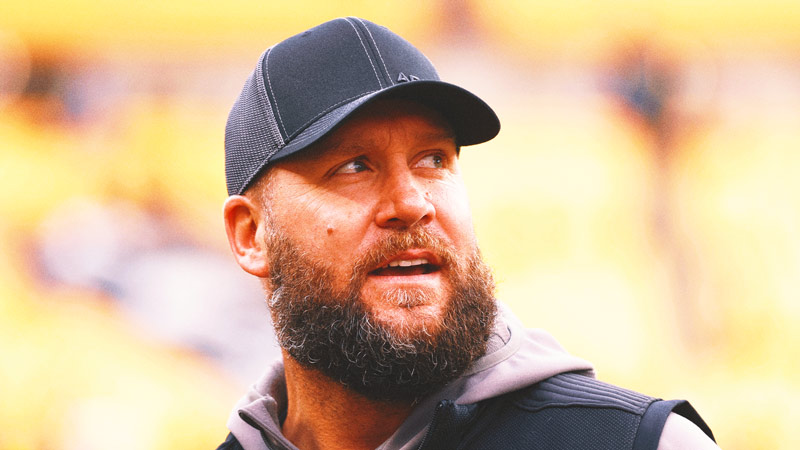
Ben Roethlisberger weighed in on the Will Howard versus Drew Allar debate, making it clear which prospect he prefers and why that choice matters for NFL teams. This piece breaks down his reasoning, compares the two quarterbacks’ traits, and discusses how his pick could influence scouting conversations and draft decisions.
Roethlisberger made his preference known after watching both college tapes and considering pro readiness. He sided with Drew Allar, pointing to Allar’s feel for the pocket and consistent accuracy as decisive factors. That preference carries weight because Big Ben’s career was built around timing, touch, and delivering under pressure.
Allar stands out as a classic, modern pocket passer who blends size with timing and anticipation. Scouts praise his quick release, ability to process coverage, and knack for placing throws where only his receiver can catch them. Those traits mirror what Roethlisberger valued in his own game and what many offensive coordinators prioritize in the NFL.
Will Howard brings a contrasting profile that appeals to teams chasing upside and playmaking. He’s naturally athletic, shows the ability to extend plays with his legs, and can create yardage when a play breaks down. That mobility and improvisational skill are exactly what some teams want when they need a spark or a different kind of offensive dynamic.
Roethlisberger’s preference for Allar doesn’t mean Howard lacks NFL value, it just signals a tilt toward pro-ready polish over upside. Veterans often lean toward the quarterback who reduces early growing pains and can step into complex schemes sooner. For franchises juggling short windows and veteran-laden rosters, that immediacy can be a game changer.
There’s also the matter of system fit, which Roethlisberger highlighted as crucial when comparing prospects. Allar’s mechanics and anticipation fit cleanly into offense designs that emphasize timing and quick reads. Howard, on the other hand, might thrive in systems that incorporate designed quarterback runs or more improvisational concepts.
Development trajectory matters too, and Roethlisberger flagged Allar’s steadiness under pressure as a sign that his ceiling could begin higher. NFL defenses are faster and more disguised, so the ability to read defenses quickly and deliver on rhythm plays is invaluable. If Allar’s college tape translates, teams might get a starter sooner than expected.
Howard’s ceiling remains compelling because athleticism can translate into explosive plays and late-game heroics. Teams that prioritize vertical juice and second-half comebacks may view his variance as a positive, betting on coaching and refinement to unlock more consistency. That duality—high floor versus high ceiling—is at the heart of the Allar-Howard comparison.
From a roster-building standpoint, Roethlisberger’s endorsement of Allar nudges organizations toward quarterbacks who minimize early risk. That preference can influence how scouts weight traits like accuracy, pocket presence, and processing speed during evaluations. Still, the ultimate choice will come down to team philosophy and how well coaches think they can teach either player to operate at the next level.
Whatever teams decide, Roethlisberger’s assessment will add fuel to the draft-room debates and pre-draft visits. His takeaway is practical: Allar represents a plug-and-play profile that aligns with what many coaches ask of their starters. Howard remains an enticing option for clubs ready to cultivate athleticism into consistent pro performance.
