
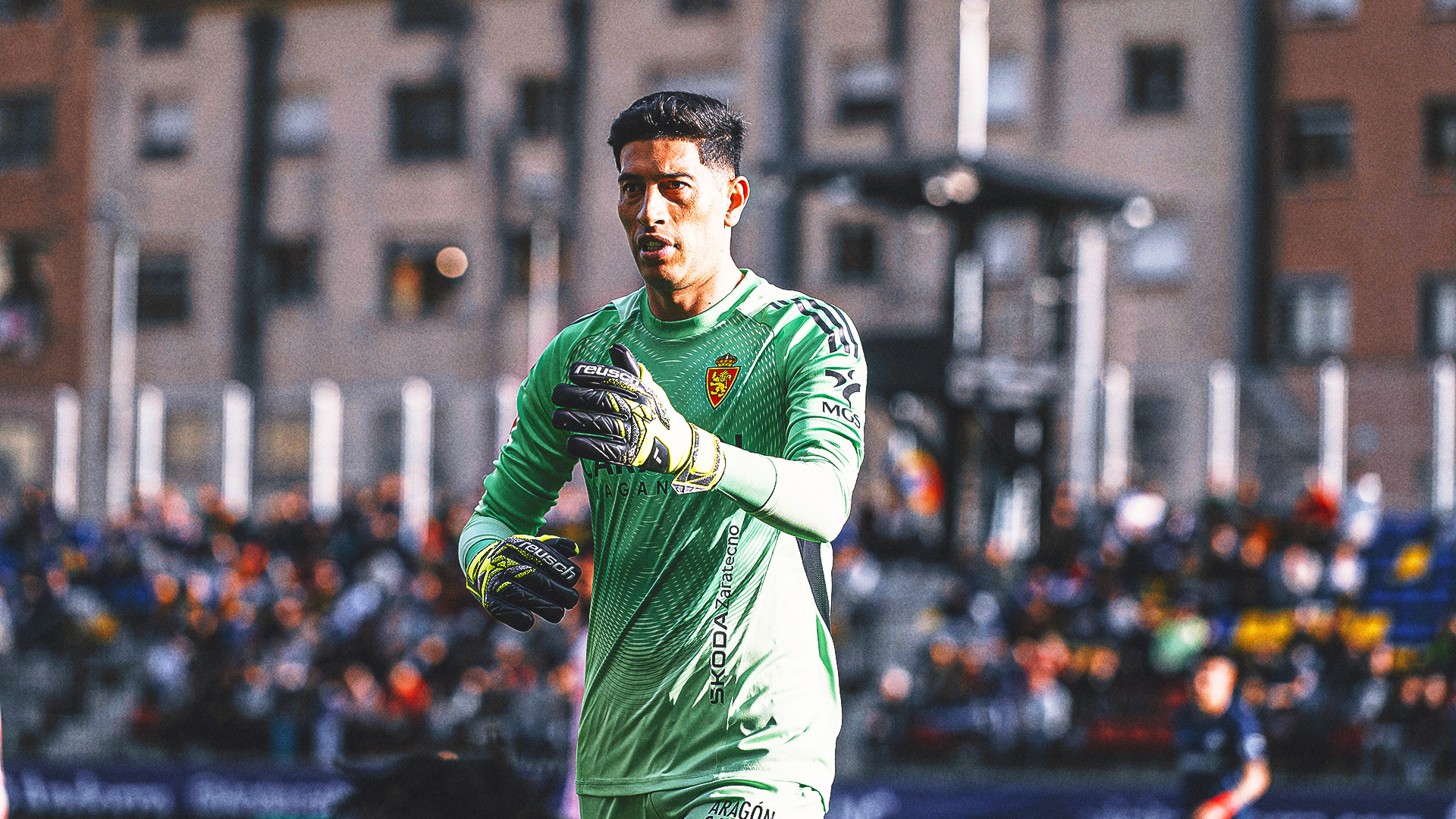
Argentine goalkeeper Esteban Andrada has been hit with a 12-match ban after punching an opponent during a second-division match in Spain, a disciplinary decision that will keep him off the pitch for a long stretch and raise questions about conduct, club planning, and how leagues handle violent incidents.
The incident took place over the weekend in Spain’s second tier, where tempers boiled over and a physical altercation led to immediate disciplinary action. Officials reviewed the match report and footage, and the governing body imposed a 12-match suspension for the goalkeeper’s striking of an opposing player.
A twelve-game ban for a single incident is significant in any league and especially damaging for a team that relies on consistency at the back. Goalkeepers are central to defensive organization, and losing a first-choice keeper for an extended run forces coaches to reshuffle personnel and reassess tactical plans.
For Andrada personally, the punishment carries both professional and reputational consequences that extend beyond the length of the suspension. Time away from competition erodes match sharpness, and the episode will follow him in media coverage and conversations around his temperament and judgment during high-stakes moments.
The club now faces practical decisions about goalkeeper cover, whether to promote a backup, sign an emergency replacement, or change defensive approaches to protect a less experienced keeper. Each option has trade-offs, from financial cost to on-field cohesion, and the coaching staff must balance short-term results with long-term stability.
Disciplinary committees often cite the need to deter violent conduct, and this ban signals a firm line from league authorities against physical assaults on the field. Past cases in various competitions show a range of penalties for violent behavior, and harsher suspensions tend to follow clear, deliberate acts rather than accidental clashes.
The fallout could include further internal disciplinary measures, mandatory behavior programs, or community service, depending on how the club and league choose to handle rehabilitation. Clubs can also implement their own codes of conduct, and an incident like this typically sparks internal conversations about leadership, accountability, and support for players under pressure.
Fans and pundits will debate whether the punishment fits the crime, weighing the need for strong deterrents against sympathy for players caught in heated moments. Regardless of public opinion, the practical reality is that Zaragoza will be without Andrada for a sizable portion of the season, and the team must plan around that absence immediately.
Looking ahead, the case may influence how referees manage confrontations and how teams train players to control emotions during provocations. Leagues monitor these situations closely because consistent application of rules helps preserve the sport’s integrity and protect players from unacceptable conduct on the field.
