
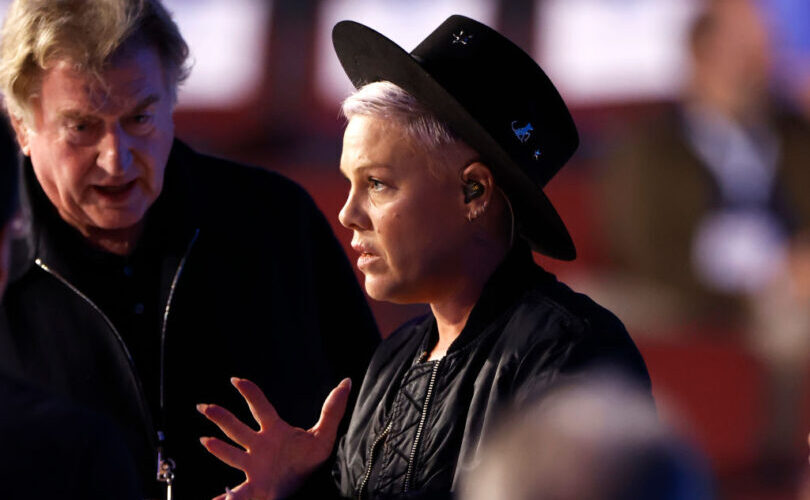
Pink has long been outspoken against the pro-life movement, and her public alignment with abortion-rights groups has put her in the center of a culture fight. This piece looks at her activism, the reactions it sparks from conservatives, and why this matters for politics and public opinion.
Pinned by bold statements and high-profile appearances, Pink has used her platform to push a pro-choice agenda for years. That visibility makes her a natural ally for organizations that promote abortion access, and it also makes her a target for Republican critics. For many on the right, the issue is less about one celebrity and more about the cultural signals her activism sends.
When a major reproductive health organization honors a celebrity who champions abortion rights, it doesn’t happen in a vacuum. Awarding a pop star sends a clear message: this is the kind of profile and voice that backs abortion access. Conservatives see that as an attempt to normalize and glamorize a policy position they strongly oppose, and they respond accordingly.
From a Republican point of view, public figures carry responsibility. Celebrities influence young voters and shape cultural norms, and when they promote abortion as empowerment, that influences public attitudes toward life and family. Critics argue that celebrating these voices neglects the moral and ethical questions millions of Americans raise about abortion.
There’s also a political angle: Democrats and their allied groups often use star power to mobilize their base and define the debate. High-profile endorsements help fundraise, fill events, and keep the issue in headlines. For conservative activists, countering that requires both message discipline and visible champions of their own.
The clash is not just rhetorical; it plays out in policy fights at state houses and in courtroom battles. As candidates and lawmakers navigate public opinion, celebrity endorsements can nudge attention toward specific legislative priorities. Republicans believe the long-term answer is to win hearts and minds through persuasion, public education, and better support systems for mothers and families.
Those who oppose Pink’s stance tend to focus on practical alternatives they think are overlooked—like stronger social safety nets, better child care support, and foster care reform. The argument is that supporting life means investing in families so women don’t feel forced into impossible choices. That approach reframes the conversation away from cultural condemnation and toward concrete solutions.
At the same time, conservatives see the cultural battle as winnable if they engage creatively and persistently. Music, film, and sports are battlegrounds for values right now, and ignoring them cedes influence to the other side. Encouraging pro-family voices in popular culture, and backing grassroots organizations that deliver support where it’s needed, are tactical priorities.
Pink’s public opposition to the pro-life movement is a flashpoint, but it’s really a reflection of a larger divide over how we talk about life, liberty, and responsibility in America. The conversation will keep shifting as new voices emerge, and the stakes include not just votes but the values shaping the next generation. Conservatives will keep pushing for policies and cultural messages that affirm life while offering practical support to families and mothers.

1 Comment
My opinion is that it is the right of every woman to make the choice of whether one should abort a pregnancy or not. It is the woman choice and no one else should chose for another especially government when it come to the personal choice to abort a pregnancy! ! ! !