
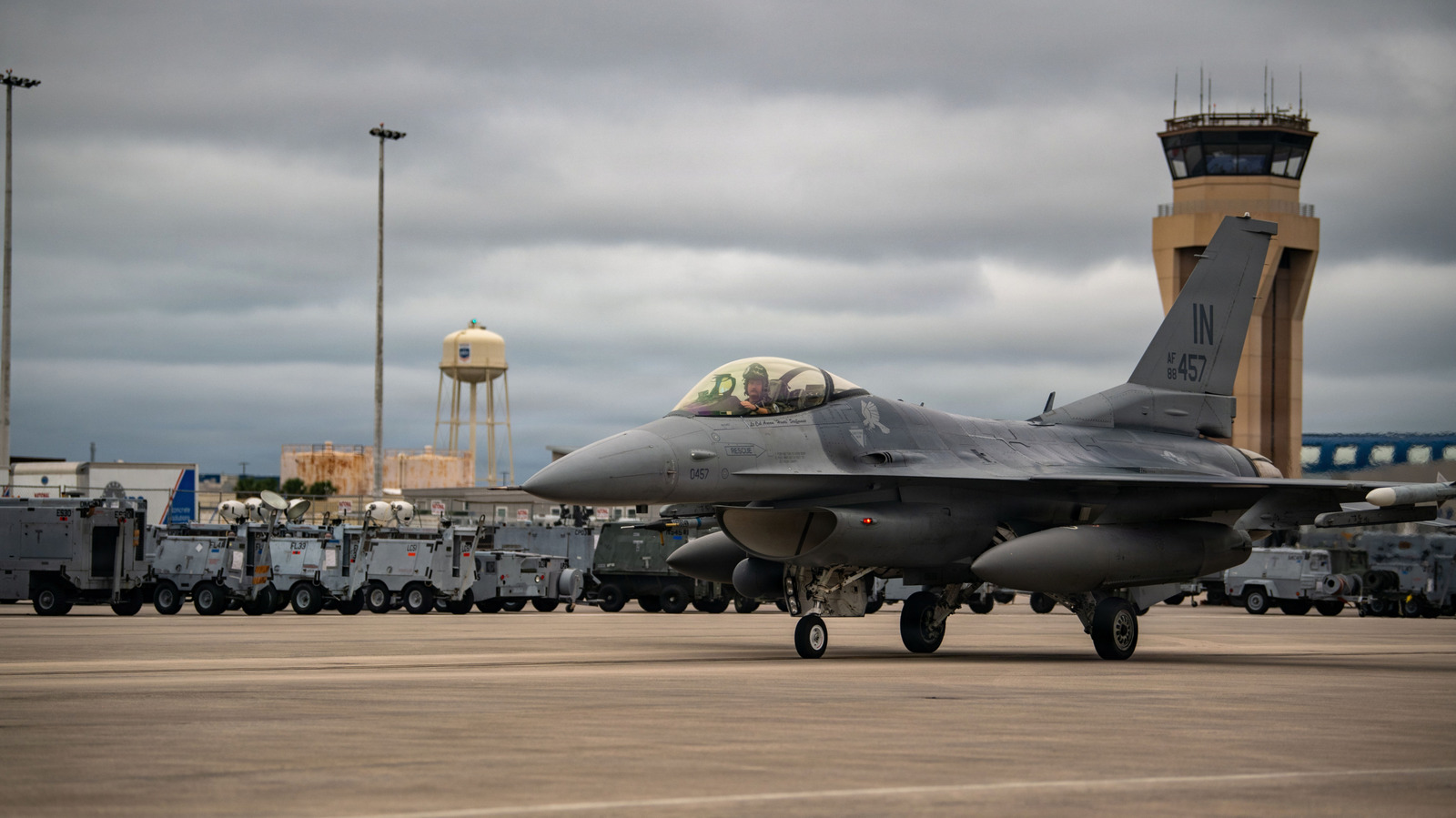
Florida hosts 19 military installations across all branches, and that mix includes a significant number of Air Force and joint aviation facilities. This article looks at what those bases do, how they shape local economies and communities, the training and missions that run out of them, and the practical challenges they face as technology and strategy evolve. It’s a grounded look at why so many air operations call Florida home and what that means for the state.
The state’s installations vary from large, well-known bases to smaller support fields, each playing a different role in national defense. Some are hubs for active wings with aircraft that fly daily missions, while others focus on logistics, maintenance, or specialized training. Together they form a dispersed network that supports both regional and global operations.
Strategically, Florida’s geography makes it valuable for air power and naval aviation alike. Proximity to the Gulf of Mexico and the Atlantic Ocean gives aircraft easy access to wide training areas and quick routes to overseas theaters. Weather patterns and long coastlines also allow for diverse mission types, from maritime patrols to expeditionary deployment exercises.
These bases are economic engines in their communities, supplying steady payrolls, contracts, and small business opportunities. Housing markets, local retail, and service industries often depend on the regular rhythms of military life. That presence stabilizes many towns, but it also means local economies can feel the impact when missions shift or units are reassigned.
>The units stationed at Florida airfields cover a broad set of specialties, including airlift, refueling, tactical fighters, and search and rescue. Many are mixed units with active duty, Reserve, and National Guard components working together on common goals. That blend of forces increases flexibility while keeping a skilled workforce in place for surge operations or emergency responses.
Training ranges and airspace in Florida are tailored to the modern needs of aviation and joint operations. Large overwater corridors and relatively uncongested airspace allow for realistic flight profiles and weapons training. Simulators and live exercises are used side by side so pilots and crews can rehearse complex scenarios before taking to the sky.
Families and civilians living near bases develop routines tied to base activity, from weekend air shows to support programs for military kids. Schools, hospitals, and local governments often coordinate with base leadership to handle population changes and service demands. That cooperation creates networks of goodwill, but it also requires constant communication when missions or schedules change.
Environmental stewardship is an ongoing conversation around Florida bases, where training and wildlife habitats intersect. Installations manage wetlands, native species, and coastal zones while keeping training realistic and safe. Balancing conservation with operational needs is a daily task that brings military and environmental experts to the same table.
Modernization and changing threats mean bases are evolving in how they operate and what they house. Investments in new aircraft, cyber capabilities, and runway upgrades are part of a broader shift to more flexible, technology-driven operations. That evolution keeps facilities useful for years to come but demands careful planning and funding.
Partnerships with universities, industry, and other federal agencies expand what Florida bases can do beyond traditional flying missions. Research in areas like unmanned systems, advanced maintenance techniques, and climate resilience benefits both military readiness and the civilian sector. Those collaborations help translate base capabilities into community advantages.
On any given day, Florida airfields host a mix of routine sorties, intensive training cycles, and logistical movements that keep them busy and relevant. The long-term presence of aviation assets in the state has woven military activity into daily life, making bases part of the social and economic fabric. As aviation needs shift, those installations are likely to adapt while staying central to the state’s role in national defense.
