
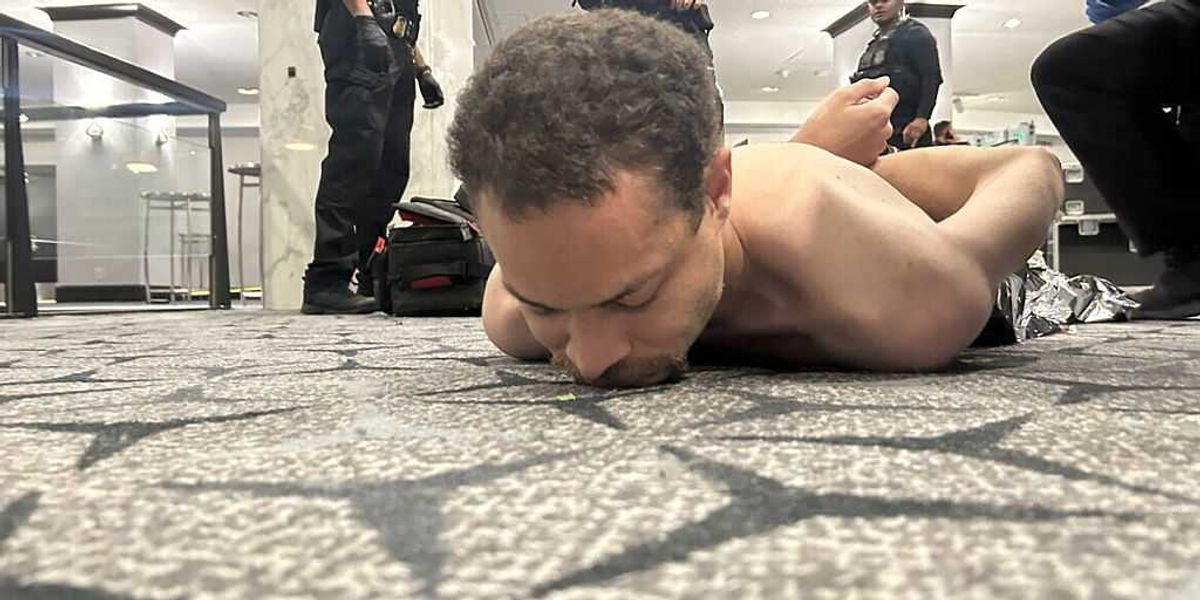
The White House Correspondents’ Association dinner was rocked when a gunman tried to force his way through security and opened fire, wounding a Secret Service agent. Authorities say the suspect, identified as 31-year-old Cole Tomas Allen, stayed at the Washington hotel where the event was held and was quickly arrested after agents returned fire. Early reports point to a manifesto and social posts that express anti-Trump and anti-Christian sentiment, raising questions about motive and political violence. The incident sent dignitaries, including the president, out of the room and reminded everyone that protecting public figures is a serious, ongoing challenge.
The scene in the Washington Hilton lobby turned chaotic in seconds as an armed man reportedly attempted to rush the dinner area and fired shots. Secret Service intercepted him; an agent took a bullet but managed to neutralize the threat and the suspect was taken into custody. Officials say the agent will recover, and no other guests were harmed, but the image of armed violence inside a hotel where leaders were gathered is chilling. This was a direct attack on an event meant to celebrate journalism and free speech.
Details emerging in the hours after the arrest suggest the suspect had written a manifesto that singled out President Donald Trump and administration officials as targets. Investigators are combing social accounts and writings that reportedly contained anti-Trump and anti-Christian rhetoric, trying to piece together whether this was an ideologically driven plot or the act of a deeply troubled individual. Either way, the fact that the writings mention specific political targets forces a national conversation about political violence. Those who value safety and order will want swift answers and firm action.
‘What was supposed to be a fun night at the WHCA dinner … was hijacked by a depraved crazy person.’
White House press secretary Karoline Leavitt made the gravity of the situation plain in her remarks, stressing that the suspect “sought to assassinate” the president and top officials, which would mark another disturbing attempt on a leader’s life. She laid blame squarely on the shooter and framed the event as a violent interruption of a public ceremony. “What was supposed to be a fun night at the WHCA dinner with President Trump delivering jokes and celebrating free speech was hijacked by a depraved crazy person who sought to assassinate the President and kill as many top Trump administration officials as possible,” Leavitt in a statement. The administration is calling for answers and for measures that prevent repeats of this kind of attack.
People at the dinner described a rapid, nerve-jangling evacuation as Secret Service personnel moved VIPs out of harm’s way. Those on stage and in the audience were ushered out with urgency and calm under pressure, a testament to training but also a reminder of the real dangers that public figures face. The president and first lady were reported safe, and witnesses praised the quick actions that kept the situation from becoming far worse. Everyone there will carry the memory of how quickly a social evening became a security crisis.
Investigators reportedly interviewed the suspect’s family and friends to build a picture of motive and planning, and learned that the man had bought multiple firearms before the incident. A sister’s comments about radical statements and a vague plan to “do something” have led probes to look at whether the suspect acted alone or was influenced by extremist groups. Authorities are cataloging purchases, communications, and movements in the days leading up to the shooting to establish chain of events. This is standard investigative work but it will be scrutinized closely because of the political implications.
Reports indicate the suspect had been involved in past protests and even made donations to national political figures, adding a political layer to an already troubling case. Whether that participation reflects genuine ideological membership or a patchwork of affiliations will be part of the inquiry, but political motives are hard to ignore when a manifesto names leaders. The presence of explicit anti-Christian language in the suspect’s writings is also being cited by officials as evidence of hateful intent. If confirmed, these details deepen the worry over politically driven violence in public life.
President Trump addressed the incident with blunt language about the writings and the attacker, calling the suspect “a sick guy” after officials disclosed the manifesto. “The guy is a sick guy, when you read his manifesto,” Trump . “He hates Christians, that’s one thing for sure. … He was a very troubled guy.” Those words underline a stark point: violence that targets leaders or believers cannot be normalized or excused as mere rhetoric. Strong leadership demands a strong response against those who move from words to weapons.
Law enforcement will be under pressure to move quickly from arrest to charging and then to trial, and the public will expect transparency at every step. The Secret Service and federal prosecutors will be expected to explain how the suspect acquired weapons and how he slipped his plans into motion despite heightened security around the president. Families of victims and the broader public deserve clear timelines and evidence as the case progresses. This incident will test investigative systems and the country’s tolerance for political extremism.
https://x.com/PressSec/status/2048411637690831288
Republican leaders and conservative commentators are framing the event as yet another sign that political violence is a problem and that it can come from any quarter of the spectrum. Calls for protecting speech and ensuring safe public spaces are rising on the right, paired with demands that authorities root out threats quickly. The administration has already said the dinner will be rescheduled, signaling that intimidation will not rewrite public life or civic rituals. That posture reflects a broader determination to keep democratic norms intact in the face of threats.
Questions now center on motive, opportunity, and prevention: what pushed this man to act, how did he assemble his equipment, and what gaps in security allowed him to get as close as he did. Authorities will piece together forensic evidence, digital records, and human intelligence to construct a full narrative and to deter copycats. Meanwhile, officials must balance openness about the investigation with the need to prevent misinformation from spreading. The country needs factual clarity more than partisan spin as it confronts a violent breach of a civic event.
