
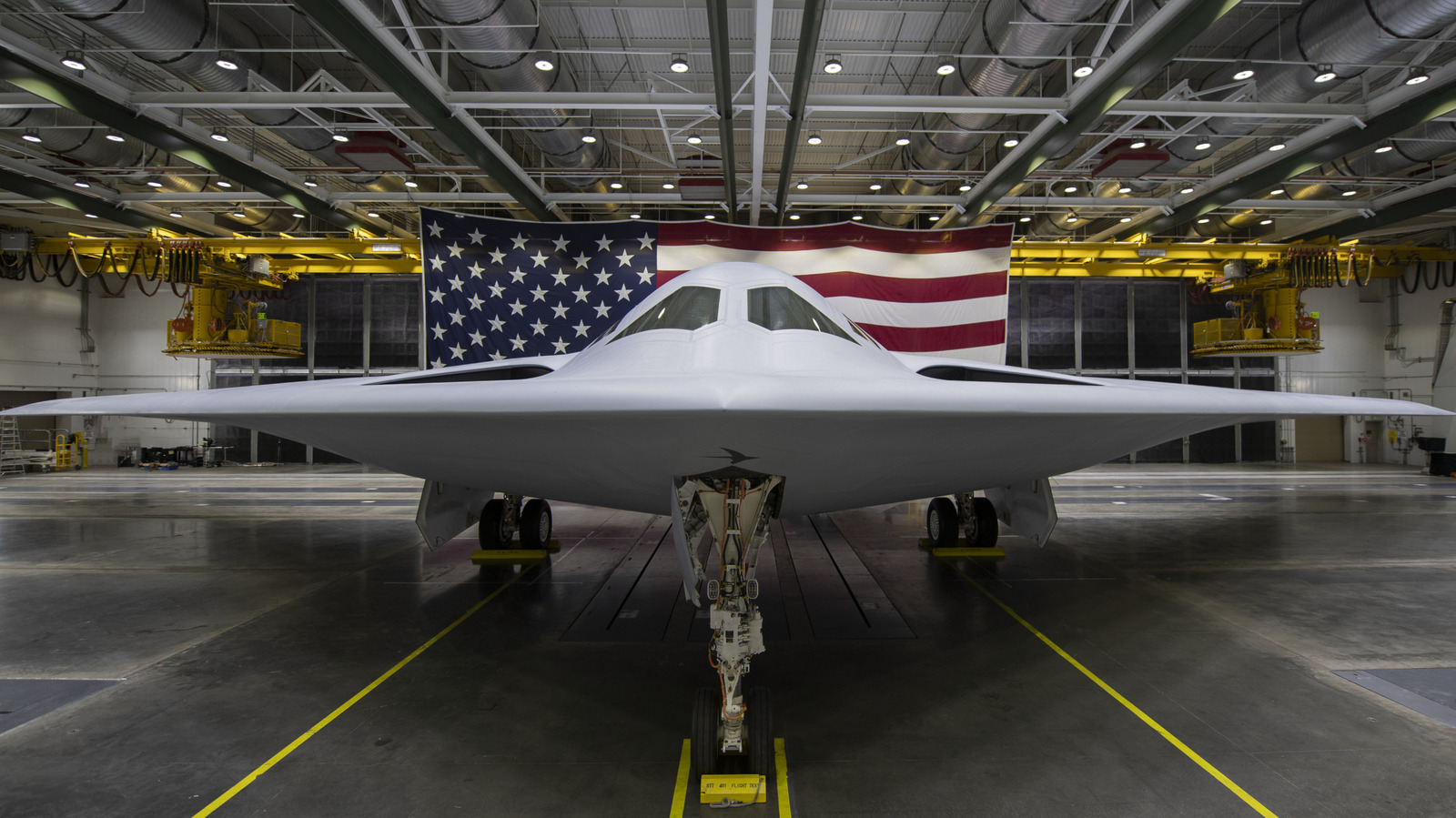
The B-21 Raider’s relatively compact size gives it practical advantages that matter in modern combat: better stealth, easier basing, lower sustainment burden, and tactical flexibility. This article explores how a smaller footprint shapes survivability, deployment options, logistics, mission design, and long-term affordability for the U.S. Air Force. Read on for a clear look at why size matters for a next-generation stealth bomber and where tradeoffs show up in payload and mission planning.
Smaller airframes inherently cut down signature. A reduced physical profile makes it easier to manage radar cross-section with fewer surface area complexities, and that translates directly into lower detectability against sophisticated sensors. Less surface means fewer seams and edges to hide, so stealth coatings and shaping do more with less.
Compact dimensions also change where the aircraft can operate from. A smaller bomber can squeeze into existing hangars, use shorter taxiways, and fit on dispersed runways that larger strategic bombers cannot. That opens options for theater commanders to base these aircraft farther forward or in more numerous locations, complicating an adversary’s targeting calculus.
Logistics and maintenance improve when aircraft are less bulky. Fewer structural panels, smaller replacement parts, and reduced surface area for coatings all mean faster turnarounds and lower sustainment labor per sortie. Those gains pile up across a fleet and directly affect sortie generation rates and long-term operational costs.
Production and lifecycle costs are also influenced by size. A smaller design can be more material- and labor-efficient to manufacture, which helps control acquisition expense when building a fleet. Controlling cost without sacrificing capability is central to fielding enough airframes to create credible deterrence through numbers.
There are tradeoffs in payload and growth margin. A more compact internal bay limits how many large munitions can fit inside while preserving stealth, so mission planners lean more on precision standoff weapons and mixed carrier strategies. That pushes planners to emphasize networked targeting, long-range missiles, and allied integration to accomplish big strikes with smaller internal loadouts.
Smaller platforms often demand smarter sensors and datalinks rather than brute-force payload capacity. The B-21’s value multiplies when it operates as a node in a distributed kill chain, feeding targets to standoff weapons and allied platforms. That network-centric approach turns limited internal carriage into a force multiplier through coordination and information sharing.
Mobility and dispersal create operational unpredictability. A fleet of smaller bombers that can use more runways and airfields complicates an adversary’s plans to neutralize strike capability early in a conflict. Dispersed basing, combined with rapid turnarounds, increases resiliency and makes preemptive targeting far harder to execute successfully.
Smaller size also affects peacetime posture and diplomacy. The ability to operate from allied fields with less logistical footprint eases cooperation and rotational deployments without imposing heavy infrastructure demands. That can expand deterrence options and make training and interoperability more seamless during joint operations.
Designers can also bake in modularity more cleanly on a smaller platform. An efficient structure and modern open-systems architecture allow upgrades to sensors, software, and mission systems without bulk redesigns. That futureproofing matters for a bomber expected to evolve across decades of emerging threats and changing munitions.
Finally, smaller does not mean fragile; it means optimized. When stealth, sustainment, basing flexibility, and networked tactics are considered together, a compact bomber becomes a more survivable and cost-effective tool in strategic competition. The key is balancing internal payload with external partnerships, sensors, and standoff lethality to turn a modest physical footprint into a strategic advantage.
